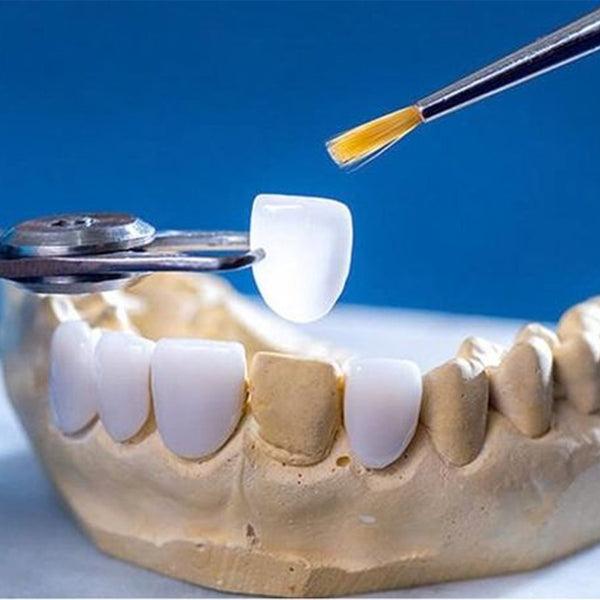

For cosmetic dental clinics, veneers are highly visible restorations. A small issue in shade, shape, margin, or texture can affect the final smile design and patient satisfaction.
That is why choosing a reliable veneers dental restoration lab is not only about finding a supplier. It is about finding a technical partner that understands aesthetic dentistry, digital case design, ceramic materials, and clinical communication.
A good veneer restoration lab helps clinics reduce chairside adjustments, manage patient expectations, and deliver consistent cosmetic outcomes. For clinics handling single anterior veneers, multi-unit smile makeovers, or diagnostic wax-up cases, lab quality directly affects both treatment efficiency and patient trust.
At Digilabo Dental Laboratory, veneer restorations are supported by digital workflows, CAD design, material selection, ceramic finishing, and quality control for global dental clinics and lab partners.
What Is a Veneers Dental Restoration Lab?
A veneers dental restoration lab is a dental laboratory that designs and fabricates custom veneers for cosmetic and restorative dental cases.
Unlike general restoration work, veneer cases require strong attention to aesthetics. The lab must consider:
- Tooth shape
- Smile line
- Incisal translucency
- Surface texture
- Shade matching
- Margin adaptation
- Contact points
- Ceramic thickness
- Preparation design
- Patient expectations
The final veneer should not look artificial or bulky. It should blend naturally with the patient’s existing teeth while maintaining proper function and fit.
A professional veneer dental lab usually supports both final veneer restorations and planning tools such as diagnostic wax-ups. You can review Digilabo’s veneer-related product categories on the Products page.
Common Cases Handled by a Veneer Restoration Lab
Veneer restorations are used in many cosmetic dental situations.
| Case Type | Lab Focus | Clinic Benefit |
|---|---|---|
| Single anterior veneer | Shade and texture matching | Better integration with natural teeth |
| 6-unit smile design | Symmetry and tooth proportion | More predictable cosmetic result |
| 8-unit or 10-unit veneer case | Full smile harmony | Better treatment planning |
| Minimal-prep veneers | Thickness and translucency control | Conservative aesthetic restoration |
| Dark stump shade cases | Opacity and ceramic selection | Reduced risk of gray final shade |
| Replacement veneers | Matching or redesigning old restorations | Improved aesthetics and function |
| Diagnostic wax-ups | Smile preview and planning | Easier patient communication |
For clinics, these cases require more than simple production. They require a lab that understands how clinical information becomes a final restoration.
Key Workflow of Veneer Dental Restoration
A reliable veneers dental restoration lab should have a clear and repeatable workflow.
1. Case Submission
The clinic sends the required case information, such as:
- STL or PLY digital scan files
- Bite record
- Preparation margin
- Digital prescription
- Shade photos
- Smile photos
- Stump shade when needed
- Material preference
- Number of veneer units
- Special design notes
Clear information at the beginning helps avoid remake risk later.
Digilabo’s Service and FAQ page explains the digital workflow from file upload and prescription to design validation, production, finishing, QC, and shipping.
2. Case Evaluation
Before design, the lab checks whether the case is suitable for veneer restoration.
Important questions include:
- Are the margins visible?
- Is there enough reduction for the chosen material?
- Is the bite record accurate?
- Is the shade information clear?
- Are the photos useful for aesthetic design?
- Are there any occlusal risks?
- Does the case require diagnostic wax-up first?
This step is important because many veneer problems begin with incomplete case information.
3. Digital Design
The CAD team designs the veneer based on the digital scan and prescription.
For veneer restoration, design should consider:
- Tooth length
- Width-to-height ratio
- Midline
- Incisal edge position
- Emergence profile
- Line angle
- Surface contour
- Contact strength
- Margin fit
For multi-unit cases, the design must also maintain symmetry and smile harmony.
4. Material Selection
Different veneer cases need different materials.
| Material Option | Features | Best For |
| E.max / lithium disilicate | Natural translucency and strong aesthetic performance | Cosmetic veneers and anterior cases |
| Layered ceramic | High customization for shade and texture | Complex aesthetic cases |
| Zirconia-based options | Higher strength, less translucency | Cases needing additional strength |
| Diagnostic wax-up | Visual planning tool | Smile design preview before final restoration |
Material choice should depend on preparation thickness, stump shade, desired translucency, and clinical requirements.
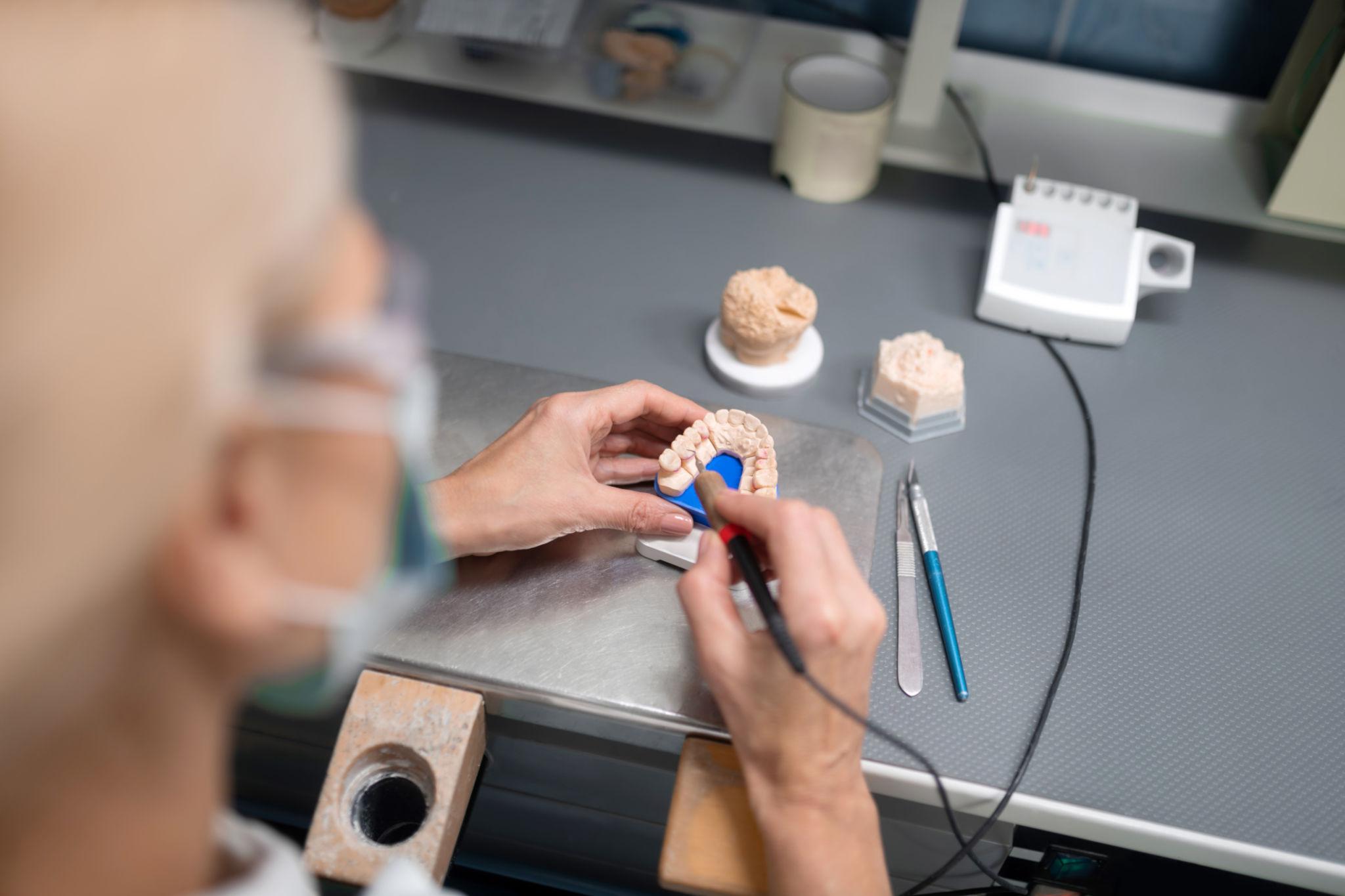
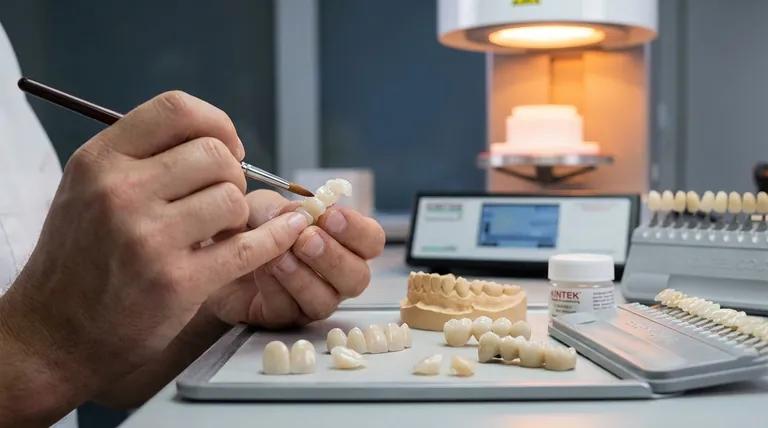
5. Ceramic Finishing and Surface Texture
After milling or pressing, the veneer still needs careful finishing.
This may include:
- Stain and glaze
- Surface texture creation
- Incisal characterization
- Shape refinement
- Polishing
- Final shade adjustment
A natural veneer is not just white. It should reflect light in a way that matches natural enamel.
6. Quality Control Before Shipping
Before delivery, the lab should check:
- Marginal fit
- Contact points
- Occlusion
- Surface finish
- Shade consistency
- Case details
- Final appearance
QC photos can help clinics confirm the case before shipment.
What Dental Clinics Should Check Before Choosing a Veneer Lab
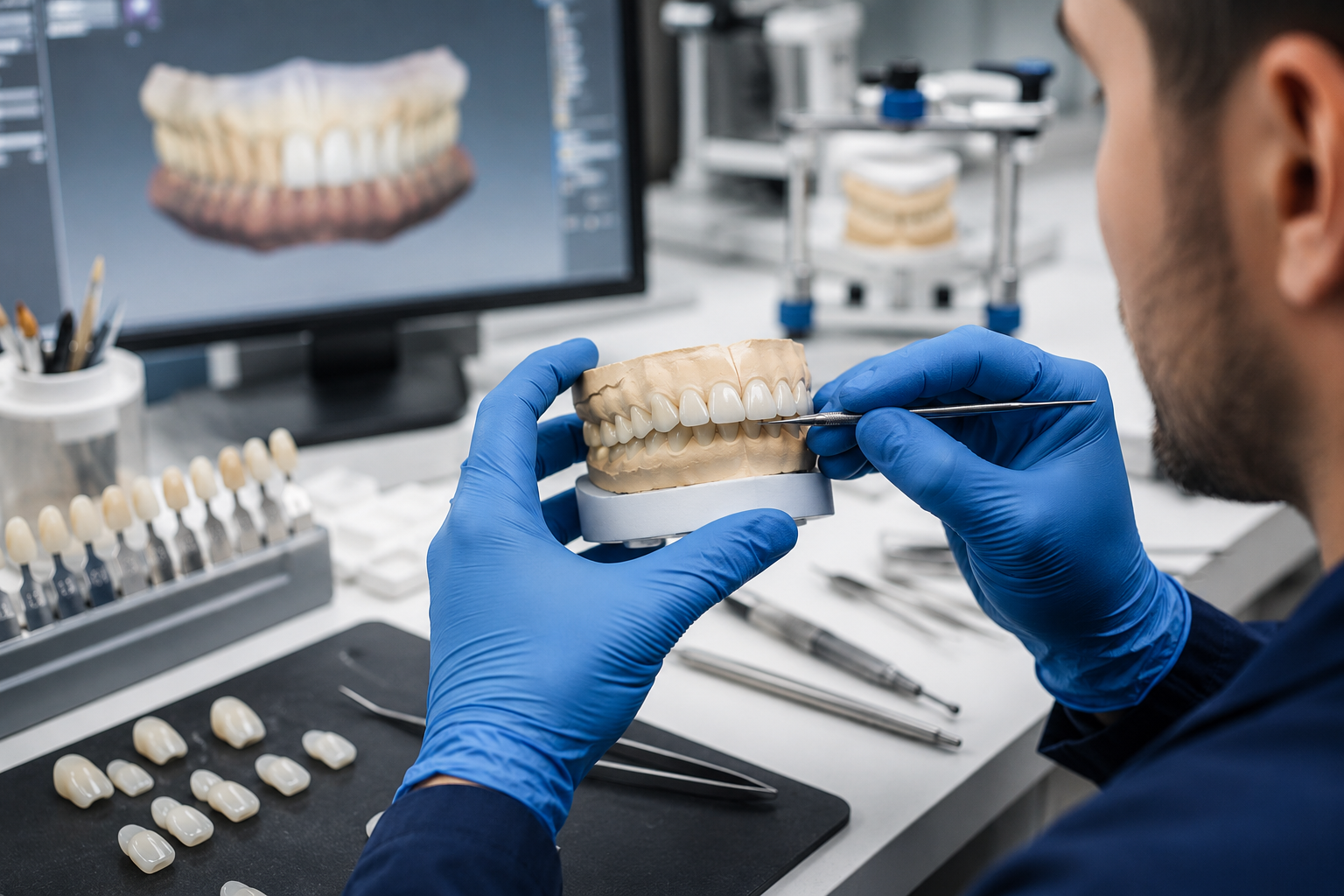
Not every dental lab is suitable for veneer cases. Before choosing a partner, clinics should evaluate several practical points.
1. Does the Lab Understand Aesthetic Dentistry?
Veneer restoration requires more than production capacity. The lab should understand facial aesthetics, smile design, translucency, and natural tooth morphology.
2. Can the Lab Handle Digital Files?
A modern veneers dental restoration lab should support STL/PLY file upload, digital prescriptions, scan-based design, and CAD/CAM workflows.
3. Does the Lab Offer Diagnostic Wax-Ups?
Diagnostic wax-ups help dentists preview the final result and communicate better with patients before treatment begins.
4. Is Shade Communication Clear?
Good shade matching depends on photos, shade tabs, stump shade, lighting, and communication. The lab should provide a clear process for shade information.
5. Is the QC Process Reliable?
Clinics should ask how the lab checks margins, seating, contact, occlusion, shade, and finishing before shipping.
6. Is the Lab Suitable for Long-Term Cooperation?
A long-term lab partner learns the clinic’s preferences, such as tooth shape, contact strength, material choice, and communication habits.
You can learn more about Digilabo’s background, production capacity, and lab capabilities through the About Us page.
Why Digital Workflow Improves Veneer Restoration
Digital workflow can make veneer restoration more efficient and predictable.
Compared with traditional communication, digital workflow allows the lab to:
- Review margins more clearly
- Check occlusion digitally
- Design restorations with CAD software
- Share 3D previews when needed
- Store files for future remake or reference
- Reduce manual communication errors
- Support faster case review
However, digital technology alone is not enough. The best veneer results still depend on experienced technicians, ceramic finishing skills, and clear case communication.
This is why clinics should choose a lab that combines digital systems with real dental restoration experience.
Digilabo’s Support for Veneer Restoration Cases
Digilabo provides dental lab services for global dental clinics, including veneers, diagnostic wax-ups, crown and bridge, implant restorations, removables, and orthodontic appliances.
For veneer restoration cases, Digilabo can support clinics with:
- Digital case submission
- STL/PLY file workflow
- CAD design support
- E.max veneer fabrication
- Diagnostic wax-ups
- Custom shade communication
- Ceramic finishing
- Stain and glaze
- QC inspection
- International shipping
For clinics that need more than veneers, Digilabo also provides a wider range of dental restorations. You can explore all product categories on the Products page or read more dental lab insights on the Blog page.
Veneer Restoration Lab Quality Checklist
Before sending a case to a veneer lab, clinics can use this checklist.
| Checklist Item | Why It Matters |
| Clear digital scan | Helps improve margin and fit accuracy |
| Complete prescription | Reduces design misunderstanding |
| Bite record | Supports proper occlusion |
| Smile photos | Helps with aesthetic design |
| Shade tab photos | Improves color matching |
| Stump shade | Important for dark underlying teeth |
| Material choice | Affects translucency and strength |
| Diagnostic wax-up | Helps patient communication |
| QC confirmation | Reduces uncertainty before delivery |
| Shipping support | Helps clinics plan appointments |
This checklist is especially useful for cosmetic clinics handling repeat veneer cases.
Common Problems When Choosing the Wrong Veneer Lab
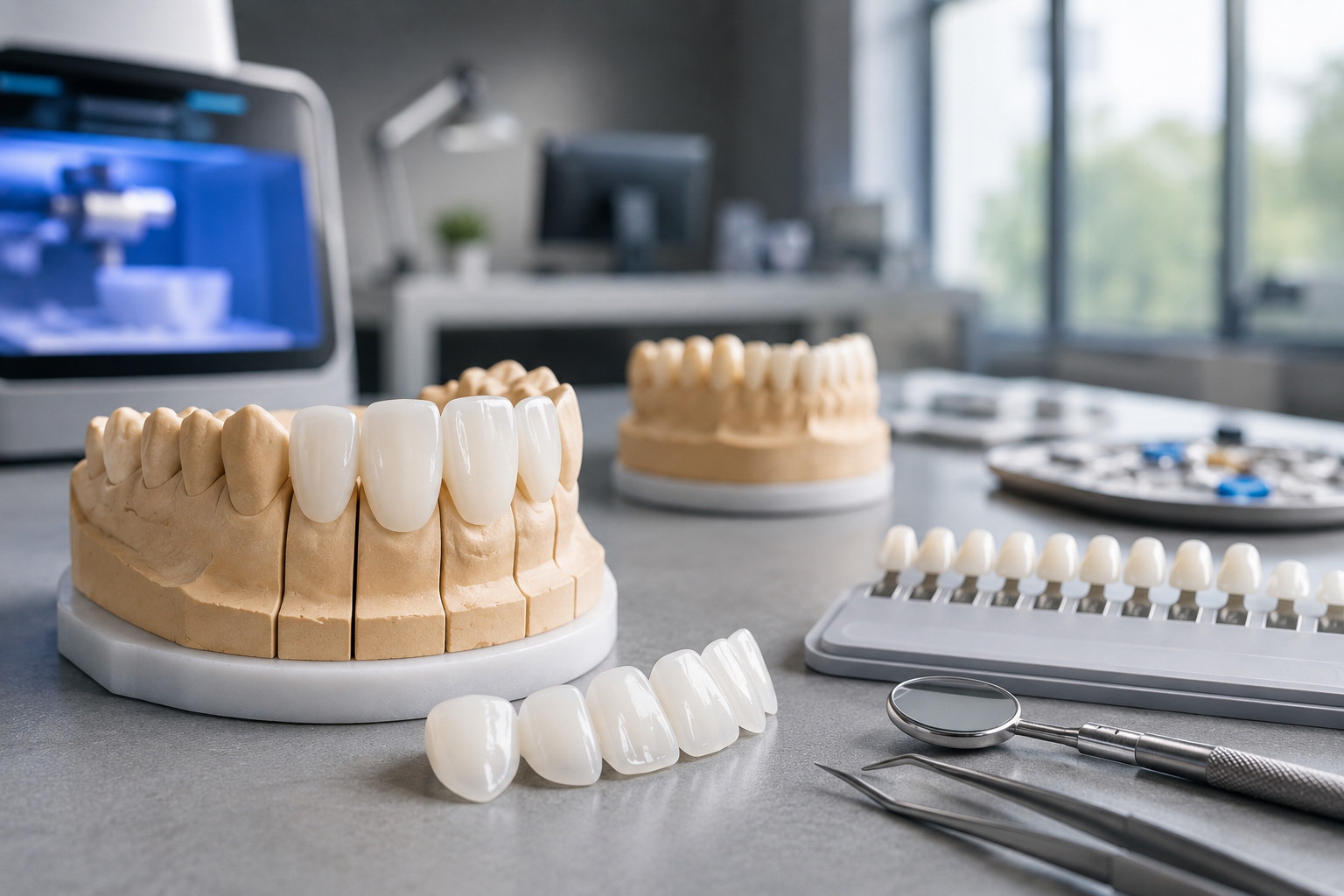
Choosing a low-quality or poorly matched lab can create problems such as:
- Veneers appear too opaque or too bright
- Margins do not seat properly
- Contact points are too tight or too open
- Surface texture looks artificial
- Shade does not match the patient’s natural teeth
- Multi-unit veneers lack symmetry
- The clinic spends too much time adjusting
- Remake communication becomes difficult
- Delivery time is unstable
These issues can affect both clinical efficiency and patient satisfaction. That is why a reliable veneers dental restoration lab should be judged by consistency, communication, and case understanding, not only by price.
FAQ About Veneers Dental Restoration Lab
1. What does a veneers dental restoration lab do?
A veneers dental restoration lab designs and fabricates custom veneers for cosmetic and restorative dental cases. The work may include digital design, material selection, ceramic processing, finishing, and quality control.
2. What information should a clinic send for veneer restoration?
Clinics should send digital scan files, bite record, prescription, shade photos, smile photos, stump shade if needed, material preference, and design notes.
3. What material is commonly used for cosmetic veneers?
E.max or lithium disilicate is commonly used because it offers natural translucency and good aesthetic performance. The best material depends on case requirements.
4. Why are diagnostic wax-ups useful?
Diagnostic wax-ups help dentists preview the final smile design, communicate with patients, and plan veneer cases more clearly before final restoration.
5. Can veneers be made from digital scans?
Yes. Many veneer cases can be fabricated from STL/PLY files or intraoral scan data through a digital dental lab workflow.
6. How can clinics improve shade matching?
Clinics should provide high-quality shade tab photos, smile photos, stump shade information, and notes about the desired final result.
7. How do I choose a reliable veneer dental lab?
Choose a lab that understands cosmetic dentistry, supports digital workflows, offers suitable ceramic materials, provides clear QC, and communicates well during case planning.
8. Does Digilabo support veneer restoration cases?
Yes. Digilabo supports veneer restoration cases, diagnostic wax-ups, digital design, ceramic finishing, QC, and international dental lab services for clinics and lab partners.
9. Where can I view Digilabo’s veneer and dental restoration products?
You can visit the Digilabo Products page to explore veneers, crown and bridge, implant restorations, removables, and orthodontic appliances.
10. How can clinics start working with Digilabo?
Clinics can visit Digilabo Dental Laboratory, learn more on the About Us page, review the Service and FAQ page, or contact the team through the website.
Conclusion
A reliable veneers dental restoration lab plays an important role in cosmetic dentistry. The right lab helps clinics manage shade, shape, margins, fit, ceramic texture, and case communication with more confidence.
For clinics that want predictable veneer restorations, the best partner is not only a manufacturer. It is a dental lab that understands digital workflow, aesthetic design, material selection, and real clinical needs.
Digilabo supports global dental clinics with veneer restorations, diagnostic wax-ups, and broader digital dental lab services. If your clinic needs consistent veneer restoration support, Digilabo can help you build a more efficient and reliable lab workflow.