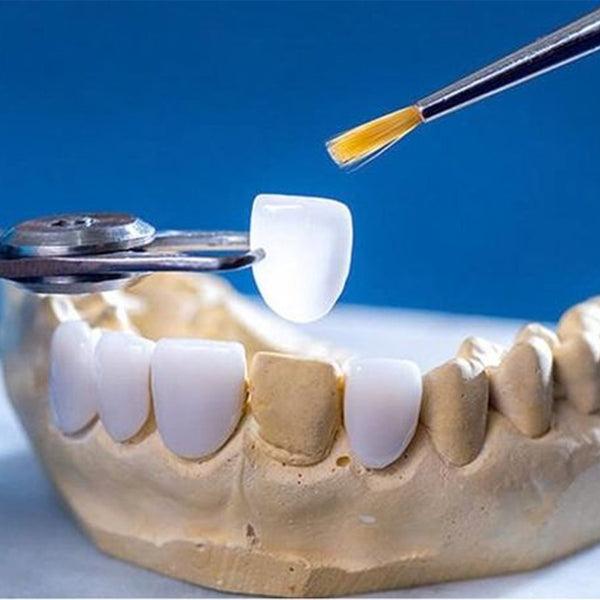

For cosmetic dental clinics, veneers are not just restorative products. They are part of smile design, patient communication, shade control, and long-term treatment satisfaction.
A successful veneer case depends on several details: preparation design, digital impression accuracy, ceramic material selection, margin adaptation, translucency, texture, and final shade matching. If one step is inconsistent, the clinic may face more chairside adjustments, remake risk, or patient dissatisfaction.
That is why choosing the right partner for veneers dental fabrication is important. A reliable dental lab should not only produce veneers. It should help dentists manage digital files, evaluate case requirements, design natural-looking restorations, and deliver consistent results for both single veneers and multi-unit cosmetic cases.
At Digilabo Dental Laboratory, veneer fabrication is part of a broader digital dental lab workflow that supports global dental clinics with crown and bridge, veneers, implant restorations, removables, and orthodontic appliances.
What Is Veneers Dental Fabrication?
Veneers dental fabrication is the process of designing and producing thin restorations that cover the front surface of teeth to improve shape, color, alignment appearance, and smile harmony.
In most cosmetic cases, veneers are used to address:
- Discolored teeth
- Minor spacing issues
- Worn incisal edges
- Small shape irregularities
- Mild alignment appearance concerns
- Smile design improvements
- Anterior aesthetic restorations
For dental clinics, the goal is not only to receive a veneer that “looks white.” The real goal is a veneer that fits the preparation, blends with surrounding teeth, follows the patient’s facial aesthetics, and supports predictable seating.
A professional veneer dental lab should understand both function and beauty. The restoration must be thin, natural, and aesthetic, but it still needs proper margin control, contact design, surface texture, and occlusal consideration.
Who Needs a Veneer Dental Lab?
Veneer fabrication is mainly suitable for clinics and professionals who handle aesthetic dental cases.
| Buyer Type | Main Need | Best-Fit Veneer Service |
|---|---|---|
| Cosmetic dental clinics | Natural smile design and shade control | E.max veneers, layered ceramic veneers |
| General dental clinics | Reliable outsourcing for aesthetic cases | Digital veneer fabrication |
| Prosthodontists | Accurate margins and functional design | Custom veneer restorations |
| Dental lab partners | Extra production support | Veneer outsourcing service |
| Clinics with intraoral scanners | Digital file-based workflow | STL/PLY scan upload and CAD design |
| Smile design clinics | Preview and planning support | Diagnostic wax-ups and veneer cases |
For clinics that want to improve aesthetic case acceptance, diagnostic wax-ups can also help show patients the possible final result before treatment begins. You can explore the veneer-related product categories through the Digilabo products page.
Key Steps in the Veneers Dental Fabrication Workflow
A predictable veneer workflow should be clear, repeatable, and easy for the clinic to follow.
1. Case Submission and Digital File Upload
The process usually starts when the clinic sends digital impressions, STL/PLY files, scan codes, photos, shade information, and prescription details.
Important case information includes:
- Upper and lower scan files
- Bite record
- Preparation margin
- Shade tab photos
- Stump shade when needed
- Smile photos
- Midline and facial reference
- Material preference
- Number of veneer units
- Special requests for shape or translucency
A digital workflow helps reduce communication errors. Instead of relying only on physical models, the lab can review scans, margins, occlusion, and design requirements before production.
Digilabo’s service page explains a 3-step workflow: upload and prescription, design and validation, then milling, finishing, and shipping.
2. Case Evaluation Before Design
Before production begins, the lab should check whether the case is suitable for veneer fabrication.
Key checks include:
- Is the preparation reduction enough for the chosen material?
- Are margins clearly visible?
- Is the bite record stable?
- Are photos sufficient for shade matching?
- Is there enough space for ceramic strength?
- Are contacts and occlusion clearly defined?
- Is the case single-unit or multi-unit smile design?
This step is important because many veneer problems begin before milling or ceramic layering. If the digital file, preparation, or shade information is unclear, the final restoration may require more adjustments.
3. CAD Design and 3D Preview
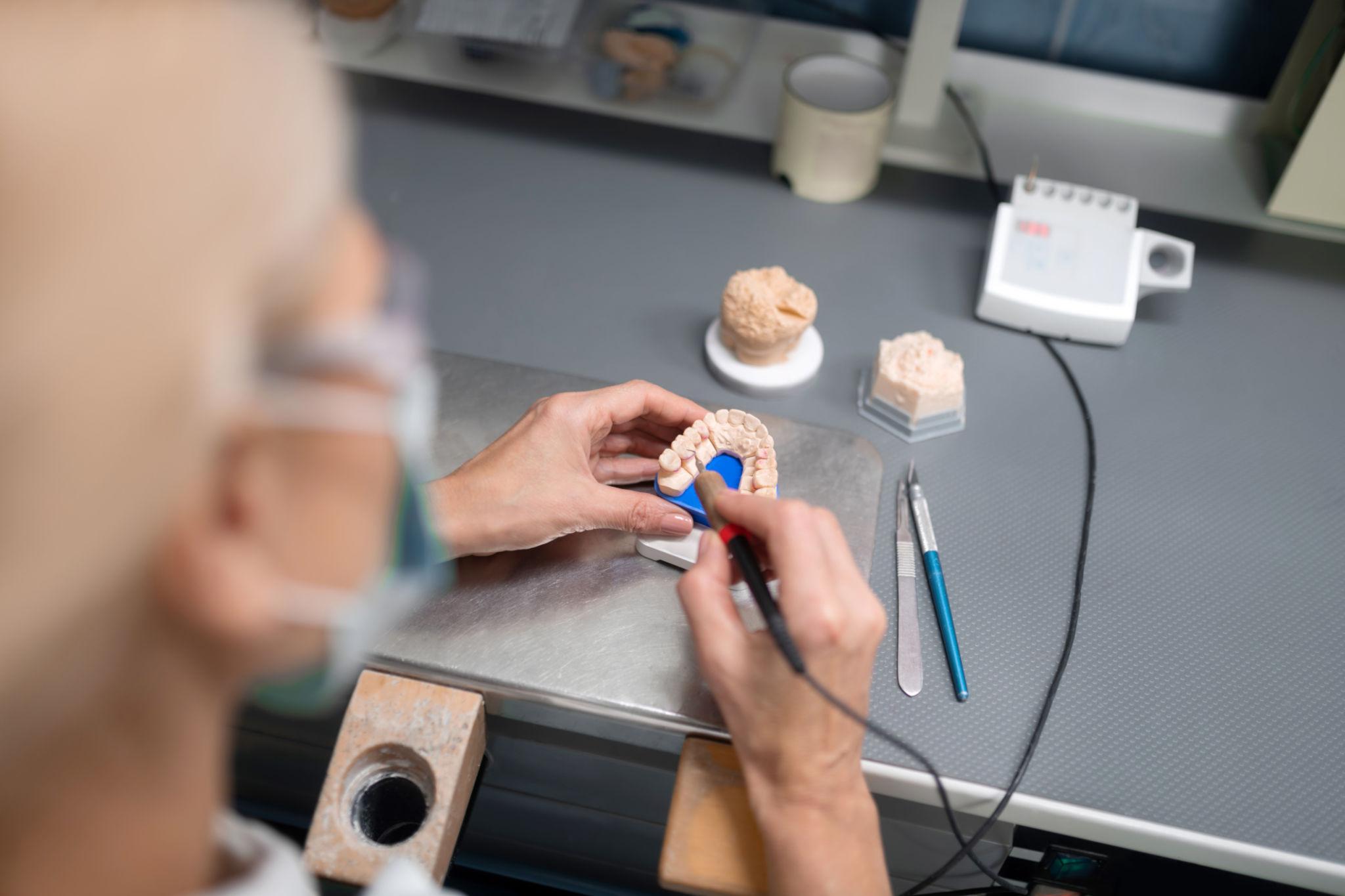
After case evaluation, the CAD team designs the veneer based on the prescription and digital scan.
A good veneer design should consider:
- Tooth proportion
- Emergence profile
- Incisal edge position
- Surface texture
- Contact strength
- Margin adaptation
- Symmetry between anterior teeth
- Smile line and facial harmony
For multi-unit veneer cases, consistency is especially important. The central incisors, laterals, and canines should not look like separate products. They should work together as one natural smile design.
A 3D preview can help clinics review the design before production. This is useful for reducing misunderstandings and improving confidence before milling or pressing.
4. Material Selection for Veneers
Material selection affects translucency, strength, thickness, and final aesthetics.
| Veneer Material | Main Features | Best For |
| E.max / lithium disilicate | Good translucency, strong aesthetic performance | Anterior veneers and cosmetic smile design |
| Layered ceramic | High aesthetic customization | Complex shade and texture cases |
| Zirconia-based veneer solutions | Higher strength, less translucency than glass ceramics | Cases requiring more strength |
| Diagnostic wax-up | Visual planning, not final restoration | Treatment planning and patient communication |
For many cosmetic clinics, E.max veneers are a common choice because they provide a good balance between strength and natural translucency. However, the final decision should depend on case design, preparation thickness, shade requirement, and dentist preference.
What Makes High-Quality Veneer Fabrication Different?
Not all veneer restorations are equal. A high-quality veneer case usually depends on small details that are easy to overlook.
Accurate Margins
Margins must be clear, smooth, and accurately adapted. Poor margin control can lead to seating problems, open margins, or more chairside finishing.
Natural Translucency
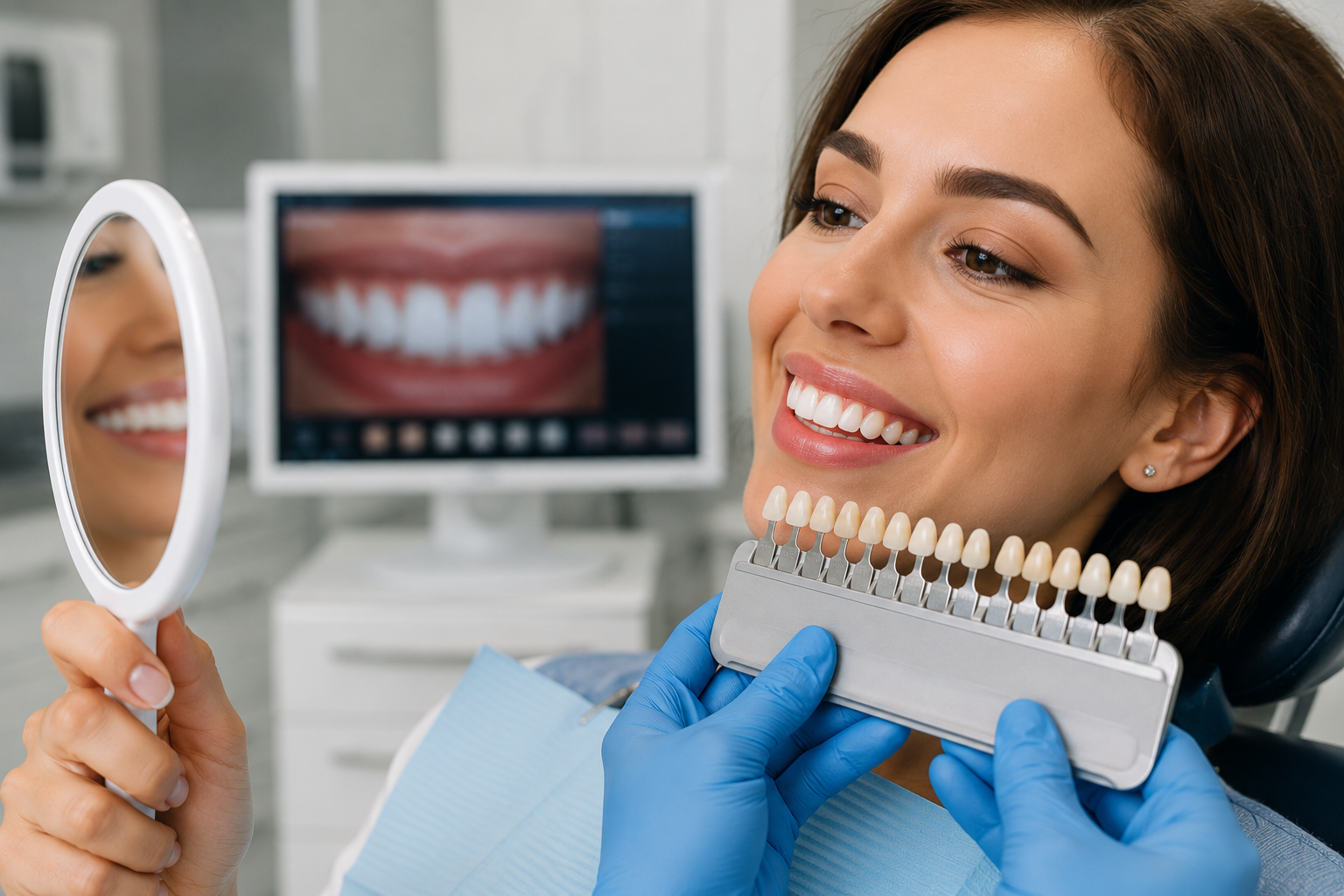
Veneers should not look flat or overly opaque. The lab must consider incisal translucency, value, chroma, and the relationship between ceramic thickness and the underlying tooth shade.
Surface Texture
Natural teeth are not perfectly flat. Subtle line angles, microtexture, and light reflection can make veneers look more realistic.
Contact and Occlusion
A veneer should not only look good on the model. It must also function in the mouth. Proper contact strength and occlusal design help reduce adjustment time.
Consistent Shade Matching
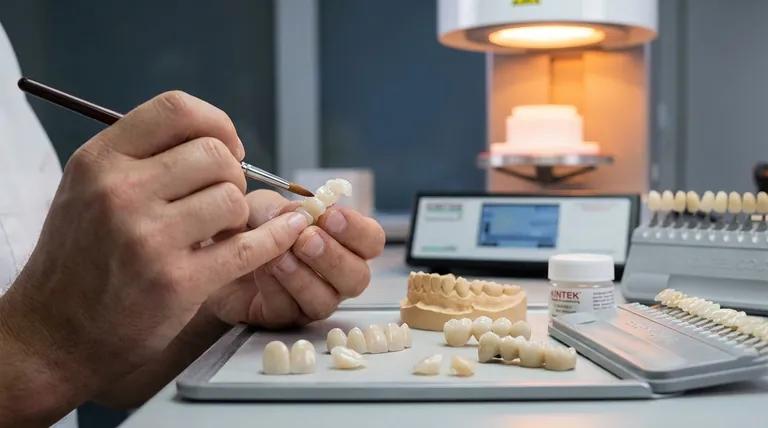
Shade matching should be based on high-quality photos, shade tabs, stump shade when needed, and clear communication between the clinic and lab.
Final QC Before Shipment
Before shipping, the lab should check fit, margin, surface finish, shade, and case details. QC photos can give clinics more confidence before the restoration arrives.
Digital Veneers Fabrication vs. Traditional Workflow
| Workflow Point | Digital Veneer Fabrication | Traditional Veneer Workflow |
| Case submission | STL/PLY scan files and digital Rx | Physical impressions and paper prescription |
| Design review | CAD preview possible | Limited visual review before fabrication |
| Margin checking | Digital inspection available | Manual model evaluation |
| Communication | Faster file-based communication | More dependent on shipping and manual notes |
| Remake support | Digital file can be stored | More time needed to recreate case |
| Best for | Clinics using intraoral scanners and repeat lab cases | Clinics relying on physical impressions |
Digital veneer fabrication does not remove the need for skilled technicians. Instead, it gives technicians better tools to check, design, and communicate. The best results come from combining digital accuracy with experienced ceramic finishing.
How Digilabo Supports Veneers Dental Fabrication
Digilabo focuses on digital dental lab services for global clinics and lab partners. For veneer cases, the value is not only the final ceramic restoration, but the full workflow behind it.
Through Digilabo’s dental laboratory services, clinics can submit digital files, review design details, and work with a production process that includes CAD design, milling, finishing, and QC.
Digilabo’s veneer-related support may include:
- E.max veneers
- Diagnostic wax-ups
- Aesthetic restorations
- Digital scan-based case review
- CAD design and 3D preview
- Custom shade mapping
- Stain and glaze finishing
- QC photos before shipment
- International shipping support
For clinics comparing dental lab options, the About Us page provides more background on Digilabo’s production capacity, technician team, equipment, and material standards.
Common Veneer Case Scenarios
Single Anterior Veneer
A single veneer is often more challenging than a full set because it must match natural neighboring teeth. The lab needs accurate photos, shade tabs, and surface texture references.
6-Unit or 8-Unit Smile Design
Multi-unit veneer cases require symmetry, proportion, and consistent color. Diagnostic wax-ups and digital design review can help dentists communicate the final plan with patients.
Minimal-Prep Veneer Cases
Minimal-prep cases require careful thickness control. The lab must balance strength, opacity, and natural translucency without overbuilding the restoration.
Dark Stump Shade Cases
If the underlying tooth is dark, the veneer material and ceramic opacity must be selected carefully. Photos and stump shade information are important for avoiding a gray or mismatched result.
Veneer Remake or Replacement
When replacing old veneers, the clinic should provide photos of the previous restoration, current tooth condition, bite record, and patient expectations.
How to Choose a Reliable Veneer Dental Lab
Before choosing a partner for veneers dental fabrication, dental clinics should evaluate more than price.
1. Does the Lab Understand Cosmetic Cases?
Veneers are highly aesthetic restorations. The lab should understand smile design, anterior tooth morphology, translucency, and patient expectations.
2. Can the Lab Work With Digital Files?
A modern veneer dental lab should support STL/PLY files, scan codes, digital prescriptions, and CAD design review.
3. Does the Lab Offer Material Options?
Different veneer cases require different materials. A reliable lab should help clinics choose suitable options based on strength, thickness, opacity, and aesthetic goals.
4. Is the QC Process Clear?
Ask how the lab checks margin, fit, contacts, occlusion, surface finish, and shade before shipment.
5. Can the Lab Support Long-Term Cooperation?
For clinics handling frequent aesthetic cases, consistency matters. The lab should be able to store digital case information, communicate clearly, and support future remakes or adjustments.
6. Is Communication Fast and Practical?
Veneer cases often require details. A good lab should respond quickly to design questions, shade concerns, and case changes.
Veneers Dental Fabrication Quality Checklist
Dental clinics can use this checklist before sending a veneer case to the lab.
| Checklist Item | Why It Matters |
| Clear STL/PLY scan | Helps the lab evaluate margins and fit |
| High-resolution smile photos | Supports shape and aesthetic design |
| Shade tab photos | Improves shade communication |
| Stump shade information | Important for dark underlying teeth |
| Bite record | Helps control occlusion |
| Number of units | Affects symmetry and design planning |
| Material preference | Guides translucency and strength |
| Patient expectation notes | Helps avoid mismatch between design and desired outcome |
| Approval process | Reduces production misunderstandings |
| QC photo request | Gives confidence before shipping |
Why Veneer Fabrication Should Be Part of a Long-Term Lab Strategy
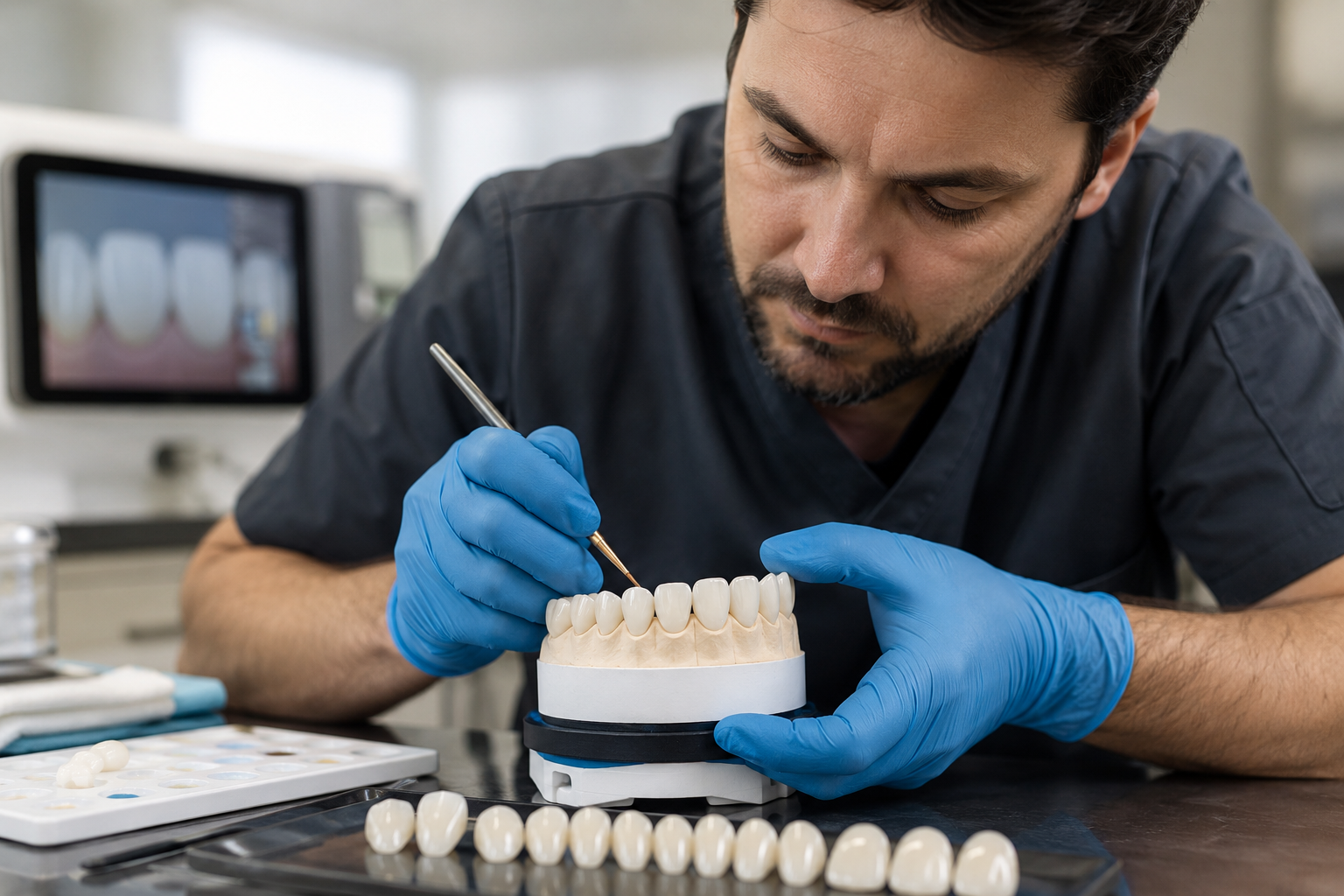
For dental clinics, outsourcing veneer fabrication should not be treated as a one-time purchase. Cosmetic cases depend heavily on trust between the dentist and the lab.
A long-term lab partner learns your preferences, including:
- Preferred tooth shape
- Contact strength preference
- Occlusion adjustment style
- Shade communication habits
- Material choices
- Turnaround requirements
- Patient profile and aesthetic expectations
This reduces repeated explanations and improves consistency over time.
If your clinic also handles crowns, implant restorations, removable dentures, or orthodontic appliances, working with one full-service dental lab can make case management easier. You can review more related product categories on the Digilabo products page or read more dental lab insights on the Digilabo blog.
FAQ About Veneers Dental Fabrication
1. What is veneers dental fabrication?
Veneers dental fabrication is the process of designing and producing thin restorations for the front surface of teeth. It usually involves digital scans, material selection, CAD design, ceramic processing, finishing, and quality control.
2. What files should a clinic send for veneer fabrication?
Clinics should send STL/PLY files or scan codes, digital prescription, bite record, shade photos, stump shade if needed, smile photos, and any special design notes.
3. Which material is commonly used for veneers?
E.max or lithium disilicate is commonly used for aesthetic veneer cases because it offers natural translucency and good strength. The final choice depends on preparation, shade, and dentist preference.
4. How can clinics improve veneer shade matching?
Clinics should provide high-resolution photos with shade tabs, stump shade information, natural light images when possible, and clear notes about patient expectations.
5. Why do veneer margins matter?
Accurate margins help the veneer seat properly and reduce the risk of open margins, adjustment issues, or remake requests.
6. Can veneers be made from digital scans?
Yes. Digital veneer fabrication can begin with intraoral scans, STL/PLY files, or scan codes. The lab can then design and produce the case through a CAD/CAM workflow.
7. What is the difference between veneers and diagnostic wax-ups?
Veneers are final restorations, while diagnostic wax-ups are planning tools that help dentists and patients preview the potential final smile design before treatment.
8. How do I choose a veneer dental lab?
Choose a lab that supports digital files, understands aesthetic design, offers suitable ceramic materials, provides clear QC, and communicates well before and after production.
9. Does Digilabo provide veneer-related dental lab services?
Yes. Digilabo provides veneer-related products and aesthetic dental lab services, including E.max veneers, diagnostic wax-ups, digital design support, and custom shade communication.
10. Where can I learn more about Digilabo’s dental lab services?
You can visit Digilabo Dental Laboratory, review the About Us page, explore Products, or check the Service and FAQ page.
Conclusion
High-quality veneers dental fabrication depends on more than ceramic material. It requires accurate digital files, clear case communication, skilled CAD design, natural shade matching, careful finishing, and strict quality control.
For dental clinics, the right veneer dental lab can help improve case predictability, reduce chairside adjustments, and support better patient satisfaction in cosmetic dentistry.
If your clinic needs veneer fabrication, diagnostic wax-ups, or broader digital dental lab support, Digilabo can help you manage aesthetic restoration cases through a structured digital workflow.