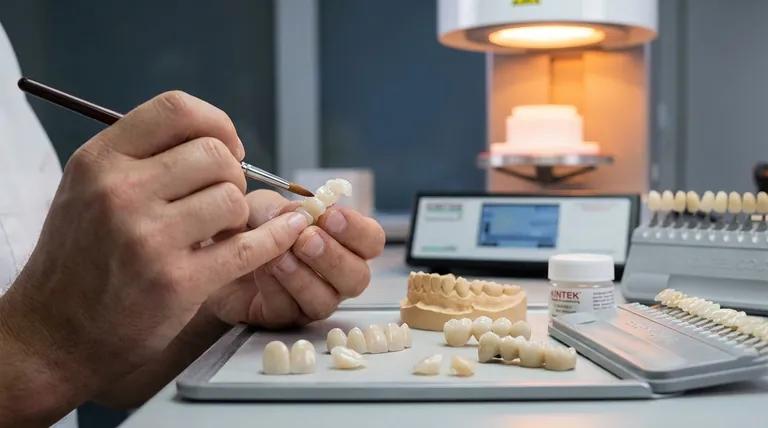

As patient expectations continue to rise, cosmetic dentistry is increasingly focused on achieving restorations that look indistinguishable from natural teeth. For veneer cases, strength alone is no longer enough. Translucency, shade integration, edge definition, and light transmission have become equally important factors.
Many clinics choose an e max veneers dental lab because lithium disilicate veneers offer an excellent balance between aesthetics and durability. However, achieving predictable results depends not only on the material itself but also on how it is designed, processed, layered, and finished.
At Digilabo, E.max veneer production combines digital smile design, CAD/CAM workflows, precision ceramic processing, and multi-stage quality inspection to help clinics deliver highly aesthetic and consistent veneer restorations.
The American Academy of Cosmetic Dentistry highlights the importance of material selection and laboratory precision in achieving successful cosmetic outcomes.
https://www.aacd.com
What Makes E.max Veneers Different from Other Veneer Materials
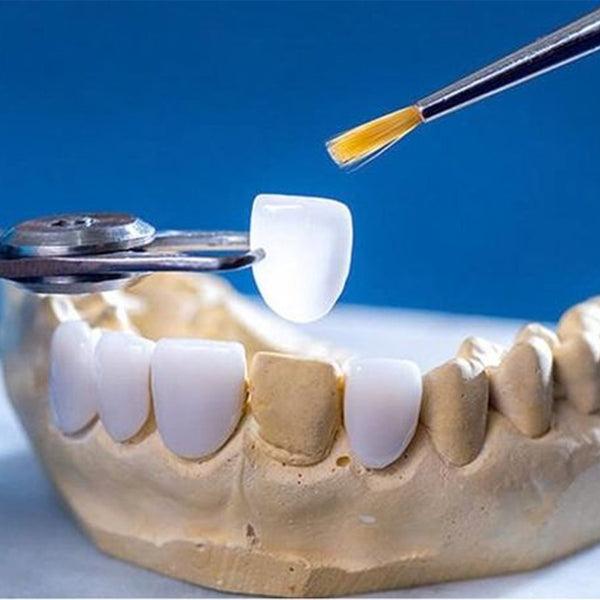
Lithium disilicate has become one of the most widely used materials in aesthetic dentistry because it combines optical performance with clinical reliability.
An experienced e max veneers dental lab understands how to maximize these material advantages through proper processing techniques.
Key benefits include:
- Natural translucency similar to enamel
- High aesthetic flexibility
- Stronger than traditional feldspathic porcelain
- Conservative preparation options
- Long-term color stability
For anterior restorations, these characteristics make E.max veneers a preferred choice for many clinicians.
Material Characteristics and Production Standards
At Digilabo, E.max veneer production focuses on controlling every stage of manufacturing.
E.max Veneer Performance Overview
| Property | Typical Value | Clinical Benefit |
|---|---|---|
| Flexural Strength | 360–400 MPa | Reliable durability |
| Translucency | High | Natural appearance |
| Biocompatibility | Excellent | Tissue-friendly |
| Color Stability | Excellent | Long-term aesthetics |
| Longevity | 10–15 Years | Predictable performance |
Critical Production Variables
- Digital smile design accuracy
- Ceramic pressing and milling precision
- Shade mapping consistency
- Edge translucency control
- Surface texture customization
Even minor variations can influence how the veneer reflects light and integrates with adjacent teeth.
Why Clinics Prefer Specialized E.max Veneers Dental Labs
Many veneer cases fail not because of material limitations, but because of production inconsistencies.
Common challenges include:
- Flat or opaque appearance
- Inconsistent shade transitions
- Overly bright restorations
- Poor marginal adaptation
- Excessive chairside adjustments
A professional e max veneers dental lab helps reduce these issues through:
- Digital workflow standardization
- Advanced smile design planning
- Customized ceramic characterization
- Multi-stage quality control
For cosmetic clinics, consistency is often more valuable than production speed.
E.max Veneers vs Traditional Veneer Materials
| Factor | E.max Veneers | Feldspathic Veneers |
|---|---|---|
| Strength | High | Moderate |
| Translucency | High | Very High |
| Durability | Excellent | Moderate |
| Minimal Preparation | Excellent | Good |
| Clinical Versatility | High | Moderate |
Both materials have advantages, but E.max provides a stronger balance between aesthetics and long-term function.
Case Insight: Improving Smile Design Acceptance with E.max Veneers
A cosmetic dental clinic was experiencing remake requests due to veneer opacity and inconsistent shade blending.
After working with Digilabo:
- Digital smile previews improved communication
- Customized E.max characterization improved translucency
- Edge finishing enhanced natural light transmission
Within several months:
- Veneer approval rates increased significantly
- Chairside adjustments decreased
- Patient satisfaction improved
The improvement came from workflow precision and ceramic processing control rather than changing treatment protocols.
How Digilabo Supports E.max Veneer Workflows
As a dedicated e max veneers dental lab, Digilabo supports clinics through:
- STL digital workflow compatibility
- CAD/CAM veneer design
- E.max pressing and milling
- Customized shade characterization
- Multi-stage aesthetic inspection
Each veneer is evaluated for:
- shade accuracy
- translucency balance
- marginal adaptation
- surface texture realism
Our goal is to help clinics deliver predictable cosmetic results with minimal adjustments.
FAQ
Q1: What is an E.max veneers dental lab?
An E.max veneers dental lab specializes in producing lithium disilicate veneer restorations using digital design and precision ceramic workflows.
Q2: Why are E.max veneers popular in cosmetic dentistry?
E.max veneers offer a combination of high translucency, natural aesthetics, and reliable strength.
Q3: How long do E.max veneers typically last?
With proper maintenance, E.max veneers commonly last 10–15 years or longer.
Working With Digilabo
Digilabo helps clinics improve cosmetic veneer outcomes through advanced lithium disilicate workflows and precision ceramic manufacturing.
Learn about our labs and technical capabilities:
https://www.aspendentallabs.com/about-us
View complete restoration solutions:
https://www.aspendentallabs.com/products
Learn more about our service process and support:
https://www.aspendentallabs.com/service-page
The superior E.max veneer is not just due to its material advantages.
It comes from the combined effect of design, process, and quality control.