
When Veneer Consistency Becomes a Clinical and Operational Challenge
As cosmetic dentistry continues to grow, many clinics face increasing pressure to deliver veneers that are not only aesthetically accurate but also consistent across multiple cases. Small variations in shade, translucency, marginal fit, or turnaround time can quickly affect patient satisfaction and treatment efficiency.
In many practices, veneer-related challenges are not caused by clinical preparation alone. They are often linked to unstable supply workflows, inconsistent manufacturing standards, or limited communication between clinics and production teams.
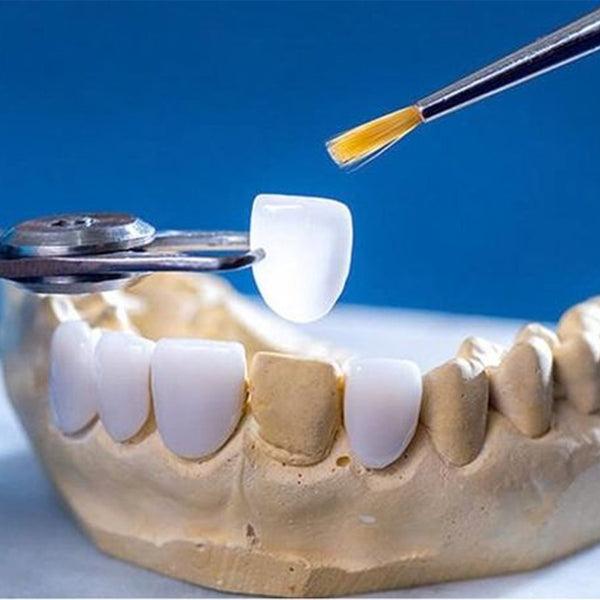
A professional veneers dental supplier helps solve these issues by providing scalable digital workflows, stable ceramic processing systems, and predictable veneer production quality.
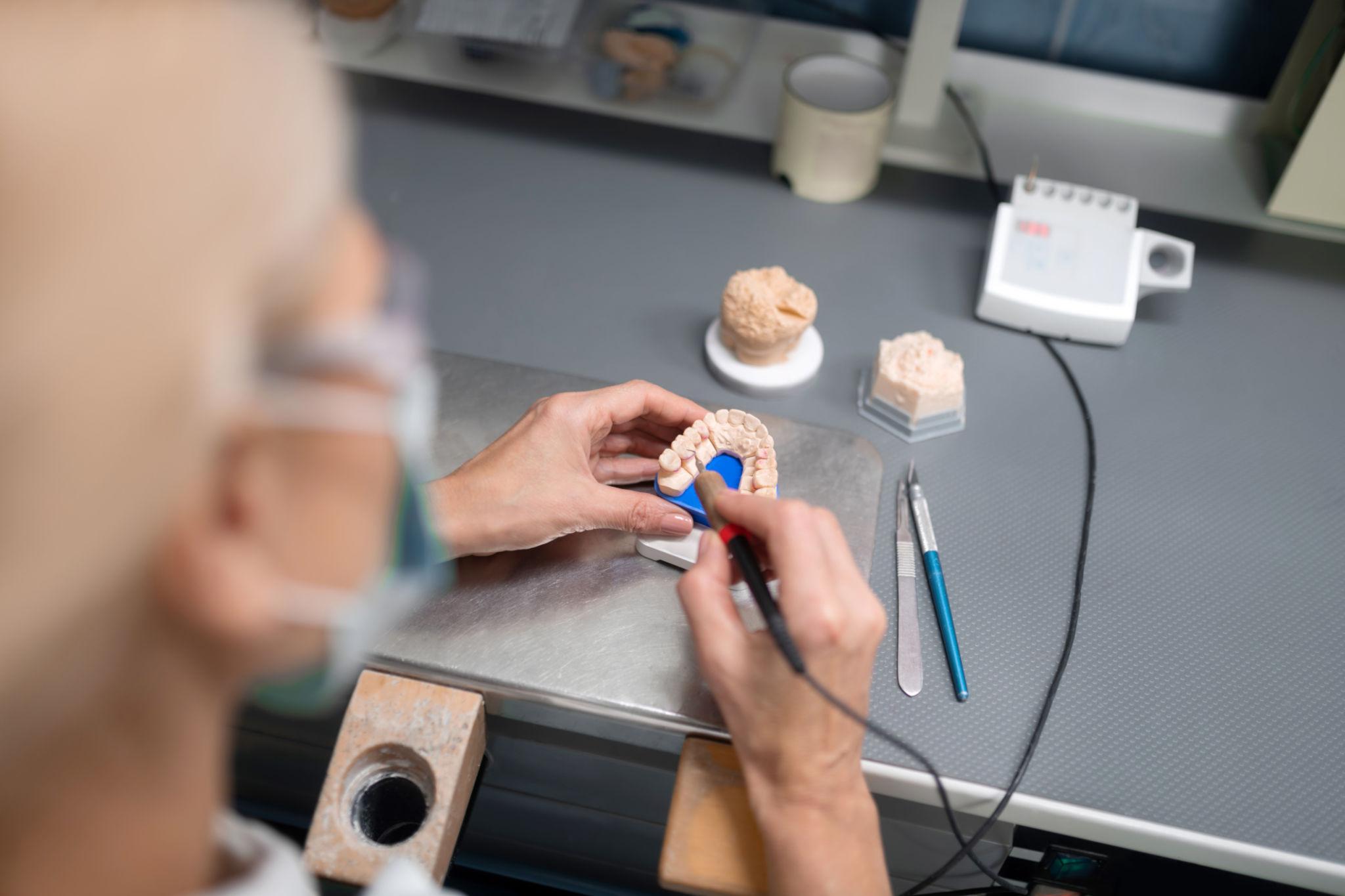
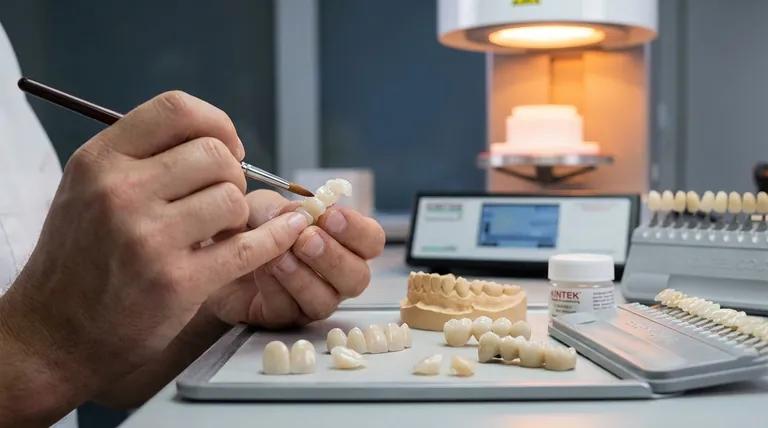
At Digilabo, veneer supply workflows integrate CAD/CAM technology, digital smile design, ceramic layering control, and standardized quality inspection to support consistent aesthetic restorations across different case types.
What Defines a Reliable Veneers Dental Supplier
A veneer supplier must balance aesthetics, efficiency, and scalability.
A qualified veneers dental supplier should provide:
- Digital impression compatibility (STL workflows)
- Customized veneer shade and translucency control
- Consistent ceramic manufacturing standards
- Reliable turnaround and communication systems
- Scalable production capacity for cosmetic practices
Because veneer restorations are highly visible, even small inconsistencies can significantly impact patient acceptance.
Materials and Workflow Standards in Veneer Supply
Different veneer cases require different material approaches.
At Digilabo, veneer production commonly includes:
- Lithium disilicate veneers for high translucency
- Feldspathic porcelain veneers for customized aesthetics
- Layered ceramic veneers for natural characterization
- Hybrid ceramic veneers for selected conservative cases
Veneer Material Comparison
| Material | Translucency | Strength Range | Typical Application |
|---|---|---|---|
| Lithium Disilicate | High | 360–400 MPa | Standard esthetic veneers |
| Feldspathic Porcelain | Very high | Lower | High-end smile design |
| Layered Ceramic | High | Medium | Customized veneers |
| Hybrid Ceramic | Medium | 150–200 MPa | Conservative restorations |
Key Supply Workflow Variables
- Digital shade analysis improves consistency
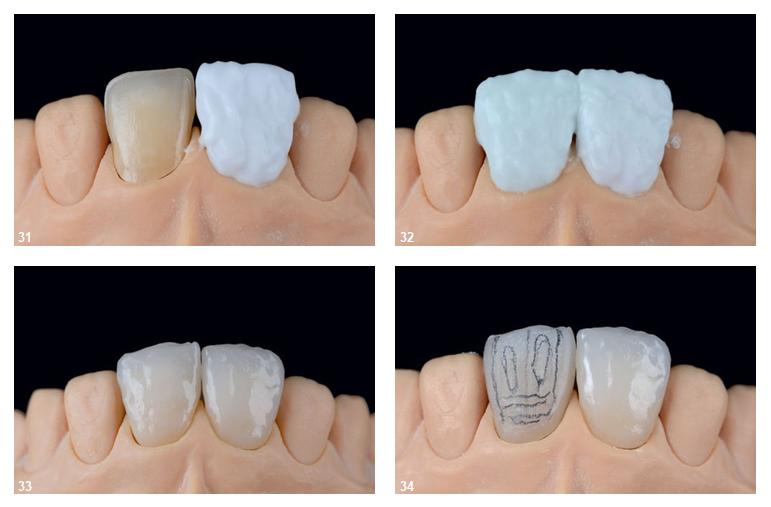
- Ceramic layering affects translucency and realism
- Surface finishing impacts natural light reflection
- CAD/CAM design improves marginal adaptation
Stable workflows reduce remake rates and improve aesthetic predictability.
Why Clinics Work with Specialized Veneers Suppliers
As veneer case volume increases, many clinics move away from general labs and partner with specialized veneer suppliers.
Common reasons include:
- Need for consistent aesthetic quality
- Increasing patient expectations in cosmetic dentistry
- Difficulty maintaining stable turnaround times
- Higher remake rates from inconsistent suppliers
A reliable veneers dental supplier supports clinics through:
- Repeatable aesthetic workflows
- Better communication during smile design cases
- Stable production quality across cases
- Reduced chairside adjustments and remakes
Because cosmetic workflows depend heavily on consistency and visual accuracy.
Standard Lab vs Specialized Veneers Supplier
| Workflow Factor | General Dental Lab | Veneers Dental Supplier |
|---|---|---|
| Aesthetic consistency | Moderate | High |
| Shade matching | Standardized | Customized |
| Workflow scalability | Limited | Strong |
| Cosmetic remake rate | 6–10% | 2–4% |
| Digital smile support | Basic | Advanced |
A specialized veneer supplier reduces variability in cosmetic workflows.
Case Insight: Improving Veneer Workflow Stability
A cosmetic dental clinic experienced recurring delays and inconsistent shade outcomes from multiple local suppliers.
After partnering with Digilabo:
- Digital smile design workflows standardized communication
- Ceramic layering protocols improved translucency consistency
- CAD/CAM workflows reduced production variability
Within several months:
- Veneer remake rates decreased significantly
- Delivery timelines became more predictable
- Patient satisfaction improved in anterior aesthetic cases
The improvement resulted from workflow standardization and stable veneer production systems.
How a Veneers Dental Supplier Supports Long-Term Cosmetic Success
A professional veneer supplier supports clinics by ensuring:
- Stable ceramic processing quality
- Consistent aesthetic characterization
- Reliable turnaround times
- Predictable smile integration across cases
Because successful cosmetic dentistry depends on repeatability—not occasional good results.
Q&A
Q: What does a veneers dental supplier provide?
A: A supplier that manufactures and delivers veneer restorations using digital workflows and controlled ceramic production systems.
Q: Why do clinics use specialized veneer suppliers?
A: To improve aesthetic consistency, reduce remakes, and maintain stable cosmetic workflows.
Q: Which material is commonly used for veneers?
A: Lithium disilicate and feldspathic porcelain are widely used due to their translucency and aesthetic performance.
Working With Digilabo as Your Veneers Dental Supplier
Digilabo supports cosmetic dental practices through scalable veneer production workflows, advanced ceramic processing, and digital smile design systems designed for consistent aesthetic outcomes.
Learn about our labs and technical capabilities:
https://www.aspendentallabs.com/about-us
View complete restoration solutions:
https://www.aspendentallabs.com/products
A stable veneer supply system is not just a matter of efficiency.
It determines whether each smile repair is natural and consistent.