
Zirconia Crown Dental Lab: Why Strength and Precision Matter in Everyday Restorations
When Crown Failures Are Linked to Material and Lab Processing
In restorative dentistry, crown failure is often associated not with clinical technique, but with material limitations and inconsistencies in laboratory processing. Issues such as fracture, marginal instability, and occlusal imbalance frequently originate from inadequate material selection or uncontrolled manufacturing workflows.
Zirconia has become a preferred material for modern crown restorations due to its high strength, durability, and biocompatibility. However, the performance of zirconia crowns depends heavily on how the material is designed, milled, and sintered.
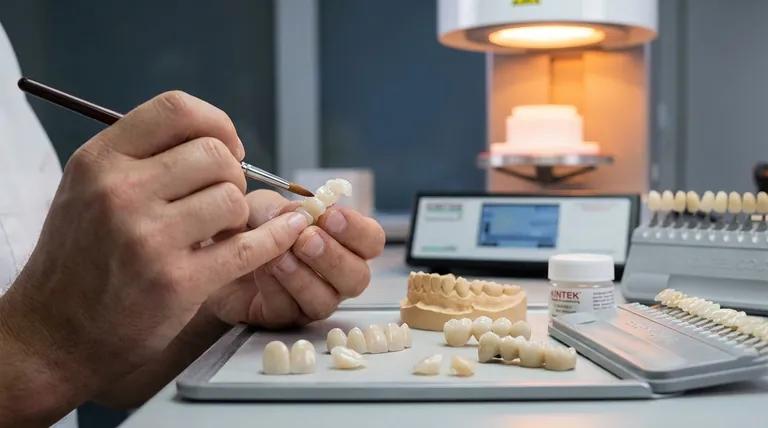
A professional zirconia crown dental lab combines digital design, controlled processing parameters, and standardized production protocols to ensure that restorations meet both functional and long-term clinical requirements. At Digilabo, zirconia crown production is built around precision workflows that prioritize structural integrity, occlusal accuracy, and consistency across cases.
What Makes Zirconia the Preferred Material for Modern Crowns
Zirconia has become the standard for many crown and bridge restorations—and for good reason.
It offers a combination that few materials can match:
- High flexural strength
- Resistance to fracture
- Biocompatibility
- Increasingly improved aesthetics
Zirconia vs Other Crown Materials
| Material | Strength Range | Fracture Resistance | Typical Use |
|---|---|---|---|
| Zirconia | 900–1200 MPa | Very high | Posterior & full arch |
| Lithium Disilicate | 360–400 MPa | Moderate | Anterior |
| PFM | 700–900 MPa | High | Traditional crowns |
| Hybrid Ceramic | 150–200 MPa | Lower | Conservative cases |
Zirconia’s strength allows it to perform well under heavy bite forces, making it especially suitable for posterior crowns and multi-unit restorations.
But strength alone doesn’t guarantee success.
Why Processing Matters More Than Material
Two zirconia crowns can look identical—but perform very differently.
The difference comes from how they are manufactured.
At Digilabo, zirconia crowns follow a controlled digital workflow:
- CAD design with occlusion simulation
- Precision CAM milling
- Controlled sintering cycles
- Multi-stage finishing and polishing
Here’s why this matters:
- Improper sintering can reduce zirconia strength by 10–20%
- Poor milling precision can affect marginal fit
- Incorrect occlusion design increases adjustment time
A reliable zirconia crown dental lab focuses on controlling every step—not just selecting the material.
Why Dentists Choose Zirconia Crown Dental Labs for Daily Cases
Zirconia is not just for complex cases—it has become a daily solution.
Clinics often prefer zirconia crown labs because they offer:
- Higher durability for long-term restorations
- Reduced risk of fracture compared to ceramics
- Consistent results across multiple cases
- Compatibility with digital workflows
Over time, many dentists move toward zirconia as their default crown material, especially for posterior restorations.
Clinical Performance: Zirconia vs Traditional Crown Workflows
| Performance Indicator | Traditional Materials | Zirconia Crowns |
|---|---|---|
| Fracture rate | 5–8% | 1–3% |
| Adjustment time | 10–15 min | 3–6 min |
| Longevity | 8–12 years | 10–15+ years |
| Occlusion stability | Moderate | High |
Zirconia reduces long-term complications, which is why it has become a preferred choice in many practices.
Case Insight: Reducing Crown Failure in High-Bite-Force Patients
A clinic treating patients with strong bite force (including bruxism cases) experienced repeated crown fractures with previous materials.
The issue wasn’t design—it was material limitation.
After switching to zirconia crowns from Digilabo:
- Monolithic zirconia was used for posterior cases
- Occlusion was digitally adjusted to distribute force evenly
- Manufacturing followed controlled sintering protocols
Within months:
- Crown fracture cases dropped significantly
- Remake rates decreased by over 50%
- Patient follow-ups showed improved stability
In this case, the solution wasn’t more adjustment.
It was the right material with the right process.
How Zirconia Crown Labs Improve Long-Term Treatment Stability
A crown should not only fit—it should last.
Zirconia crown dental labs focus on:
- Even force distribution across the restoration
- High resistance to wear and fracture
- Stable margins over time
- Compatibility with digital workflows
Because long-term success depends on what happens after placement—not just during it.
Q&A
Q: What is a zirconia crown dental lab?
A: It is a dental lab specializing in zirconia-based restorations, using digital workflows to produce high-strength crowns.
Q: Are zirconia crowns better than ceramic crowns?
A: Zirconia crowns offer higher strength and durability, especially for posterior restorations, while ceramics may provide better translucency for anterior cases.
Q: Do zirconia crowns require less adjustment?
A: Yes. When properly designed and manufactured, zirconia crowns typically require less chairside adjustment.
Working With Digilabo as Your Zirconia Crown Dental Lab
Digilabo focuses on delivering high-performance zirconia restorations through digital design, controlled manufacturing, and consistent quality standards.
If you want to learn more about our lab capabilities, visit:
https://www.aspendentallabs.com/about-us
Or explore our full zirconia and crown solutions here:
https://www.aspendentallabs.com/products
Zirconia crowns are not just stronger.
They are more predictable—when made correctly.