
The evolution of dental technology has provided remarkable solutions for patients suffering from extensive tooth loss. Among the most transformative of these is the All-on-4 treatment concept, a procedure that has restored smiles and confidence for countless individuals. While the surgical skill of the clinician is paramount, the ultimate success, fit, and aesthetic appeal of the final restoration are deeply rooted in a highly precise and collaborative dental lab workflow. This intricate process, blending digital technology with skilled artistry, is the unsung hero behind every successful All-on-4 case.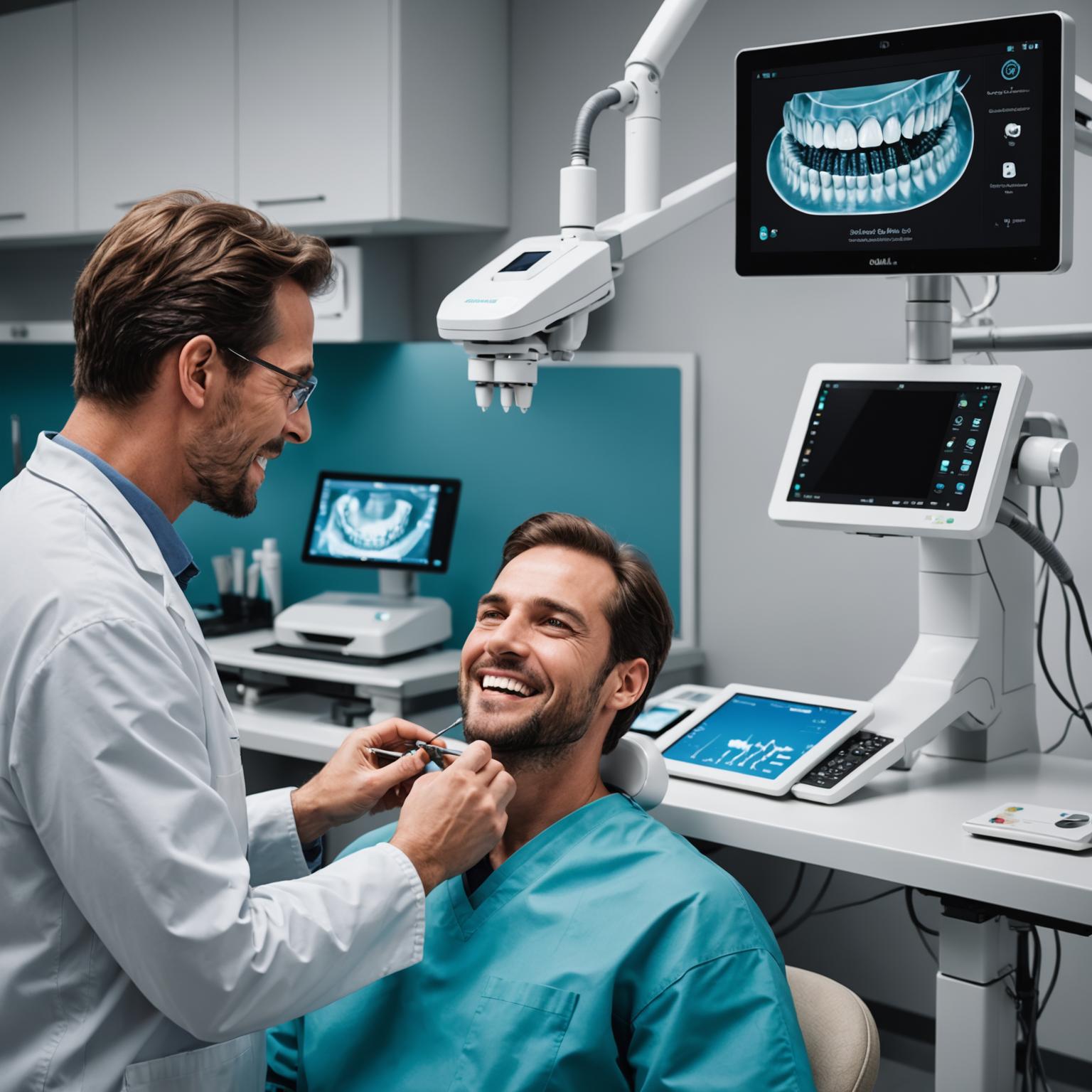
What Are All-on-4 Dental Implants?
The All-on-4 treatment concept is a groundbreaking solution designed to provide a full-arch fixed prosthesis for patients who are edentulous or will soon be. The name itself describes the core principle: supporting an entire arch of teeth on just four strategically placed dental implants. Typically, two implants are placed vertically in the front of the jaw, while the two posterior implants are tilted at an angle, usually up to 45 degrees. This angulation is a key innovation, as it allows for the use of longer implants, increases bone-to-implant contact, and often avoids the need for complex bone grafting procedures by utilizing denser bone available in the anterior region of the jaw. This approach not only makes the procedure less invasive and more cost-effective than traditional methods requiring six or more implants but also enables the attachment of a provisional prosthesis on the same day as the surgery, a benefit known as immediate function.
The Backbone of Success: The Dental Lab Workflow
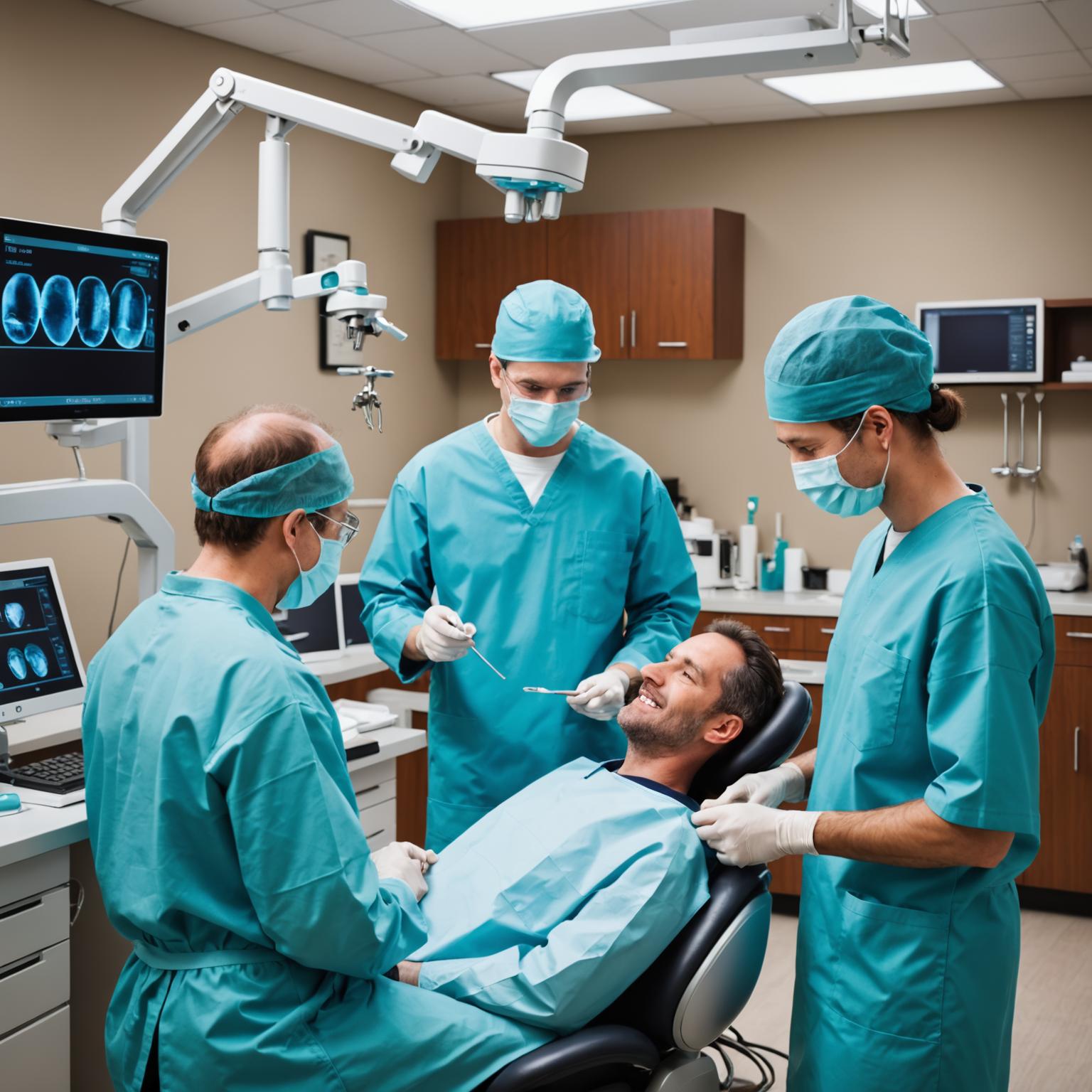
While the surgeon masterfully places the implants, the journey to a beautiful and functional smile is concurrently taking place within the walls of a specialized dental laboratory. The dental lab workflow for an All-on-4 case is a sophisticated sequence of steps that transforms digital data and raw materials into a custom-fitted, lifelike prosthesis. This process requires a seamless partnership between the dental clinic and the lab. Clear communication, precise data transfer, and a shared understanding of the desired clinical outcome are essential. Every stage, from the initial digital scan to the final polishing, is critical. A single error or miscalculation can compromise the fit, function, and longevity of the final restoration, highlighting the immense responsibility placed upon the lab technicians.
Deconstructing the Digital Workflow
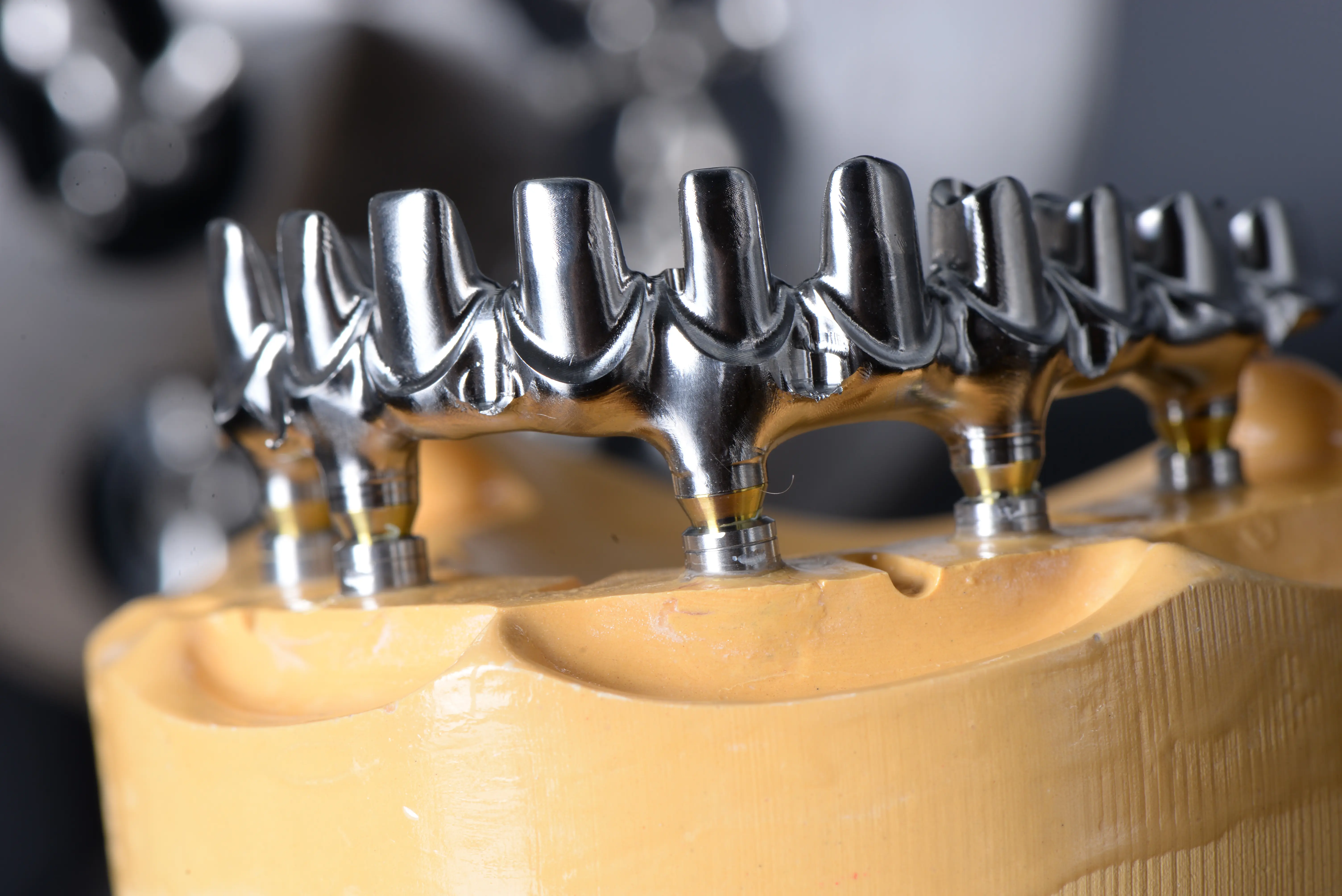
The modern process for fabricating an All-on-4 prosthesis is overwhelmingly digital, ensuring a high degree of accuracy and predictability. It begins immediately after the surgeon has placed the implants. An intraoral scanner is used to capture a precise 3D digital impression of the patient's jaw, including the exact position and orientation of each implant via scan bodies. This digital file, typically in STL format, is securely transmitted to the dental lab. Here, a skilled technician imports the data into advanced Computer-Aided Design (CAD) software. In this virtual environment, the technician designs the entire prosthesis. They meticulously set each individual tooth, sculpting the size, shape, and position to create a natural-looking smile and a balanced bite. The gingival (gum) portion is also designed to provide a seamless transition and support for the patient's lips and facial structure. This digital design phase allows for incredible precision and offers the opportunity for the clinician to review and approve the digital “wax-up” before any physical manufacturing begins.
From Digital Design to Physical Reality
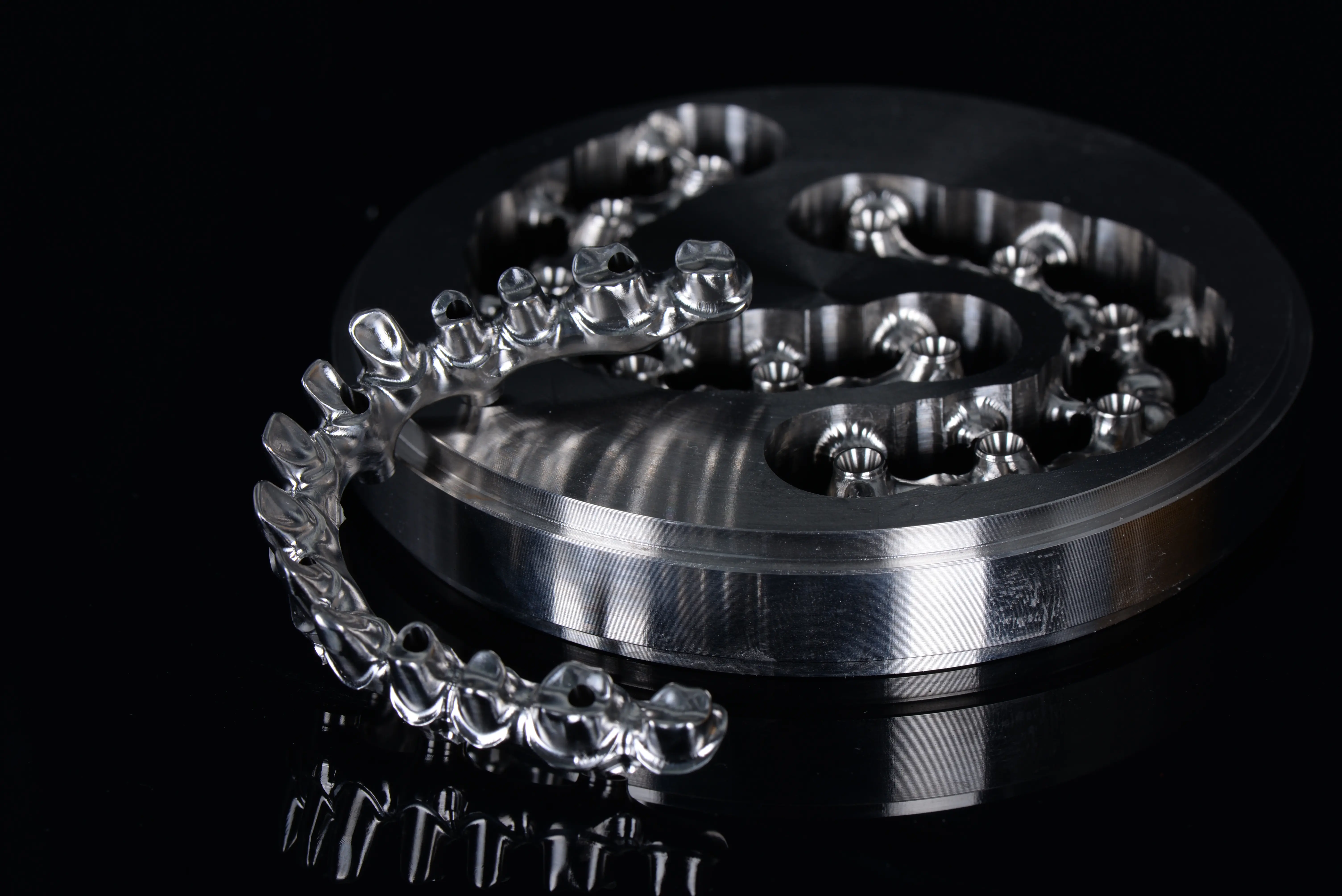
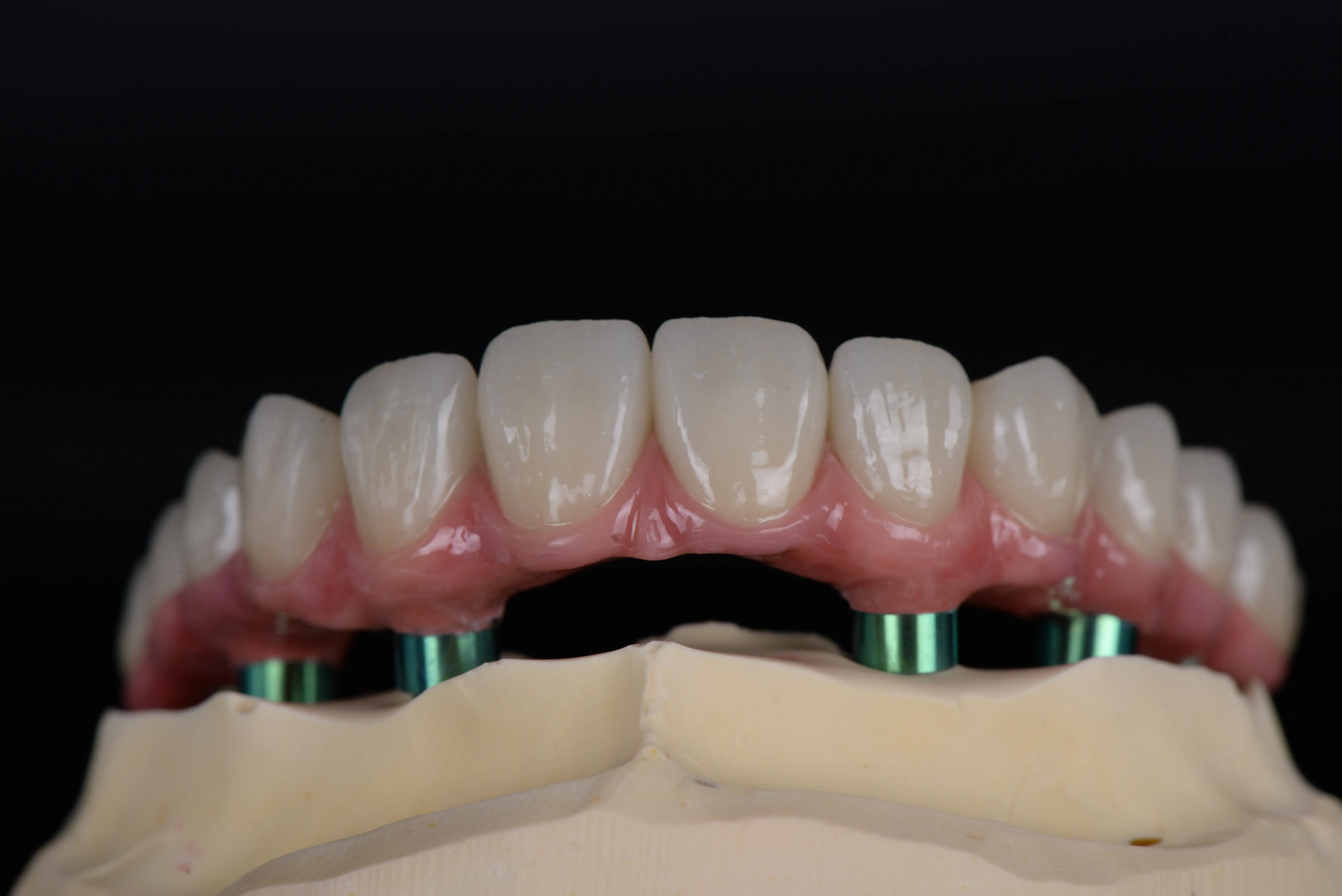
Once the digital design is finalized, it moves to the Computer-Aided Manufacturing (CAM) stage. The design file is sent to a highly precise milling machine. For the final prosthesis, a solid puck of a high-performance material, most commonly multilayered zirconia, is placed into the mill. Zirconia is favored for its exceptional strength, durability, and a translucency that mimics natural tooth enamel. The milling machine then carves the intricate, monolithic restoration from this solid block, a process that can take several hours. After milling, the prosthesis is not yet complete. It undergoes a sintering process, where it is heated in a specialized furnace, causing it to shrink to its final density and strength. The final, artistic steps are then performed by a master ceramist. They apply custom stains and glazes to the surface, adding subtle color variations, incisal translucency, and surface texture to make the bridge indistinguishable from natural teeth. This meticulous finishing is what elevates a functional prosthesis into a truly aesthetic and lifelike smile.
Ensuring a Perfect Outcome Through Collaboration
The entire procedure is a testament to the symbiotic relationship between the surgeon and the laboratory. Before the final prosthesis is created, a prototype or try-in version, often milled from a less permanent material like PMMA, may be fabricated. This allows the patient and dentist to verify the aesthetics, fit, and phonetics in the mouth. Any requested adjustments can be easily transferred to the digital design before the final zirconia bridge is milled. This verification step is a crucial part of the All-on-4 dental implants process, minimizing the risk of errors and ensuring patient satisfaction. The intricate coordination ensures that when the final restoration is delivered, it fits passively onto the implants with impeccable precision, restoring not just the ability to chew, but the confidence that comes with a complete and beautiful smile.