
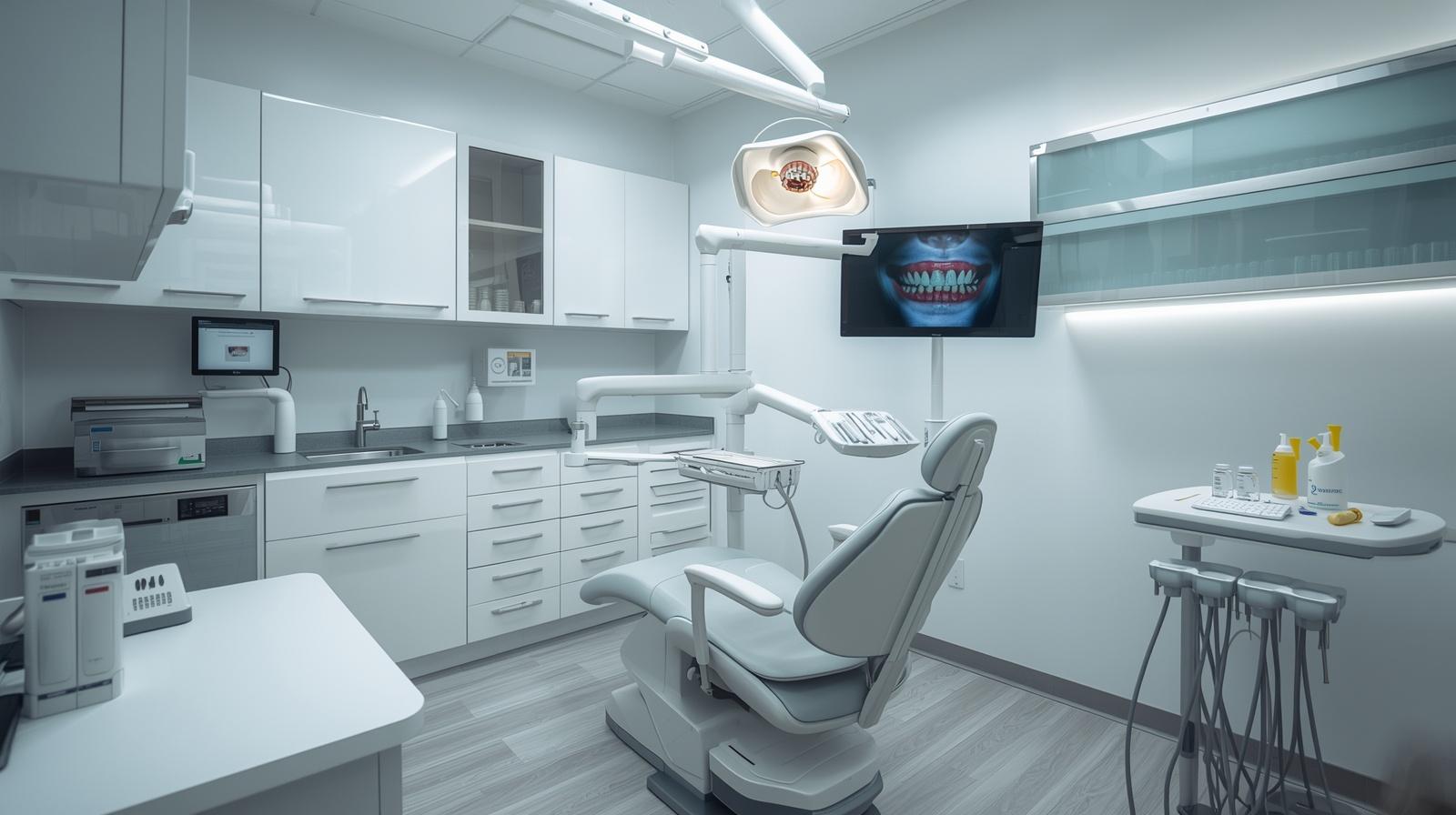
When Traditional Dental Lab Workflows Slow Down Modern Clinics
A patient sits in the chair. The scan is done in minutes. The treatment plan is clear. Yet the restoration takes nearly two weeks to arrive from a traditional lab. Sound familiar?
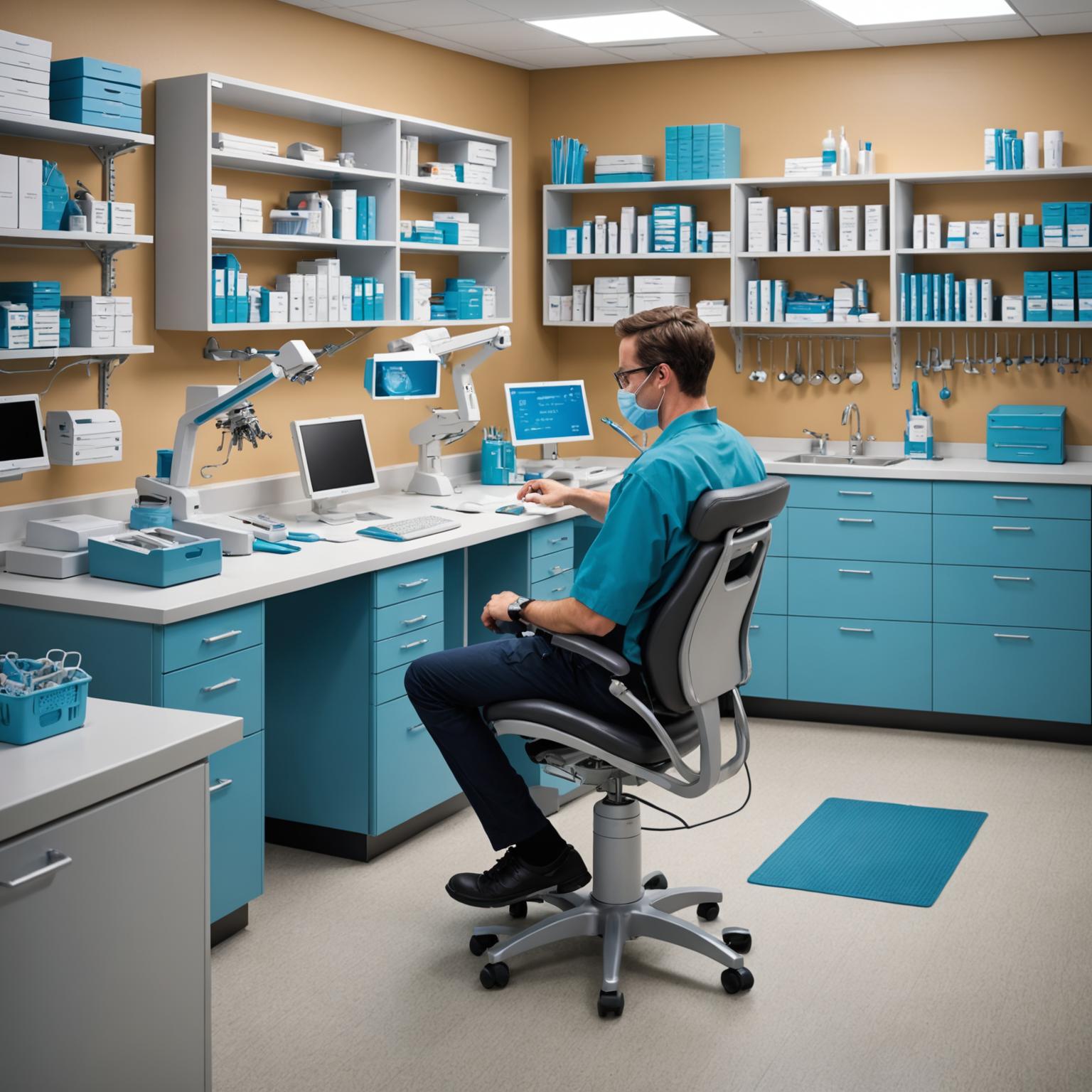
Many dentists now work in fully digital clinical environments. Intraoral scanners, digital treatment planning, and CAD imaging have become common in modern practices. But when the laboratory still relies on manual workflows, the efficiency gained in the clinic can quickly disappear.
This mismatch between digital clinics and traditional laboratories is one of the main reasons dentists are increasingly turning to a digital dental lab.
At Digilabo, our workflow begins where the dentist finishes the scan. Instead of physical impressions and manual model fabrication, cases move directly into digital design and CAD/CAM production. The result is not just faster turnaround—it is greater consistency in restoration fit.
Industry organizations also highlight this shift. The American Dental Association notes that digital dentistry technologies are transforming restorative workflows by improving accuracy and reducing treatment delays.
https://www.ada.org
What Makes a Dental Laboratory Truly “Digital”
The term digital dental lab is often used broadly, but in reality it represents a complete change in how restorations are designed and manufactured.
Traditional laboratories rely heavily on manual impressions, plaster models, and hand-sculpted wax patterns. Digital laboratories replace many of these steps with integrated digital systems.
A typical digital dental lab workflow includes:
-
Intraoral scan file submission (STL format)
-
Digital restoration design using CAD software
-
CAM milling or high-precision 3D printing
-
Automated ceramic sintering or curing
-
Final finishing and quality verification
These technologies allow technicians to analyze occlusion, margin lines, and contact points before production even begins.
Research from the International Association for Dental Research has shown that digital fabrication methods significantly improve restoration reproducibility and reduce manual variability in dental prosthetics manufacturing.
https://www.iadr.org
Materials Still Matter in a Digital Workflow
Digital technology improves precision, but material science remains just as important.
A digital dental lab must select materials that balance strength, aesthetics, and long-term durability. Common materials used in digital restorations include:
-
Zirconia ceramics
-
Lithium disilicate ceramics
-
Hybrid ceramic materials
-
Glass ceramics
-
Acrylic resins for dentures
-
Titanium components for implant prosthetics
Each material plays a specific role.
Zirconia is commonly used for posterior crowns because its flexural strength often exceeds 1000 MPa, making it suitable for high bite-force areas. Lithium disilicate, on the other hand, offers greater translucency and is widely used for veneers and anterior crowns.
Digital manufacturing ensures these materials are milled or printed with extremely tight tolerances, which directly improves restoration fit and consistency.
Why Many Dentists Are Moving Toward Digital Dental Labs
Dentists do not choose digital labs simply because the technology looks advanced. The decision usually comes from practical clinical experience.
Over time, dentists notice several consistent advantages when working with a digital dental lab:
-
More predictable restoration fit
-
Reduced chairside adjustment time
-
Faster case turnaround
-
Easier communication using digital files
-
Better compatibility with intraoral scanners
A digital workflow also allows technicians to preview restorations virtually before manufacturing. That means potential design problems can be corrected earlier in the process.
For busy clinics, this translates into smoother treatment delivery.
Digital Dental Lab Services Used in Daily Practice
A modern digital dental lab supports a wide range of restorative and orthodontic cases.
Crown and Bridge Restorations
Crown and bridge work remains one of the most common services requested by dental clinics.
Typical digital solutions include:
-
zirconia crowns
-
PFM crowns
-
ceramic bridges
-
layered ceramic restorations
-
full cast crowns
Digital occlusion simulation allows technicians to evaluate bite contacts before milling begins, which reduces chairside adjustments.
Cosmetic Veneers
Cosmetic dentistry has grown significantly as patients increasingly focus on smile aesthetics.
Digital veneer workflows often include:
-
porcelain veneers
-
lithium disilicate veneers
-
digital smile design simulations
-
diagnostic wax-up modeling
These digital simulations allow dentists to visualize the expected result before fabrication begins.
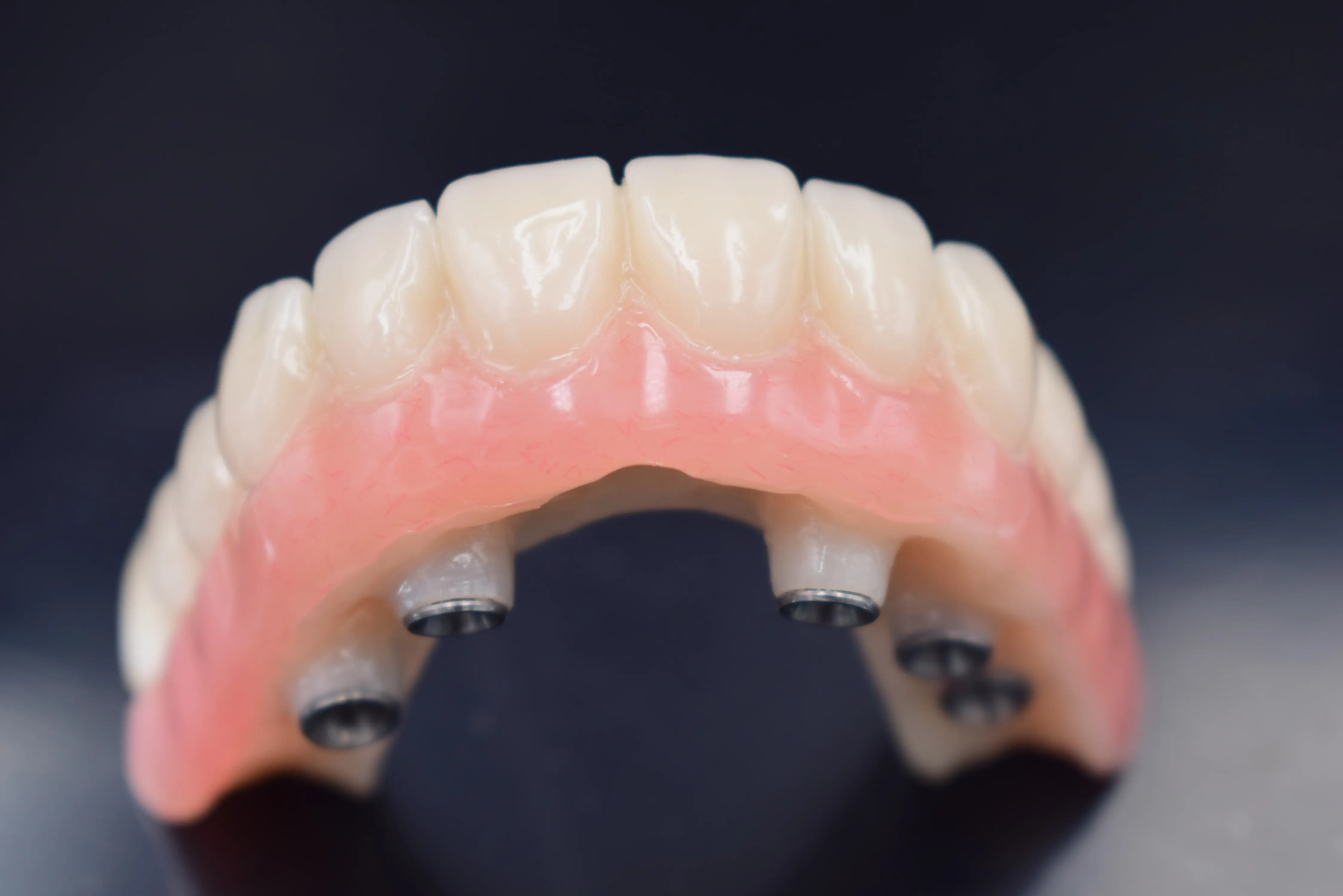
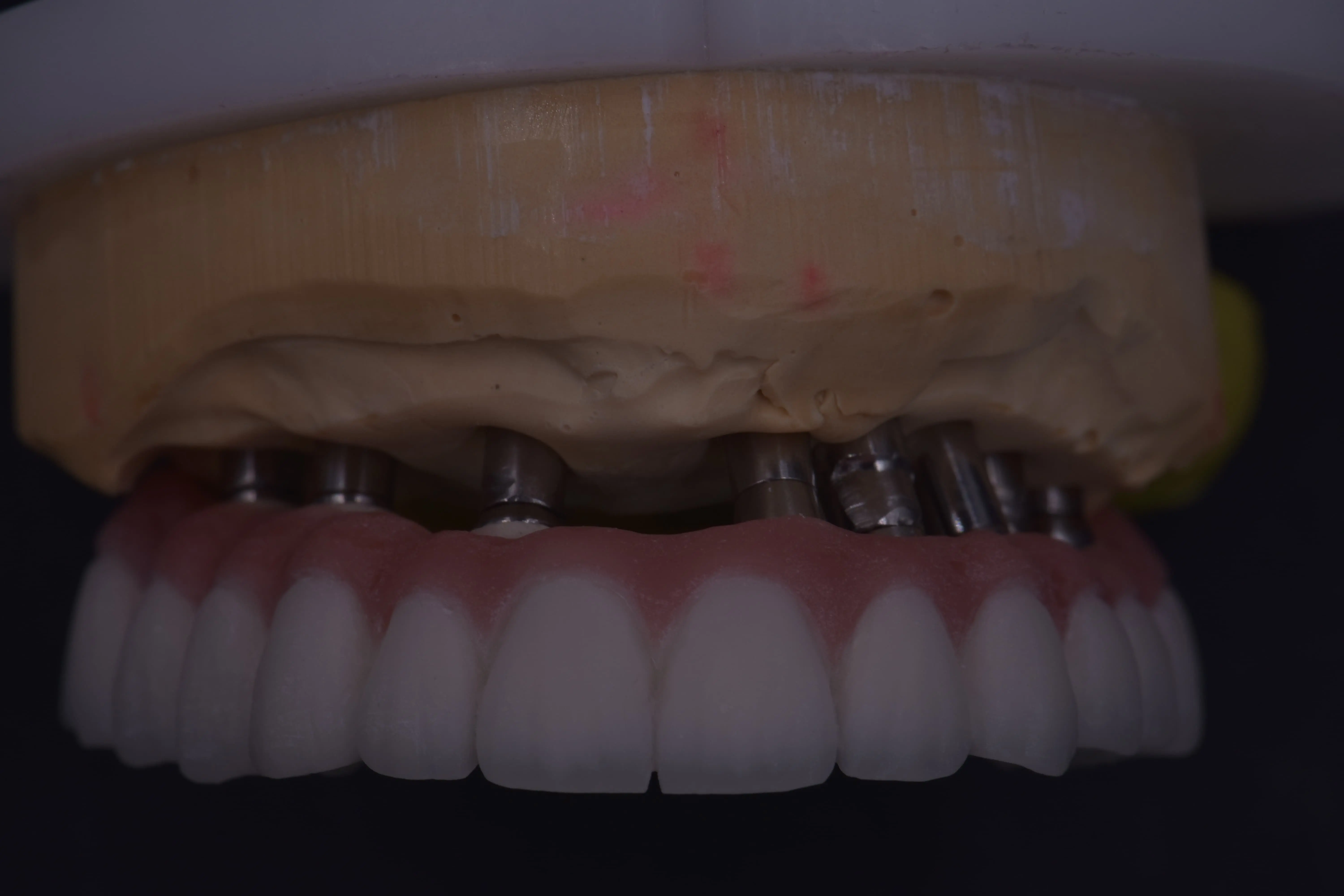
Implant Restorations
Implant restorations require extremely precise prosthetic alignment.
Digital dental labs use implant libraries and CAD software to design restorations compatible with specific implant systems.
Common implant services include:
-
implant crowns
-
implant bridges
-
custom abutments
-
implant-supported dentures
Even small design improvements can significantly reduce adjustment time during placement.
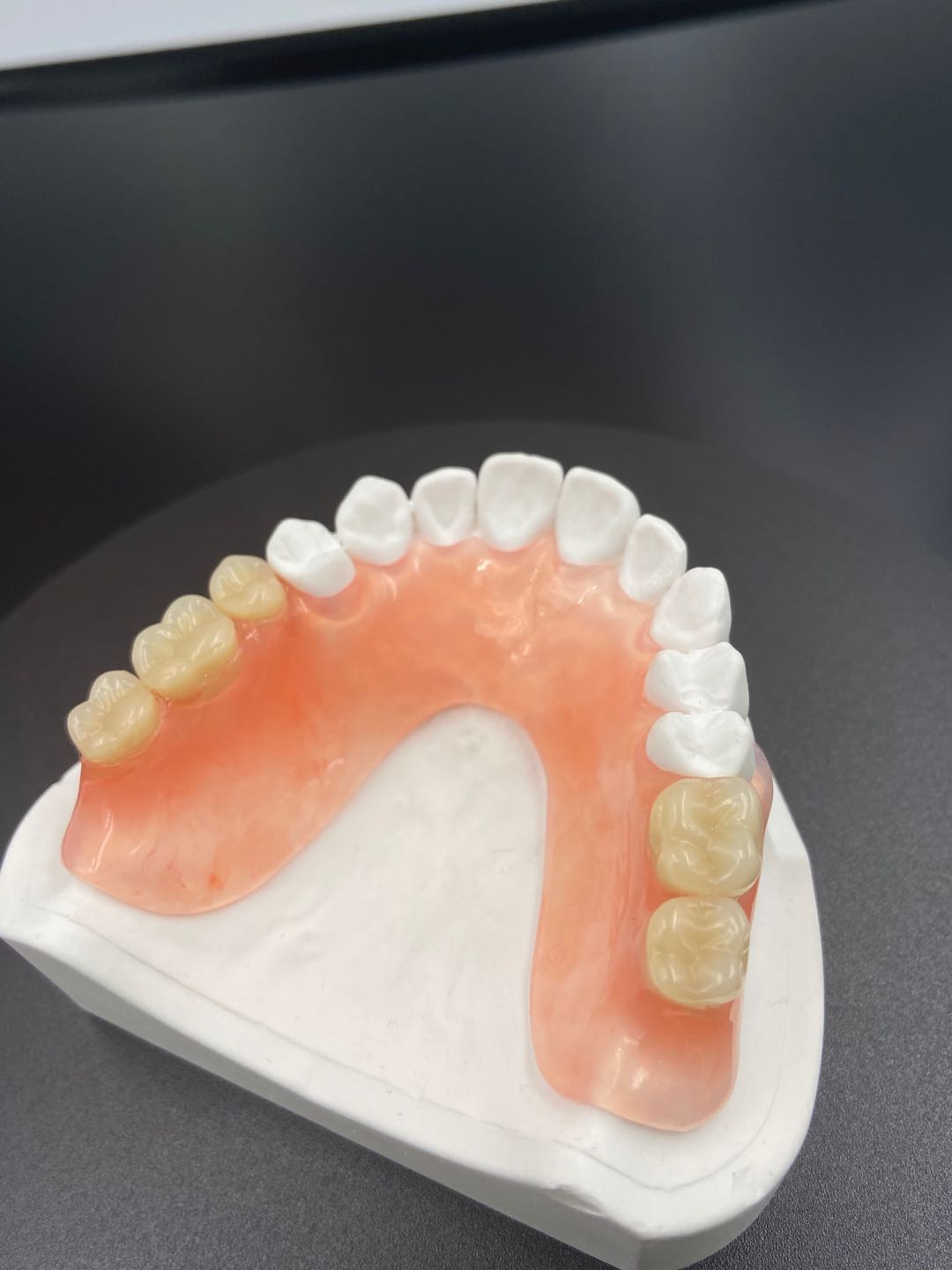
Removable Dentures
Digital denture design has improved the manufacturing consistency of removable prosthetics.
Services typically include:
-
full dentures
-
partial dentures
-
acrylic dentures
-
metal framework dentures
3D scanning and digital modeling allow laboratories to reproduce denture designs more reliably than manual methods.
Orthodontic Appliances
Digital labs also produce a variety of orthodontic appliances used for treatment and protection.
Examples include:
-
retainers
-
bite splints
-
sports mouthguards
-
anti-snoring appliances
-
palatal expanders
These devices benefit from digital modeling that improves comfort and fit.
Restoration Material Comparison in Digital Manufacturing
| Material | Typical Strength | Common Use | Estimated Longevity |
|---|---|---|---|
| Zirconia | 900–1200 MPa | Posterior crowns and bridges | 10–15 years |
| Lithium Disilicate | 360–400 MPa | Veneers and anterior crowns | 10+ years |
| Hybrid Ceramic | 150–200 MPa | Conservative restorations | 8–10 years |
| PFM | 700–900 MPa | Crowns and bridges | 10–15 years |
| Acrylic | Lower strength | Dentures | 5–8 years |
These values reflect commonly referenced ranges used in restorative dentistry.
Digital vs Traditional Dental Lab Workflow
| Performance Indicator | Traditional Lab | Digital Lab |
|---|---|---|
| Remake rate | 6–8% | 2–3% |
| Crown adjustment time | 10–15 minutes | 3–5 minutes |
| Average turnaround | 10–14 days | 5–7 days |
| Impression accuracy | Moderate | High consistency |
For many clinics, these improvements are the main reason digital laboratories are becoming the preferred partner.
A Real Case: How a Digital Workflow Improved Crown Delivery
A dental clinic that recently upgraded to intraoral scanning contacted Digilabo after struggling with laboratories that still relied on traditional workflows.
The problem was not the scanning technology. The problem was compatibility. The lab required physical models, which forced the clinic to convert digital scans back into traditional impressions.
After switching to a fully digital dental lab workflow, the clinic began submitting STL files directly. Our technicians reviewed the digital impressions, refined the occlusal modeling, and produced zirconia crowns using CAD/CAM milling.
When the restorations arrived, the dentist reported significantly reduced adjustment time and faster case turnaround.
Digital technology in the clinic finally matched the digital capability of the laboratory.
Q&A
Q: What is a digital dental lab?
A: A digital dental lab uses CAD/CAM design software, digital impressions, and automated manufacturing technologies to produce dental restorations with higher precision and efficiency.
Q: Do digital dental labs work with intraoral scanners?
A: Yes. Most digital labs accept STL files, allowing dentists to submit digital impressions directly without physical models.
Q: Are digital dental restorations more accurate than traditional ones?
A: Digital workflows reduce manual variability, which often results in better restoration fit and lower remake rates.
Working With Digilabo
Digilabo operates as a fully integrated digital dental lab, supporting dentists with crowns, veneers, implant restorations, dentures, and orthodontic appliances manufactured through digital workflows.
If you would like to learn more about our laboratory background and team, visit:
https://www.aspendentallabs.com/about-us
You can also explore our restoration categories and services here:
https://www.aspendentallabs.com/products
Reliable digital dental laboratories do more than produce restorations.
They help dental clinics deliver treatment with greater precision and confidence.