
The Modern Choice in Dental Restorations: A Guide to Advanced Crowns
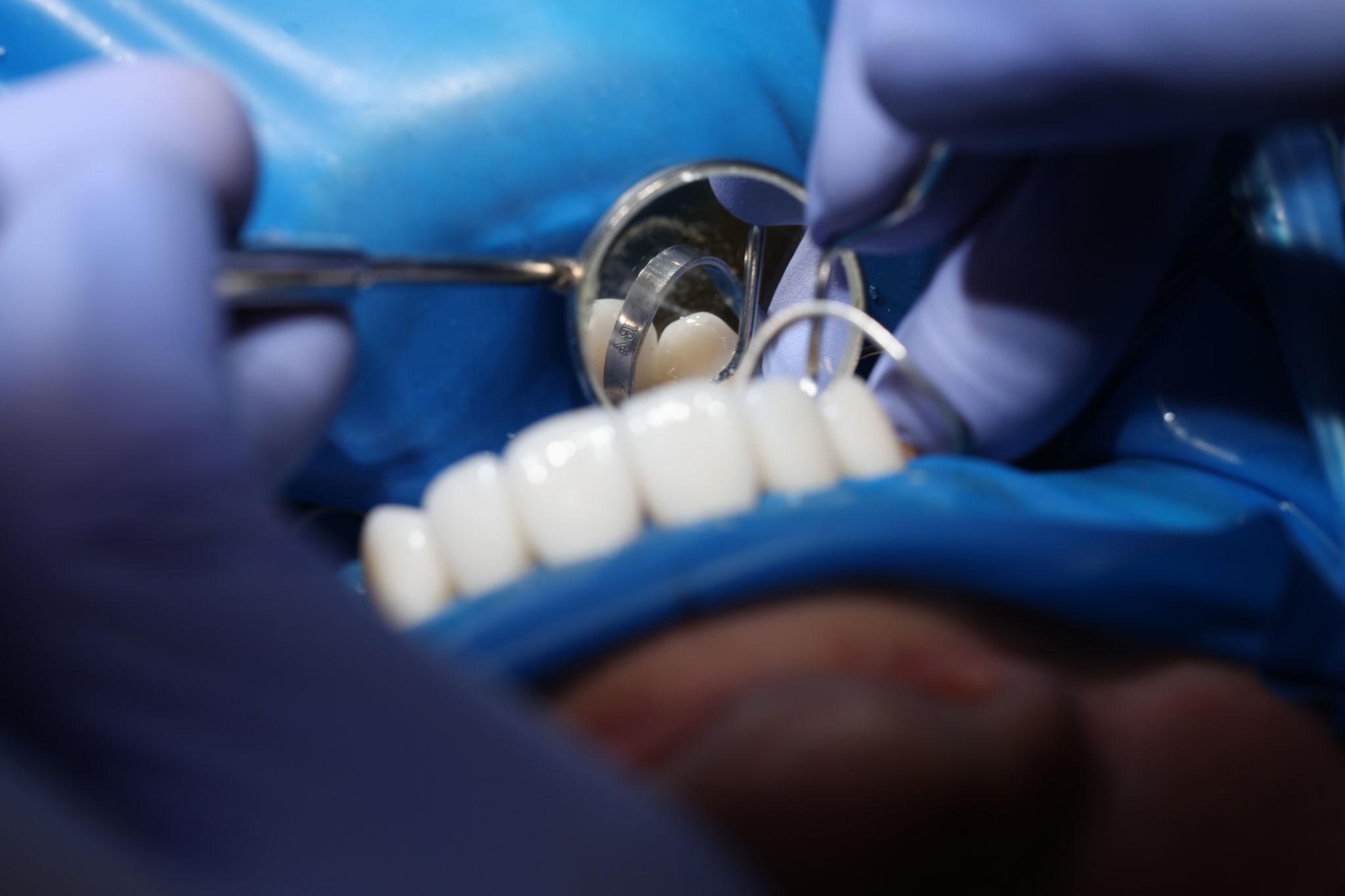
When it comes to restoring a damaged or decayed tooth, dental crowns are a time-tested and highly effective solution. They act as a protective cap, encasing the entire visible portion of a tooth to restore its shape, size, strength, and appearance. For decades, options were limited to metal or porcelain-fused-to-metal (PFM) crowns. While functional, these often came with aesthetic drawbacks, such as a visible dark line at the gumline. Today, dental technology has advanced remarkably, offering materials that are both incredibly strong and stunningly lifelike. Two of the leading options in modern dentistry are Zirconia crowns and E-max crowns, each offering a unique set of benefits tailored to different clinical needs.
Understanding the Powerhouse: Zirconia Crowns
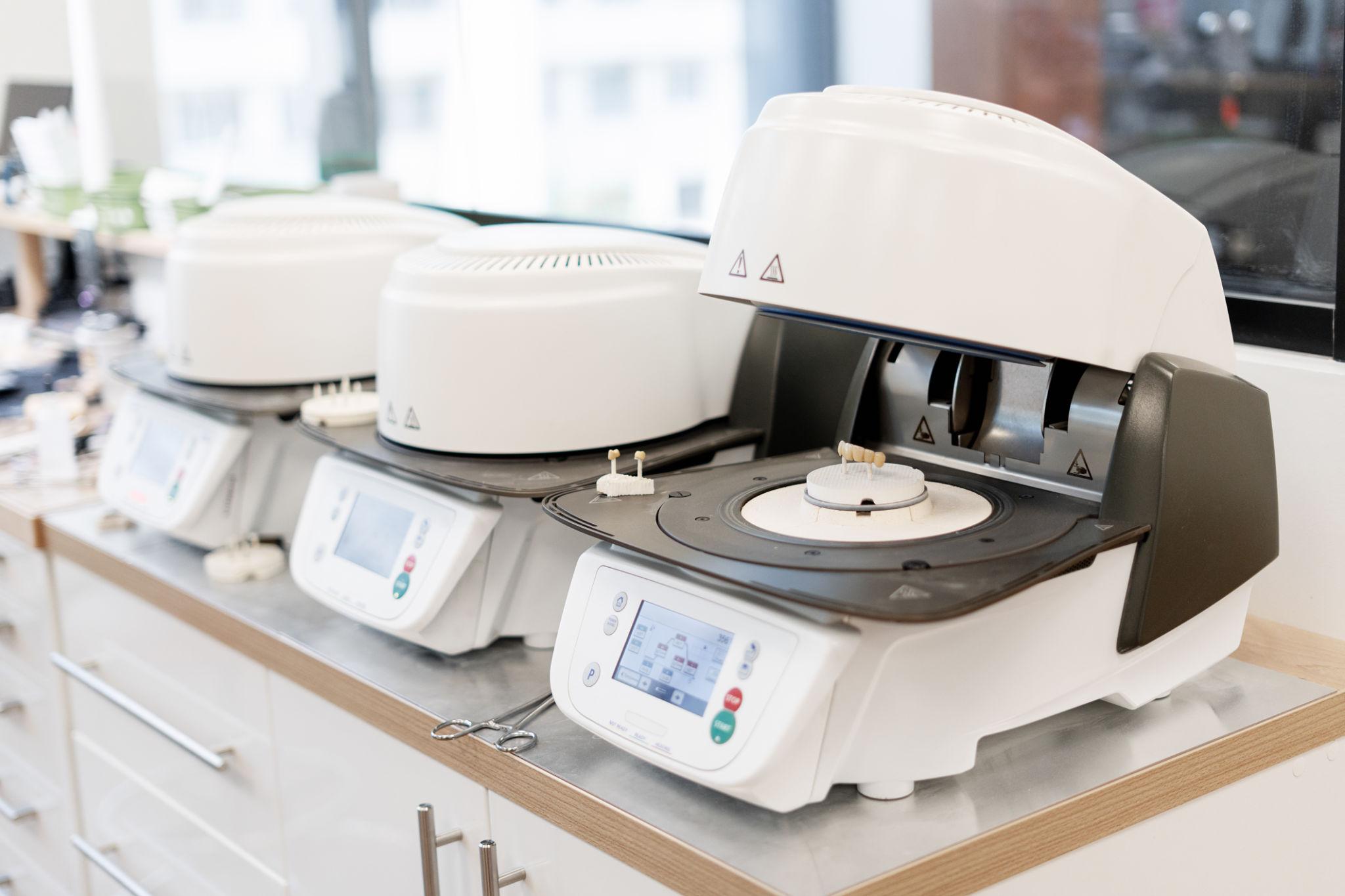
Zirconia, or zirconium dioxide, is a type of ceramic that is renowned for its exceptional strength and durability. It is so robust that it has been nicknamed 'ceramic steel' and is used in various high-stress industrial applications, including aerospace engineering. In dentistry, this strength translates to a crown that can withstand immense biting and chewing forces, making it an ideal choice for restoring posterior teeth like molars and premolars. One of the greatest advantages of Zirconia crowns is their resistance to chipping, cracking, and fracturing. They are milled from a solid block of biocompatible material, which means they are gentle on the surrounding gum tissues and have a very low risk of causing allergic reactions. There are two main types: solid or monolithic Zirconia, which is incredibly strong but can be more opaque, and layered Zirconia, which has a porcelain overlay for enhanced aesthetics, making it suitable for a wider range of applications, including front teeth in some cases.
The Aesthetic Champion: E-max Crowns
While Zirconia is the champion of strength, E-max crowns are widely regarded as the pinnacle of dental aesthetics. E-max is a specific type of lithium disilicate glass-ceramic, a material celebrated for its excellent optical properties. Its most notable characteristic is its translucency, which very closely mimics the appearance of natural tooth enamel. This material allows light to pass through it in the same way a natural tooth does, eliminating the risk of a flat, opaque look that can sometimes occur with other materials. This makes E-max crowns the preferred choice for restoring anterior (front) teeth, where a seamless, natural appearance is the highest priority. They can be custom-stained and glazed to perfectly match the shade and character of the surrounding teeth, rendering them virtually indistinguishable. While not as strong as solid Zirconia, E-max is still very durable and more than strong enough for front teeth, veneers, inlays, and onlays.
A Head-to-Head Comparison: Zirconia vs. E-max
Choosing between these two excellent materials often comes down to the specific location of the tooth and the patient's individual needs. Strength is the primary differentiator. Zirconia is significantly stronger and more fracture-resistant, making it the superior choice for molars that endure the most grinding pressure. It is also the material of choice for multi-unit dental bridges where extra support is needed. In contrast, E-max offers unparalleled aesthetics. Its light-handling properties create a vitality and realism that is difficult to achieve with the more opaque Zirconia. For any tooth in the 'smile zone,' E-max is often the recommended option. In terms of tooth preparation, Zirconia's strength allows it to be milled into a thinner crown, which can sometimes mean less of the natural tooth structure needs to be removed. Both materials are highly biocompatible and bond well to the underlying tooth, ensuring a long-lasting and healthy restoration.
How to Make the Right Decision for Your Smile
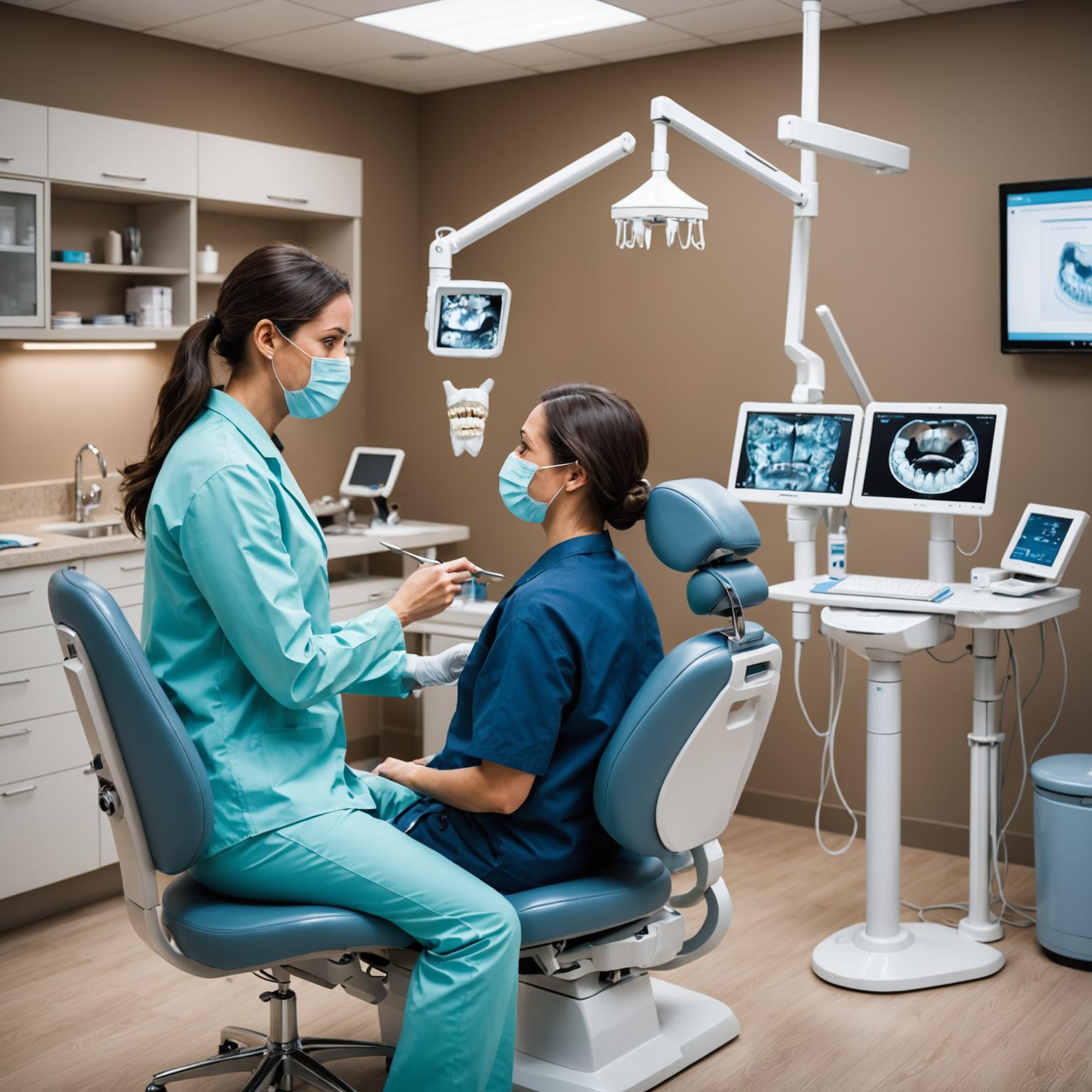
The decision between a Zirconia and an E-max restoration is not one you have to make alone. The best choice depends on a careful evaluation by your dental professional. They will consider several critical factors, including the location of the tooth being restored—is it a front tooth that requires beautiful aesthetics or a back molar that needs maximum strength? They will also assess your bite and whether you have habits like bruxism (teeth grinding), which might necessitate a stronger material like Zirconia. Your personal aesthetic goals are also a crucial part of the conversation. Ultimately, your dentist will provide a recommendation based on your unique clinical situation and desired outcome. Both options represent the best of what modern dentistry has to offer, moving far beyond the compromises of older materials. By consulting with your dentist, you can confidently select the crown that will provide the perfect balance of form, function, and durability for a healthy, beautiful smile that lasts for years to come.