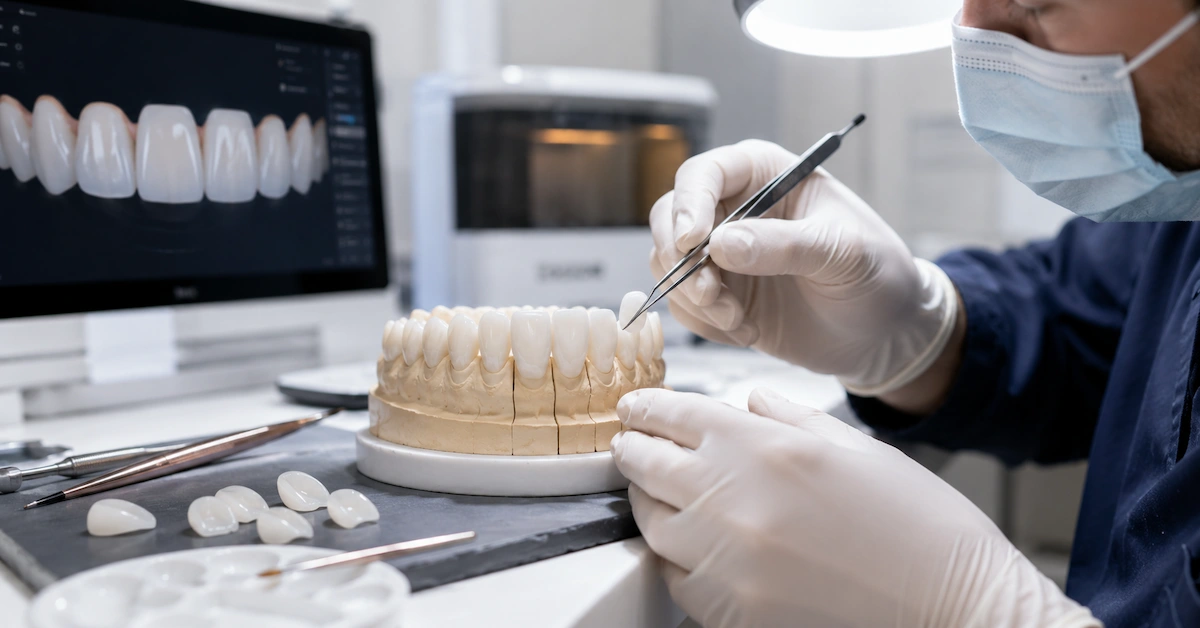

A veneer case is one of the most demanding cosmetic restorations for a dental clinic. Patients notice the final result immediately. They care about tooth shape, brightness, symmetry, natural texture, and how the new smile looks in real life.
For dentists, the concerns are more technical: margin fit, contact points, ceramic thickness, seating, occlusion, shade accuracy, and chairside adjustment time.
That is why choosing a reliable veneers case dental lab matters. A good lab does not simply manufacture veneers. It helps the clinic translate clinical information into a predictable aesthetic restoration.
At Digilabo Dental Laboratory, veneer cases are supported by digital workflows, CAD/CAM design, E.max veneer fabrication, diagnostic wax-ups, ceramic finishing, QC inspection, and international dental lab services for global clinics.
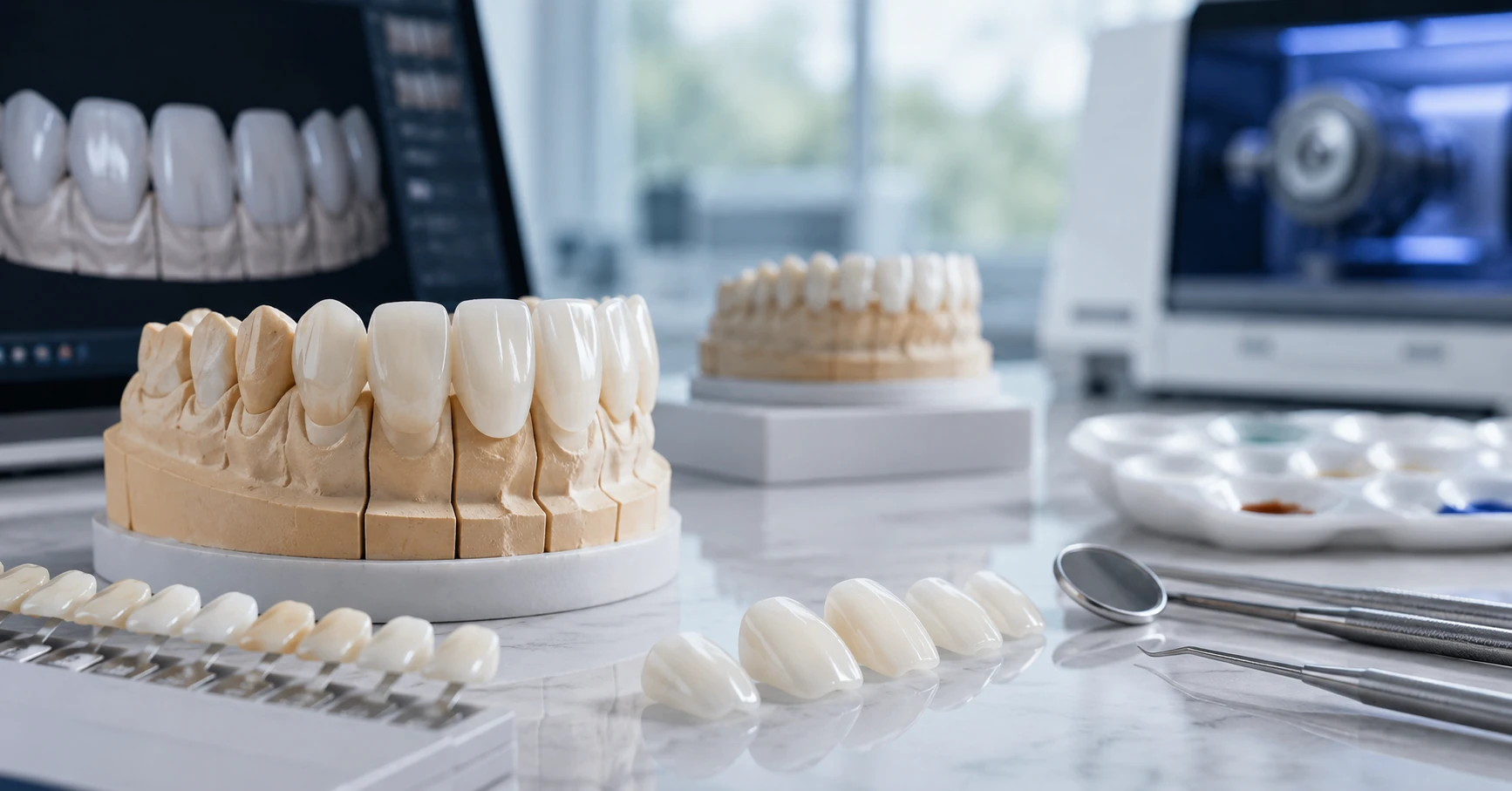
What Is a Veneers Case Dental Lab?
A veneers case dental lab is a dental laboratory that supports complete veneer cases, from digital file review and case planning to final ceramic fabrication and quality control.
Unlike a simple product supplier, a case-focused veneer lab must understand the full clinical context, including:
- Patient smile expectations
- Tooth preparation design
- Digital scan quality
- Shade tab photos
- Stump shade
- Occlusion and bite record
- Smile line
- Midline and tooth proportion
- Material selection
- Delivery schedule
This is especially important for anterior cases, where even a small mismatch in value, contour, or texture can make the restoration look unnatural.
Common Veneer Cases That Clinics Send to a Lab
Different veneer cases require different lab support.
| Veneer Case Type | Main Lab Challenge | What the Clinic Needs |
|---|---|---|
| Single anterior veneer | Matching adjacent natural teeth | Accurate shade photos and texture reference |
| 6-unit smile design | Symmetry and proportion | Smile photos and design approval |
| 8-unit or 10-unit case | Full smile harmony | Diagnostic wax-up and clear treatment plan |
| Minimal-prep veneers | Thin ceramic control | Precise preparation and material selection |
| Dark stump shade case | Opacity and color masking | Stump shade and material guidance |
| Replacement veneer case | Matching or improving old restorations | Photos of old veneers and new expectations |
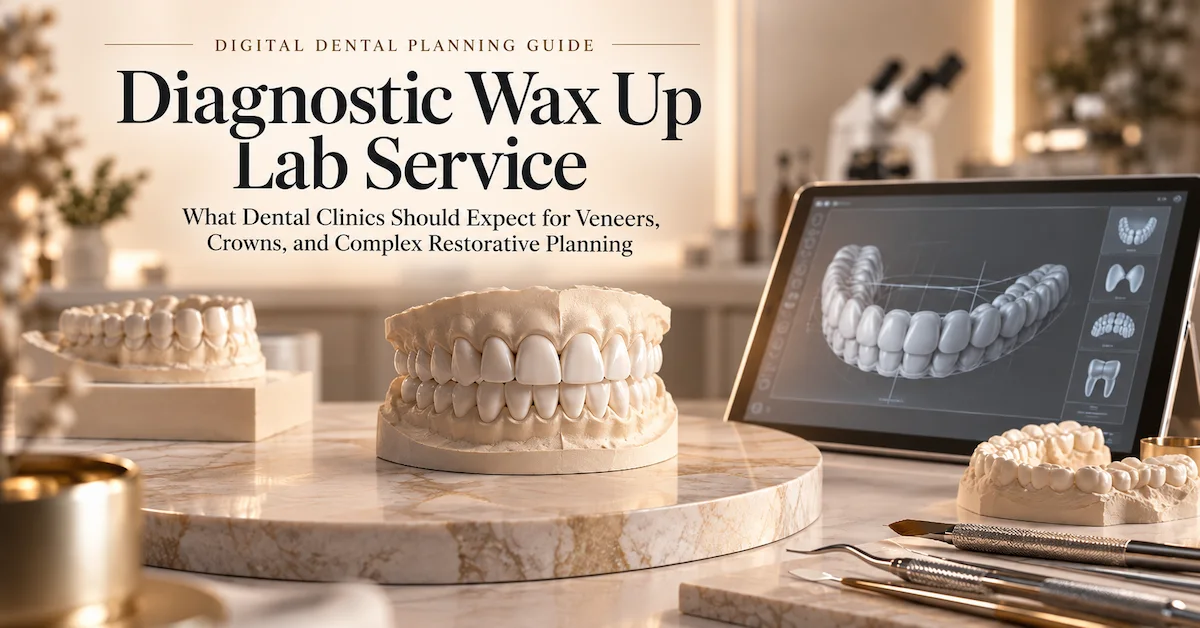
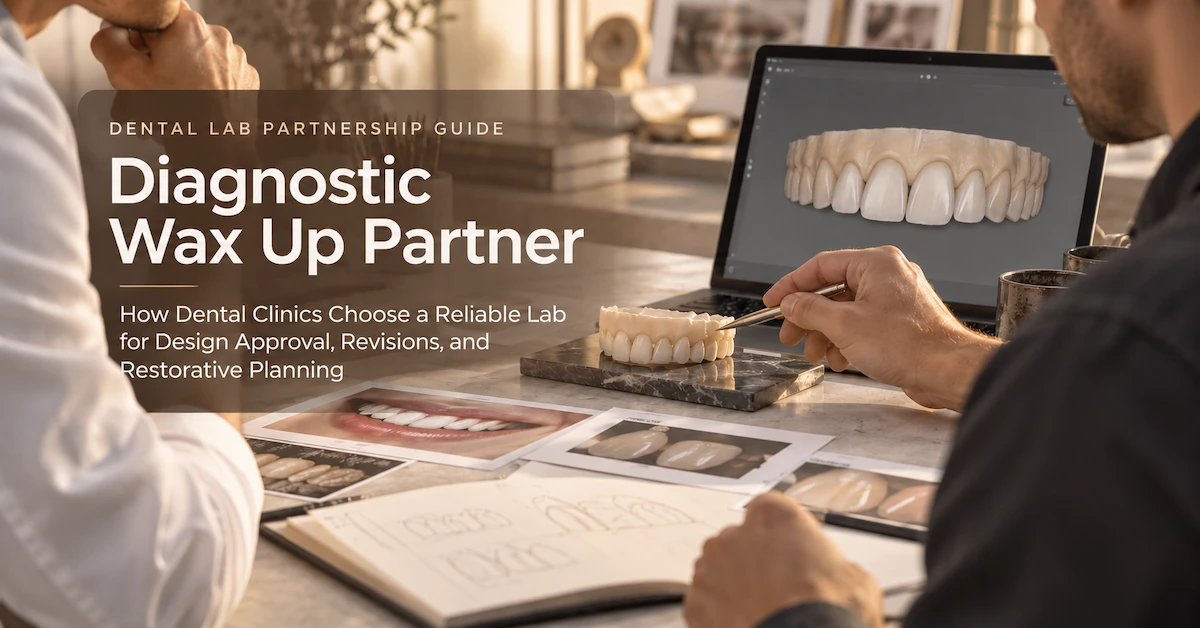
| Diagnostic wax-up case | Patient communication | Smile preview before final restoration |
For these cases, communication is just as important as production. The lab must know what the dentist wants to achieve before fabrication begins.
What Clinics Should Prepare Before Sending a Veneer Case
A veneer case becomes more predictable when the lab receives complete information at the beginning.
Before sending a case to Digilabo or any veneer dental lab, clinics should prepare:
- STL or PLY digital scan files
- Upper and lower arch scans
- Bite record
- Digital prescription
- Preparation margin details
- Shade tab photos
- Smile photos
- Retracted anterior photos
- Stump shade if needed
- Number of veneer units
- Material preference
- Diagnostic wax-up request if required
- Notes about patient expectations
Digilabo’s Service and FAQ page explains a digital workflow from file upload and prescription to design validation, production, finishing, QC, and shipping.
Why Digital Workflow Matters for Veneer Cases
Digital workflow helps reduce misunderstanding between the clinic and the lab.
For veneer cases, digital files allow the lab to check:
- Whether the margin is visible
- Whether there is enough space for ceramic
- Whether the bite record is stable
- Whether the design needs adjustment before production
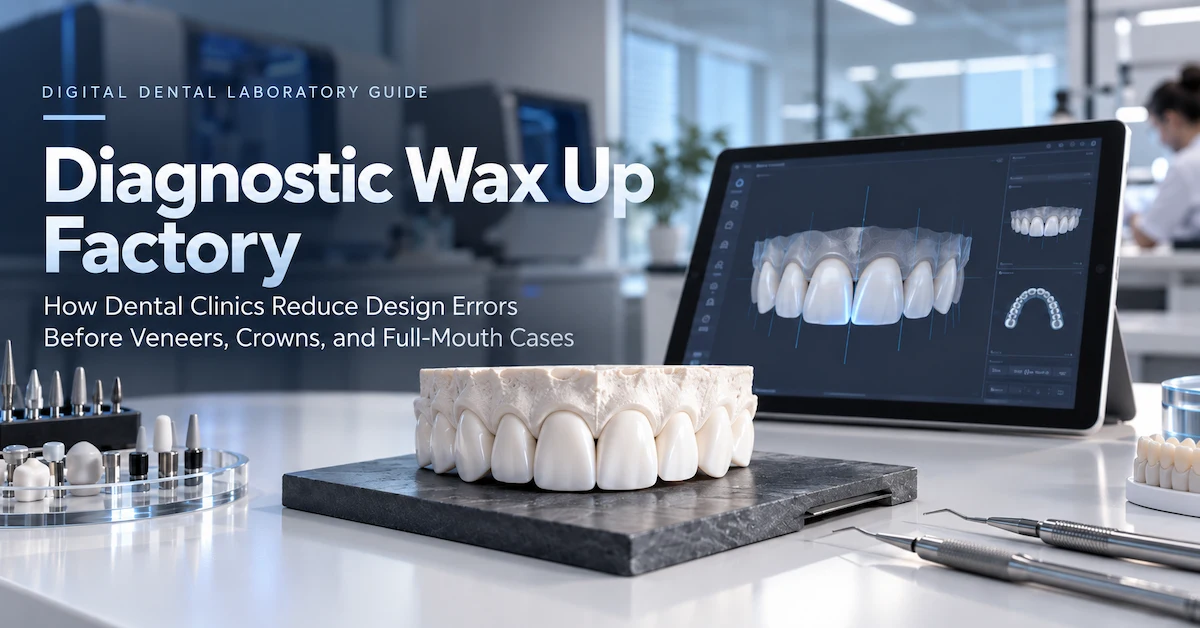
- Whether the case should begin with a diagnostic wax-up
- Whether the final restoration can meet the dentist’s expectation
A digital workflow also helps clinics manage repeat cases. When case files are stored, future remakes, adjustments, or similar smile design cases can be handled more efficiently.
However, digital technology alone is not enough. Veneer cases still require skilled technicians who understand natural tooth shape, ceramic texture, incisal translucency, and shade control.
Material Options for Veneer Cases
Choosing the right material is essential for aesthetic success.
| Material Option | Main Advantage | Best For |
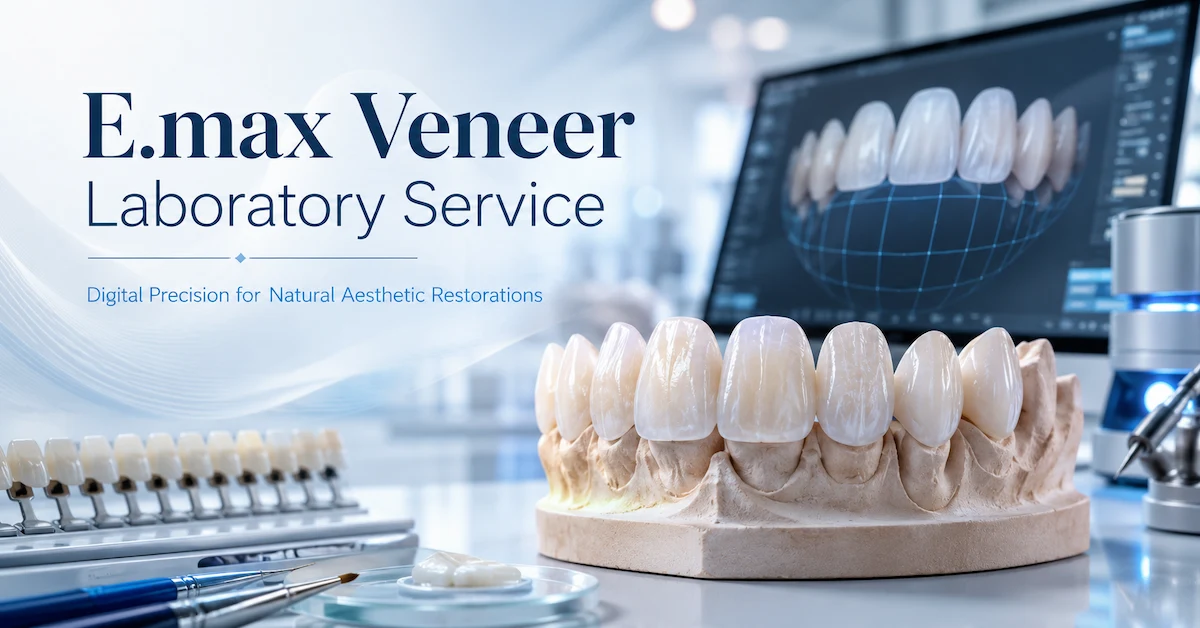
| E.max / lithium disilicate veneers | Natural translucency and strong aesthetic performance | Most anterior cosmetic veneer cases |
| Layered ceramic veneers | High customization for texture and shade | Complex smile design or single-tooth matching |
| Zirconia-based options | Higher strength, lower translucency | Cases requiring more strength or masking |
| Diagnostic wax-ups | Visual planning before final restoration | Multi-unit veneer treatment planning |
For many cosmetic clinics, E.max veneers are a preferred solution because they balance strength and lifelike translucency. But the final choice should depend on preparation depth, underlying tooth color, required opacity, and the patient’s aesthetic goal.
You can view Digilabo’s veneer-related products and diagnostic wax-up categories on the Products page.
What Makes a Veneer Case Successful?
A successful veneer case is not only about the final shade. It depends on the combination of fit, design, ceramic finishing, and communication.
1. Accurate Marginal Fit
If the margin is unclear or poorly adapted, the clinic may need more adjustment. A reliable veneer lab should check margins carefully before production and during QC.
2. Natural Tooth Shape
Veneers should not look flat or oversized. The lab should design line angles, surface contour, incisal edge position, and tooth proportion based on the case.
3. Realistic Shade and Translucency
Patients want natural-looking veneers, not overly white blocks. Shade communication should include photos, shade tabs, lighting notes, and stump shade when needed.
4. Balanced Contact Points
Contact points that are too tight or too open can create seating or hygiene issues. A case-focused lab should check contact strength before shipping.
5. Smooth Occlusion
Even in aesthetic cases, function matters. Veneers should be designed with bite and guidance in mind to reduce adjustment and fracture risk.
6. Final QC Before Delivery
Before shipment, the lab should check margin, fit, contact, shade, surface finish, case details, and final appearance. QC photos can give clinics confidence before the case arrives.
How to Evaluate a Veneers Case Dental Lab
Before choosing a lab partner, clinics should ask practical questions.
| Evaluation Point | Why It Matters | Question to Ask |
| Digital file support | Improves case communication | Do you accept STL/PLY files? |
| Veneer experience | Reduces aesthetic risk | Do you handle single and multi-unit veneer cases? |
| Diagnostic wax-up service | Helps treatment planning | Can you support smile design previews? |
| Material options | Affects strength and appearance | Do you offer E.max veneers? |
| Shade workflow | Reduces mismatch risk | What photos do you need for shade matching? |
| QC process | Reduces remake and adjustment | Do you provide QC photos before shipment? |
| Communication speed | Helps clinic scheduling | How fast can you respond to case questions? |
A low-cost supplier may look attractive at first, but poor communication, unstable fit, or weak shade control can cost the clinic more chairside time later.
Common Problems When a Veneer Case Is Not Managed Well
Veneer case failures often come from incomplete information or poor lab communication.
Common problems include:
- Veneers look too opaque or too bright
- Shape does not match the patient’s smile
- Margins are not clean
- Contact points are difficult to adjust
- Single anterior veneer does not match adjacent teeth
- Multi-unit veneers lack symmetry
- Ceramic thickness is not suitable
- The case needs remake due to unclear expectations
- Delivery delay affects patient appointments
A professional veneers case dental lab helps reduce these risks by reviewing case information early and communicating before production.
How Digilabo Supports Veneer Cases for Global Clinics
Digilabo supports veneer cases for dental clinics, cosmetic dentists, prosthodontists, and dental lab partners.
For veneer case support, Digilabo can provide:
- Digital scan-based workflow
- STL/PLY file review
- CAD/CAM design
- E.max veneer fabrication
- Diagnostic wax-ups
- Custom shade communication
- Ceramic staining and glazing
- Surface texture finishing
- QC inspection
- International shipping support
Digilabo’s About Us page gives more information about the lab’s production scale, technical team, equipment, and material standards. Clinics can also explore more technical and product topics on the Digilabo Blog.
Veneer Case Submission Checklist for Clinics
Use this checklist before submitting a veneer case.
| Item | Recommended Detail |
| Digital scans | Upper arch, lower arch, bite record |
| Prescription | Material, units, design notes |
| Photos | Smile, retracted view, shade tab photos |
| Shade details | Final shade, stump shade if needed |
| Preparation notes | Margin clarity and reduction information |
| Design request | Shape, length, texture, incisal style |
| Diagnostic wax-up | Request if patient approval is needed |
| Delivery plan | Appointment date and expected turnaround |
| Special concerns | Dark stump, old veneers, asymmetry, spacing |
Complete case submission helps the lab produce a more predictable restoration and helps the clinic reduce adjustment time.
FAQ About Veneers Case Dental Lab
1. What is a veneers case dental lab?
A veneers case dental lab is a dental laboratory that supports complete veneer cases, including digital file review, CAD design, material selection, fabrication, finishing, QC, and delivery.
2. What should clinics send for a veneer case?
Clinics should send STL/PLY scans, bite record, digital prescription, shade photos, smile photos, stump shade if needed, material preference, and design notes.
3. Why are photos important for veneer cases?
Photos help the lab understand tooth color, smile line, midline, facial reference, texture, and patient expectations. They are especially important for single anterior veneer cases.
4. When should a clinic request a diagnostic wax-up?
A diagnostic wax-up is useful for multi-unit smile design, patient approval, treatment planning, and cases where the final shape needs to be previewed before fabrication.
5. What material is commonly used for veneer cases?
E.max or lithium disilicate is commonly used because it offers natural translucency and strong aesthetic performance. The best material depends on clinical requirements.
6. Can Digilabo handle digital veneer cases?
Yes. Digilabo supports digital veneer case submission, CAD/CAM design, E.max veneers, diagnostic wax-ups, ceramic finishing, QC, and international dental lab services.
7. How can clinics reduce veneer remake risk?
Clinics can reduce remake risk by sending complete scans, clear photos, accurate shade information, bite records, and specific design expectations before production begins.
8. Where can clinics learn more about Digilabo’s dental lab services?
Clinics can visit Digilabo Dental Laboratory, review the Products page, or check the Service and FAQ page.
Conclusion
A successful veneer case depends on more than a beautiful ceramic surface. It requires clear clinical information, digital workflow, accurate design, natural shade matching, skilled finishing, and strict quality control.
For cosmetic clinics, choosing the right veneers case dental lab can improve case predictability, reduce chairside adjustment, and support better patient satisfaction.
Digilabo provides veneer case support for global clinics through digital file review, CAD/CAM design, E.max veneer fabrication, diagnostic wax-ups, ceramic finishing, QC, and international delivery. If your clinic needs a reliable dental lab partner for veneer cases, Digilabo can help you manage aesthetic cases with a clearer and more efficient workflow.