
When Crown Success Requires Both Aesthetics and Structural Precision
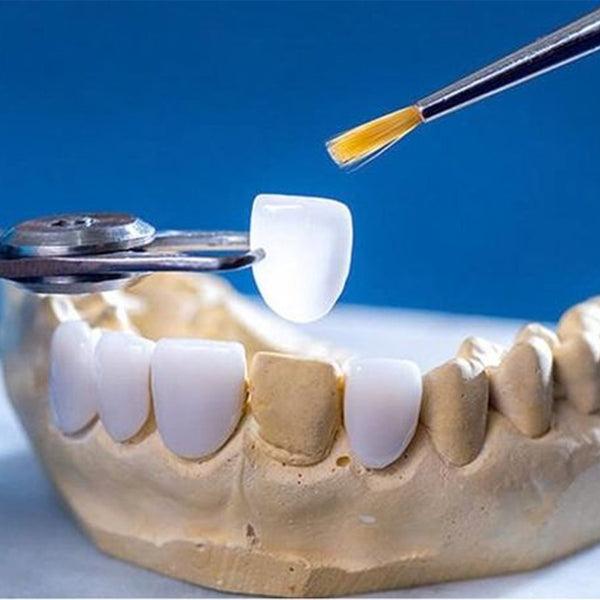
In modern restorative dentistry, ceramic crowns are increasingly used in cases where aesthetics and biological compatibility are critical. However, achieving a natural appearance while maintaining accurate fit and occlusal stability depends not only on material selection but also on precise manufacturing control.
Inconsistent translucency, marginal discrepancies, or occlusal imbalance often result from variations in ceramic processing, layering techniques, or digital design accuracy.
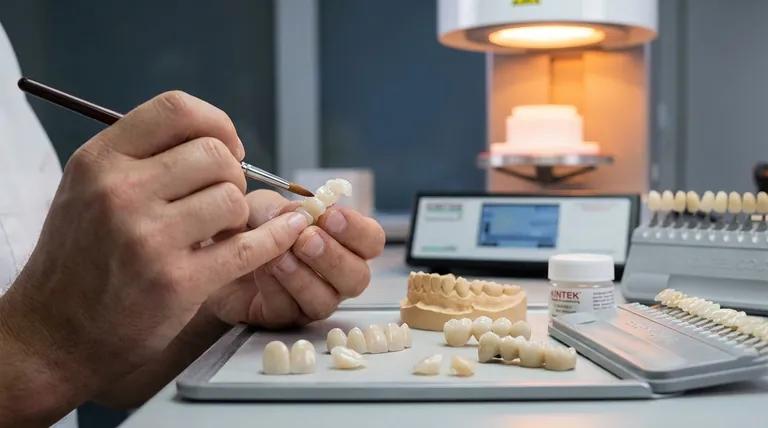
A professional ceramic crown dental lab focuses on integrating digital workflows, material science, and controlled manufacturing processes to ensure that ceramic restorations meet both functional and aesthetic requirements. At Digilabo, ceramic crown production is standardized through CAD/CAM systems, calibrated firing cycles, and detailed finishing protocols to deliver consistent results across cases.
What Defines a High-Quality Ceramic Crown Dental Lab
Ceramic crown production requires precise coordination between digital design and material behavior.
A reliable ceramic crown dental lab should provide:
- Case-specific CAD design with margin precision
- Controlled ceramic layering or monolithic milling
- Consistent firing cycles for color stability
- Accurate occlusion and contact control
- Quality inspection for aesthetic and functional balance
Unlike purely functional restorations, ceramic crowns must replicate natural tooth appearance while maintaining structural integrity.
Materials Used in Ceramic Crown Production
Ceramic crowns include several material types, each suited to different clinical scenarios.
At Digilabo, commonly used ceramic materials include:
- Lithium disilicate for anterior aesthetics
- Layered zirconia for combined strength and translucency
- Monolithic zirconia for posterior durability
- Glass ceramics for high translucency cases
Ceramic Crown Material Comparison
| Material | Strength Range | Translucency | Typical Application |
|---|---|---|---|
| Lithium Disilicate | 360–400 MPa | High | Anterior crowns |
| Layered Zirconia | 700–900 MPa | Medium-High | Esthetic + strength |
| Monolithic Zirconia | 900–1200 MPa | Medium | Posterior crowns |
| Glass Ceramic | Lower | Very high | Cosmetic restorations |
Key Processing Factors
- Firing temperature consistency affects shade accuracy
- Layer thickness influences translucency and strength
- Milling precision impacts marginal fit
- Finishing techniques affect surface texture and wear
Even small variations can lead to visible differences in final restorations.
Why Clinics Choose Ceramic Crown Dental Labs
Ceramic crowns are often selected for patients with high aesthetic expectations.
Clinics prefer ceramic crown labs for:
- Natural tooth-like appearance
- High biocompatibility
- Metal-free restorations
- Improved patient satisfaction in visible areas
However, these advantages depend on consistent production quality.
A reliable ceramic crown dental lab ensures:
- Repeatable shade matching
- Stable marginal fit
- Reduced need for aesthetic remakes
- Predictable clinical outcomes
Ceramic vs PFM vs Zirconia Crowns
| Factor | Ceramic Crowns | PFM Crowns | Zirconia Crowns |
|---|---|---|---|
| Aesthetics | High | Moderate | Medium-High |
| Strength | Moderate | High | Very High |
| Biocompatibility | Excellent | Good | Excellent |
| Longevity | 8–12 years | 10–15 years | 10–15+ years |
Ceramic crowns offer the best aesthetics, but require precise processing to ensure durability.
Case Insight: Improving Aesthetic Outcomes in Anterior Crowns
A cosmetic dental clinic faced repeated issues with anterior restorations that appeared slightly opaque or mismatched in shade.
After switching to Digilabo:
- Lithium disilicate was selected for improved translucency
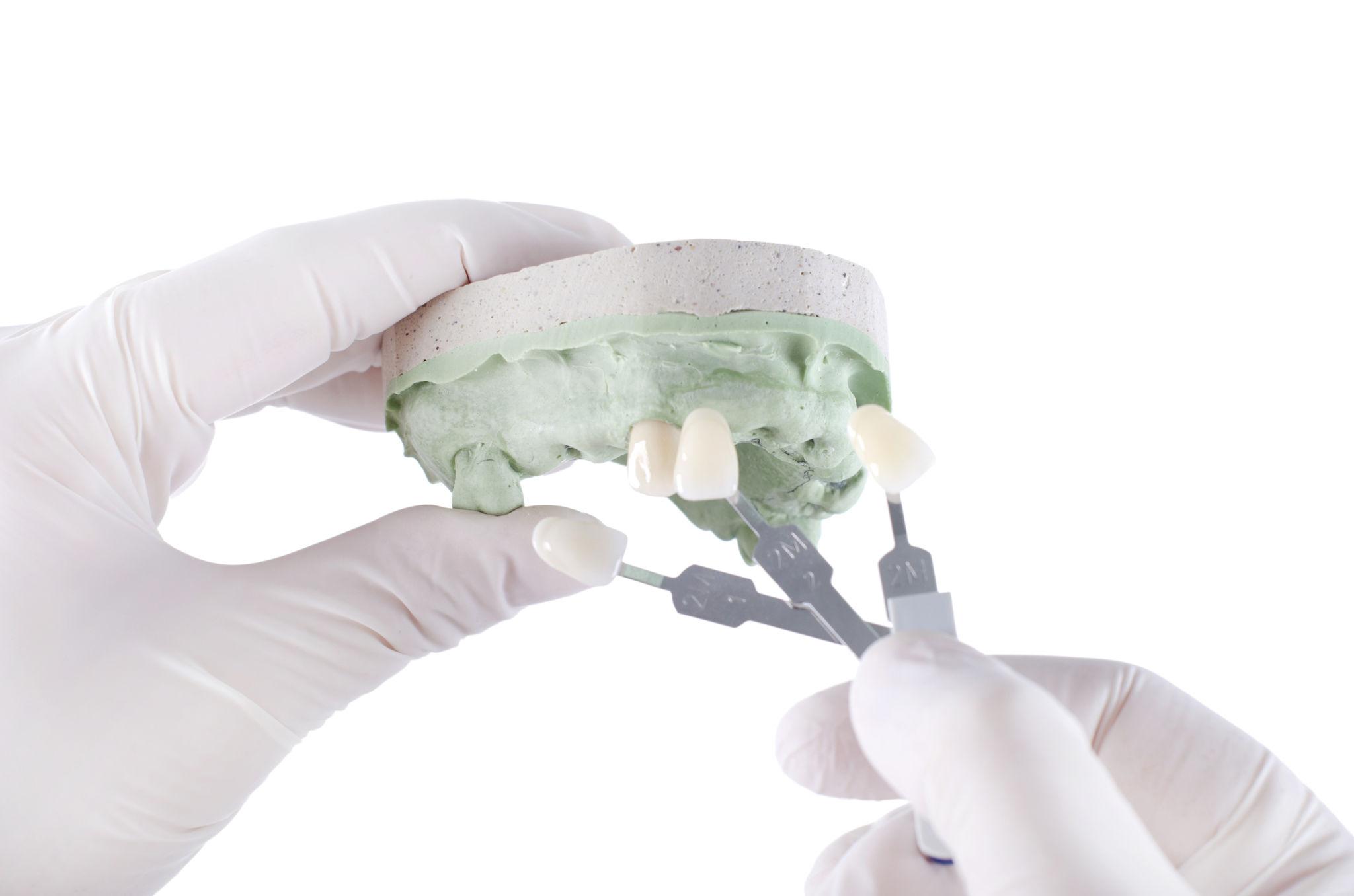
- Digital shade mapping was applied
- Firing cycles were carefully calibrated
Within several cases:
- Shade matching improved significantly
- Remake requests decreased
- Patient satisfaction increased
The improvement came from controlled ceramic processing and design precision.
How a Ceramic Crown Dental Lab Supports Long-Term Results
Ceramic crowns must maintain both appearance and function over time.
A professional ceramic crown lab supports this by:
- Ensuring consistent material properties
- Maintaining accurate marginal fit
- Controlling occlusion and wear patterns
- Delivering stable aesthetic results
Because long-term success depends on both visual integration and functional stability.
Q&A
Q: What is a ceramic crown dental lab?
A: A lab specializing in metal-free ceramic restorations designed for aesthetics and biocompatibility.
Q: Are ceramic crowns durable?
A: Yes, when properly manufactured. Material selection and processing control are critical.
Q: Why do ceramic crowns sometimes look unnatural?
A: This is often due to poor translucency control, incorrect layering, or inconsistent firing processes.
Working With Digilabo as Your Ceramic Crown Dental Lab
Digilabo provides ceramic crown solutions through digital design, advanced material selection, and controlled manufacturing workflows to ensure both aesthetic and functional success.
Learn about our labs and technical capabilities:
https://www.aspendentallabs.com/about-us
View complete repair products and services:
https://www.aspendentallabs.com/products
Excellent ceramic restoration is more than just aesthetically pleasing.
It requires stability, precision, and repeatability.