
When Cosmetic Veneers Must Look Invisible, Not Manufactured
In cosmetic dentistry, veneers succeed when patients stop noticing them as restorations. The challenge is not simply making teeth whiter or more symmetrical—it is reproducing the translucency, texture, edge definition, and natural light behavior of real enamel.
Many cosmetic veneer failures are subtle rather than structural. A veneer may technically fit well, yet still appear flat, opaque, overly bright, or disconnected from surrounding teeth. These visual inconsistencies often result from generalized production workflows rather than true aesthetic customization.
A professional cosmetic veneers lab focuses on controlling every optical and surface detail that influences how veneers appear in real clinical conditions.
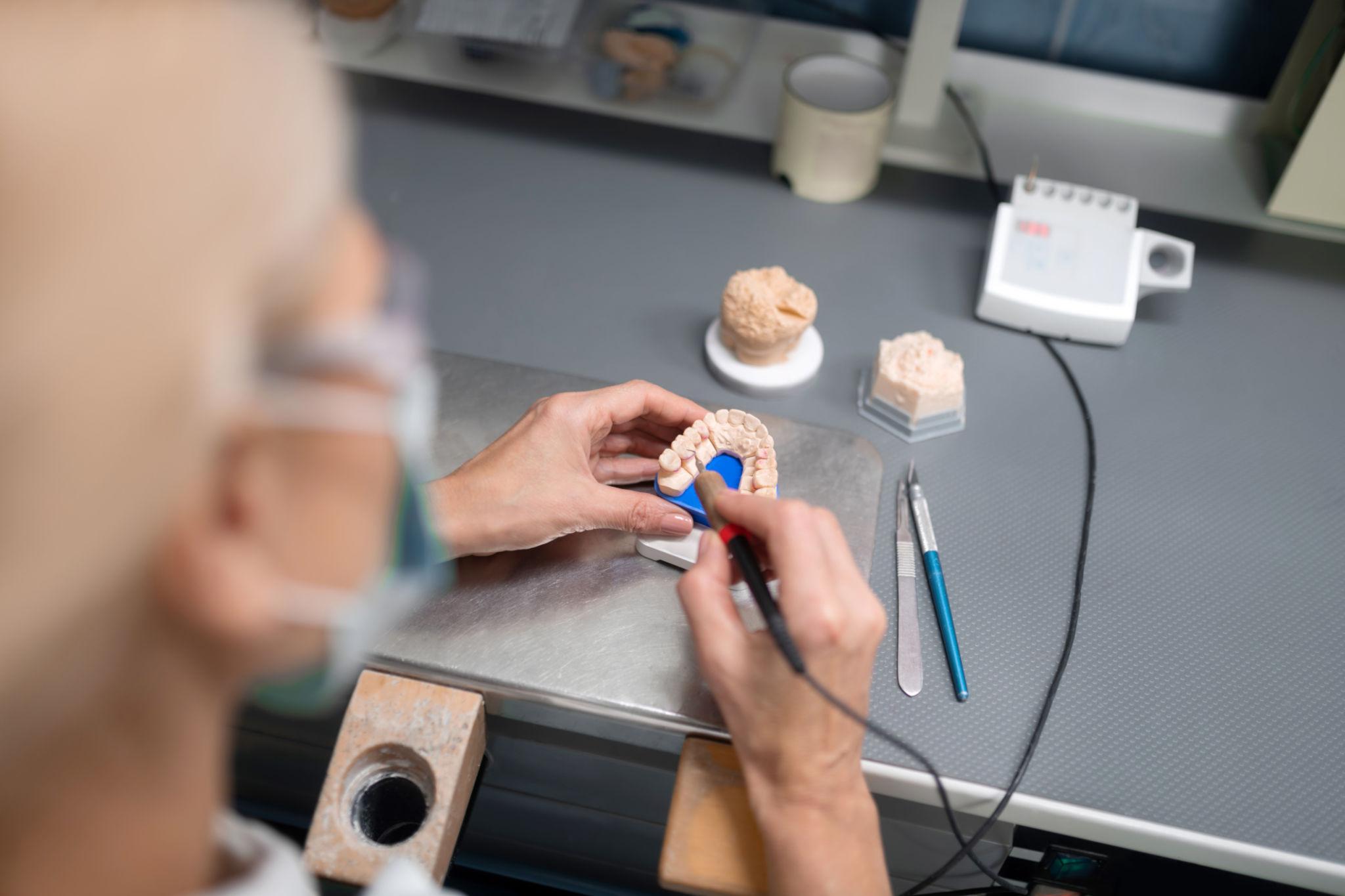
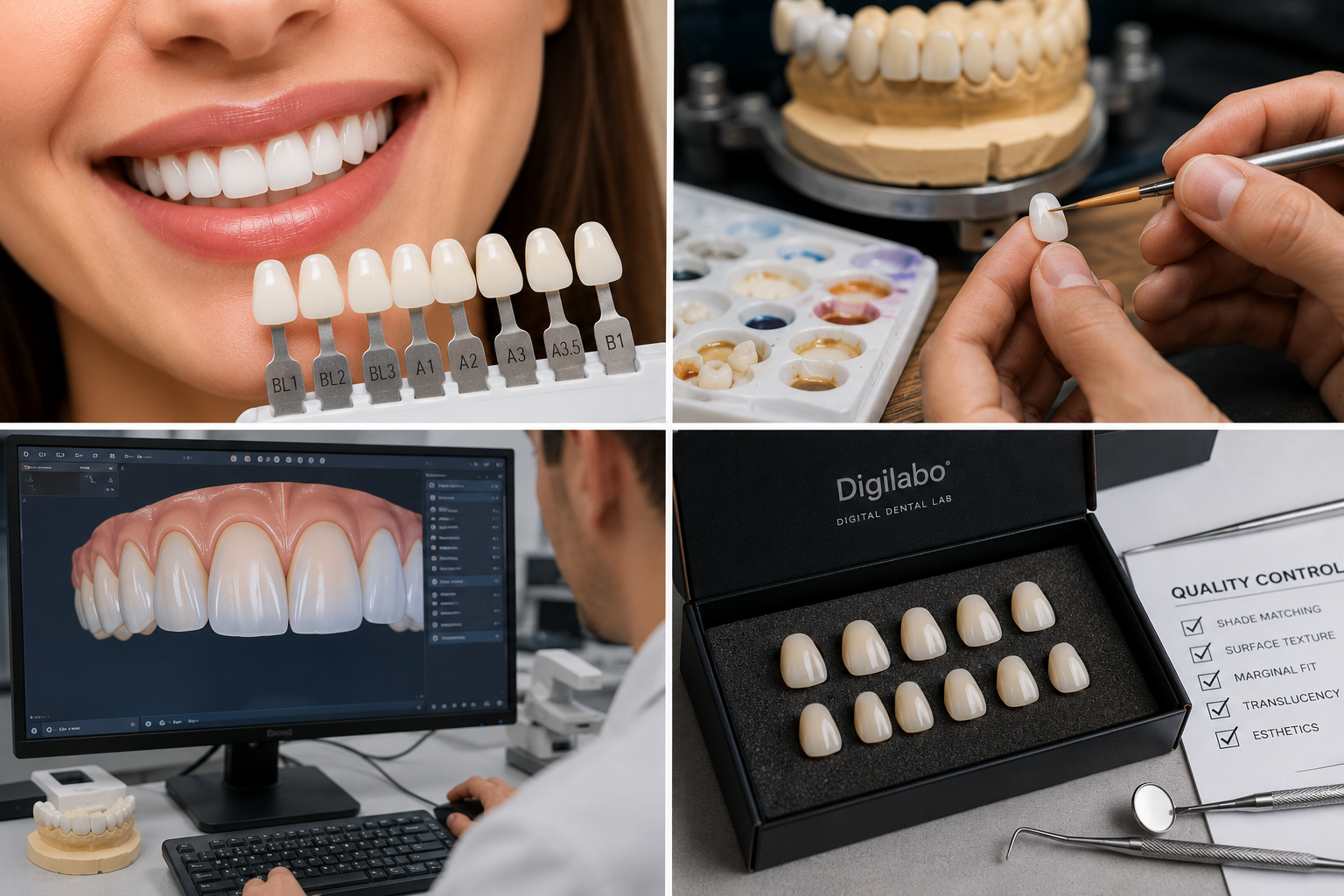
At Digilabo, cosmetic veneer production combines digital smile design, ceramic layering techniques, CAD/CAM precision, and controlled finishing protocols to achieve restorations that integrate naturally into the patient’s smile.
What Defines a Professional Cosmetic Veneers Lab
Cosmetic veneer manufacturing requires significantly more aesthetic control than standard restorative workflows.
A qualified cosmetic veneers lab should provide:
- Digital smile simulations before production
- Customized translucency and shade characterization
- Surface texture refinement for natural reflection
- Precise edge contour and emergence profile control
- High-accuracy fit for conservative tooth preparation
Because cosmetic restorations are viewed under direct natural light, even minor inconsistencies can become highly visible.
Materials Used in Cosmetic Veneer Manufacturing
Material selection directly affects aesthetic realism.
At Digilabo, cosmetic veneers commonly include:
- Lithium disilicate veneers for natural translucency
- Feldspathic porcelain veneers for advanced smile design
- Layered ceramic veneers for individualized characterization
- Hybrid ceramics for selected conservative applications
Cosmetic Veneer Material Comparison
| Material | Aesthetic Performance | Strength Range | Typical Use |
|---|---|---|---|
| Lithium Disilicate | High | 360–400 MPa | Premium veneers |
| Feldspathic Porcelain | Very high | Lower | Ultra-aesthetic cases |
| Layered Ceramic | High | Medium | Customized smile design |
| Hybrid Ceramic | Medium | 150–200 MPa | Conservative restorations |
Key Aesthetic Variables
- Ceramic layering depth influences translucency
- Surface texture affects light reflection
- Firing protocols determine shade stability
- Edge finishing impacts natural enamel integration
Cosmetic veneers require optical balance—not just color matching.
Why Clinics Choose Specialized Cosmetic Veneers Labs
As patient expectations rise, many cosmetic clinics move away from generalized production labs and work with dedicated cosmetic veneer specialists.
Common reasons include:
- Need for more natural smile integration
- Reducing aesthetic remake cases
- Better communication during smile design planning
- Higher consistency in anterior restorations
A reliable cosmetic veneers lab supports clinics through:
- Customized ceramic characterization
- Advanced digital smile workflows
- Stable aesthetic production standards
- Predictable veneer delivery outcomes
Because in cosmetic dentistry, visual realism often determines patient satisfaction more than structural performance alone.
Standard Veneer Workflow vs Cosmetic Veneer Workflow
| Workflow Factor | Standard Veneer Production | Cosmetic Veneers Workflow |
|---|---|---|
| Shade matching | Basic | Advanced digital mapping |
| Surface texture | Standard | Customized |
| Translucency control | Moderate | High precision |
| Smile design integration | Limited | Comprehensive |
| Aesthetic remake rate | 6–10% | 2–4% |
A cosmetic-focused workflow significantly improves aesthetic consistency.
Case Insight: Improving Smile Acceptance in High-End Veneer Cases
A cosmetic dental clinic reported that several anterior veneer cases technically fit well but lacked natural visual integration under daylight conditions.
After partnering with Digilabo:
- Digital smile previews improved treatment planning
- Layered ceramic techniques enhanced translucency depth
- Surface micro-texture customization improved realism
Within several smile design cases:
- Patient approval rates increased significantly
- Veneer remake requests decreased
- Chairside delivery adjustments became minimal
The improvement resulted from aesthetic workflow control and ceramic customization, not simply using a different material.
How a Cosmetic Veneers Lab Supports Long-Term Aesthetic Stability
Aesthetic veneers must remain visually stable over time.
A professional cosmetic veneers lab supports this by:
- Maintaining shade consistency across cases
- Controlling ceramic surface polish and wear
- Preserving translucency stability after firing
- Delivering accurate marginal adaptation
Because successful cosmetic restorations should continue looking natural years after placement.
Q&A
Q: What does a cosmetic veneers lab provide?
A: A cosmetic veneers lab designs and manufactures highly aesthetic veneer restorations focused on natural smile integration.
Q: Which material is most commonly used for cosmetic veneers?
A: Lithium disilicate is widely used because it offers strong translucency and aesthetic stability.
Q: Why do some veneers appear artificial?
A: Poor translucency control, inaccurate layering, and overly smooth surface finishing are common causes.
Working With Digilabo as Your Cosmetic Veneers Lab
Digilabo provides cosmetic veneer solutions through digital smile design, advanced ceramic layering, and controlled manufacturing workflows designed for natural aesthetic outcomes.
Learn about our labs and technical capabilities:
https://www.aspendentallabs.com/about-us
View complete restoration solutions:
https://www.aspendentallabs.com/products
Truly excellent aesthetic finishes are not just about making the surface whiter.
Instead, the goal is to make the restoration look like part of a natural tooth.