
When Standardized Crowns No Longer Meet Clinical Expectations
As restorative dentistry becomes increasingly digital, many clinics are discovering that standardized crown workflows often fail to address the variability of real clinical cases. Small differences in occlusion, tooth preparation, gingival contour, and patient-specific bite conditions can significantly affect the final result.
In many situations, repeated chairside adjustments, inconsistent contacts, or aesthetic mismatches are not caused by clinical preparation alone. They are frequently linked to crown designs that were produced using generalized workflows rather than case-specific customization.
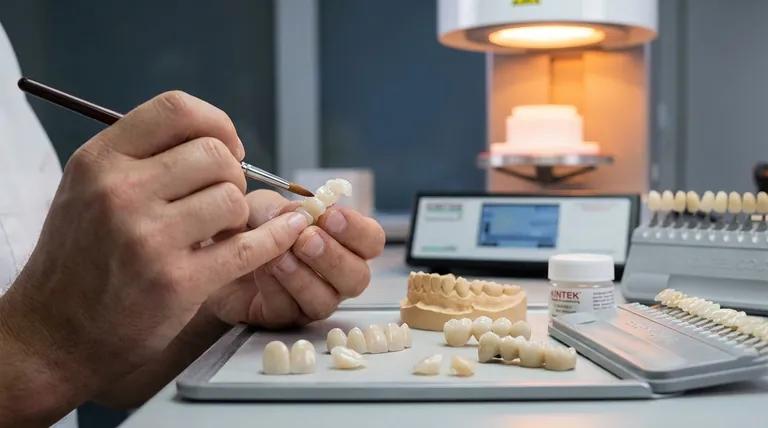
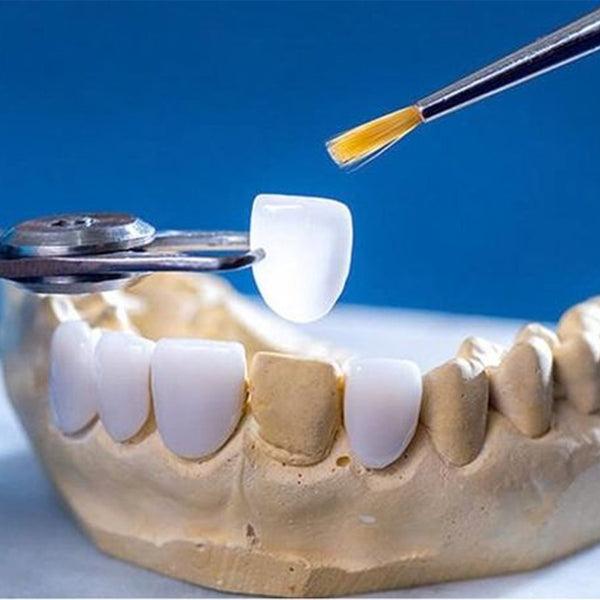
A professional custom crown dental lab focuses on adapting each restoration to the individual clinical situation rather than forcing cases into standardized production templates.
At Digilabo, custom crown production integrates digital impression analysis, CAD/CAM design customization, occlusion simulation, and controlled manufacturing protocols to improve fit consistency, aesthetic integration, and long-term restorative performance.
What Defines a Custom Crown Dental Lab
Customization in crown manufacturing is not simply about shape variation.
A true custom crown workflow includes:
- Individual margin analysis
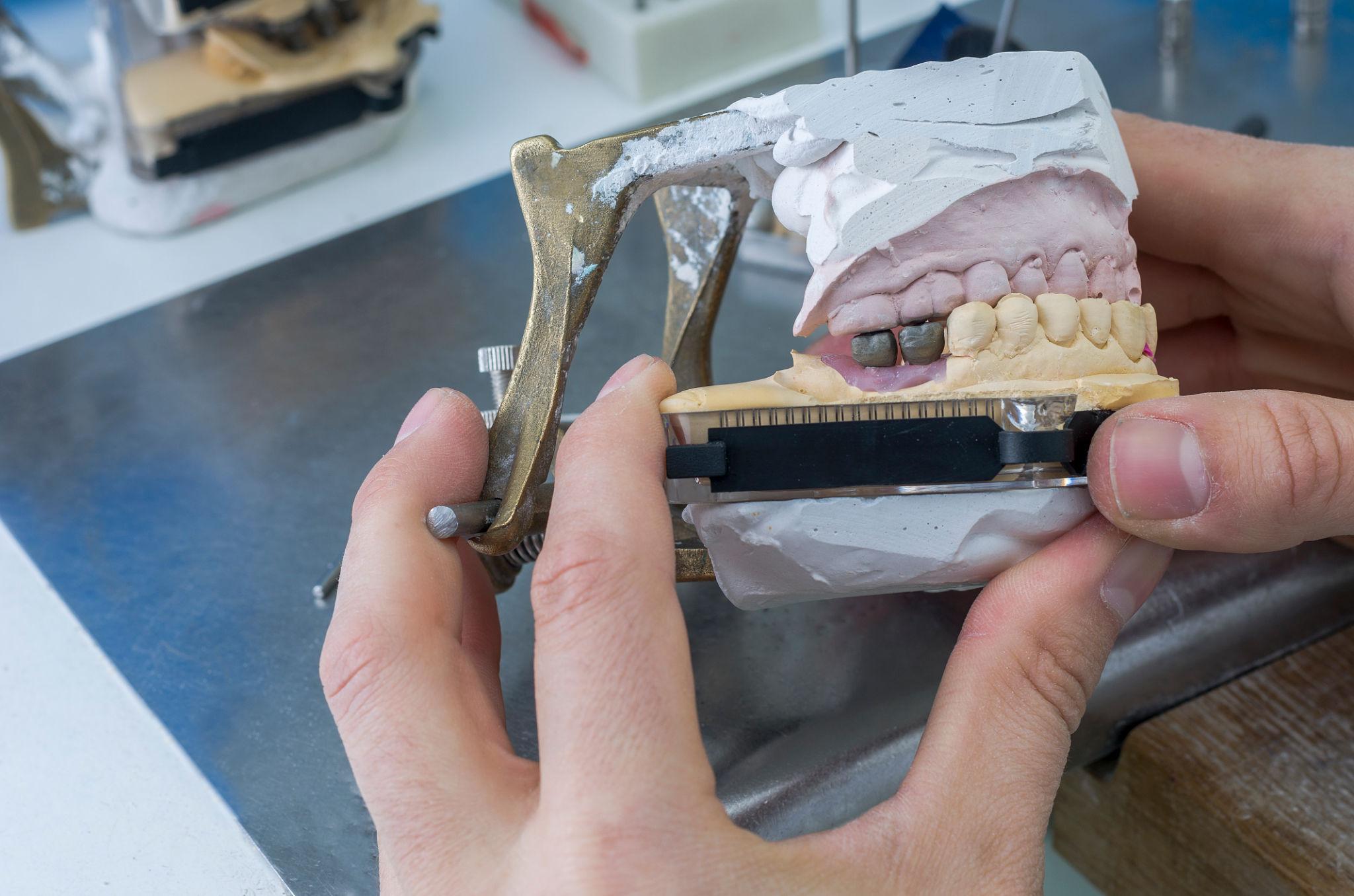
- Patient-specific occlusion adjustment
- Customized contact point control
- Material selection based on clinical indication
- Shade adaptation for surrounding dentition
Unlike mass-production approaches, a custom crown dental lab treats every case as a separate functional and aesthetic system.
Materials and Workflow Flexibility in Custom Crown Production
Different cases require different material strategies.
At Digilabo, customized crown production commonly includes:
- Monolithic zirconia for high-load posterior restorations
- Layered zirconia for aesthetic anterior cases
- Lithium disilicate for high translucency requirements
- PFM crowns for durability-focused applications
Custom Crown Material Comparison
| Material | Strength Range | Best Use | Customization Focus |
|---|---|---|---|
| Monolithic Zirconia | 900–1200 MPa | Posterior durability | Occlusion precision |
| Layered Zirconia | 700–900 MPa | Esthetic restorations | Shade layering |
| Lithium Disilicate | 360–400 MPa | Anterior aesthetics | Translucency matching |
| PFM | 700–900 MPa | Long-span stability | Structural fit |
Key Workflow Variables
- Occlusal simulation affects adjustment time
- Margin accuracy impacts long-term stability
- Shade mapping improves aesthetic integration
- Surface finishing influences wear patterns
Even small customization differences can noticeably improve clinical outcomes.
Why Clinics Choose Custom Crown Dental Labs
Many clinics move toward customized crown workflows after experiencing recurring issues with standardized restorations.
Common challenges include:
- Tight or open contacts
- Excessive chairside adjustments
- Crowns that appear visually unnatural
- Inconsistent fit across cases
A reliable custom crown dental lab helps reduce these variables through:
- Case-specific digital workflows
- Personalized design adjustments
- Consistent communication between clinic and lab
- Controlled manufacturing systems
Customization improves predictability because the crown is designed around the patient—not around production convenience.
Standard Crown Workflow vs Custom Crown Workflow
| Workflow Factor | Standard Production | Custom Crown Workflow |
|---|---|---|
| Design approach | Template-based | Case-specific |
| Occlusion adjustment | Generalized | Personalized |
| Aesthetic integration | Moderate | High |
| Chairside adjustment | 10–15 min | 3–6 min |
| Remake rate | 5–8% | 2–3% |
Customization reduces variability, which is one of the main causes of restorative inefficiency.
Case Insight: Reducing Adjustment Time Through Customized Design
A clinic handling aesthetic and posterior restorative cases experienced inconsistent crown fit from previous suppliers. While the crowns were technically acceptable, many required occlusal adjustment and contact modification during delivery appointments.
After partnering with Digilabo:
- CAD designs were customized based on patient occlusion
- Digital contact analysis was applied before production
- Shade mapping improved visual integration
Within several months:
- Chairside adjustment time reduced by approximately 45%
- Remake frequency decreased
- Crown acceptance during delivery improved significantly
The improvement was not due to a new material.
It came from workflow customization and precision control.
How a Custom Crown Dental Lab Supports Long-Term Outcomes
A customized workflow improves more than immediate fit.
A professional custom crown dental lab supports long-term success by:
- Improving occlusal balance
- Reducing localized stress concentration
- Enhancing aesthetic consistency
- Supporting stable marginal adaptation over time
Because long-term restorative success depends on how accurately the crown integrates into the patient’s functional system.
Q&A
Q: What is a custom crown dental lab?
A: A dental lab that designs and manufactures crowns using case-specific workflows rather than generalized production templates.
Q: Why do customized crowns fit better?
A: Because the design is adjusted according to the patient’s occlusion, anatomy, and aesthetic requirements.
Q: Does customization increase turnaround time?
A: Not necessarily. Modern CAD/CAM systems allow customized production while maintaining efficient workflows.
Working With Digilabo as Your Custom Crown Dental Lab
Digilabo provides customized crown solutions through digital workflows, CAD/CAM precision manufacturing, and controlled material processing designed to improve restorative predictability.
Learn about our labs and technical capabilities:
https://www.aspendentallabs.com/about-us
View complete restoration solutions:
https://www.aspendentallabs.com/products
Truly stable repairs do not come from standardized templates, but from precise adaptation to each individual case.