
When Crown Adjustments Keep Interrupting Your Clinic Schedule
Every dentist has experienced it.
A crown arrives from the lab.
You try it in.
Something feels slightly off.
The margin looks acceptable, yet the occlusion needs adjustment. The contact point feels tight. Five minutes pass… then ten. What should have been a routine delivery begins to eat into chair time.
These small interruptions accumulate. Over a week, they can reshape the workflow of an entire clinic.
Reliable dental lab services exist to prevent this situation from happening repeatedly. When the laboratory understands both digital manufacturing and real clinical conditions, restorations tend to fit more predictably. Less chairside grinding. Fewer remakes. A smoother appointment schedule.
At Digilabo, our technicians approach every case with this practical goal in mind: restorations should arrive ready to work in the mouth—not waiting to be corrected there.
Professional associations increasingly emphasize this shift toward digital precision. The American Dental Association notes that digital workflows and CAD/CAM systems are improving restoration accuracy and treatment efficiency across modern dental practices.
https://www.ada.org
The Materials and Manufacturing Decisions That Quietly Shape Every Restoration
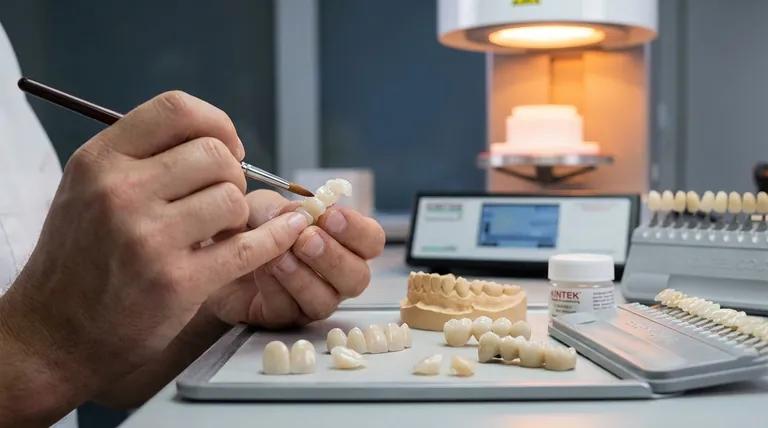
Behind every crown, veneer, or implant restoration sits a chain of technical decisions. Most patients never see it. Dentists, however, notice the results immediately.
Material selection is one of the first critical steps. Laboratories typically work with several core materials:
-
Zirconia ceramics
-
Lithium disilicate ceramics
-
Hybrid ceramic materials
-
Glass ceramics
-
Acrylic resins for removable prosthetics
Each material brings different strengths.
Zirconia is widely used for posterior crowns because its flexural strength often exceeds 1000 MPa, making it highly resistant to chewing forces. Lithium disilicate, by contrast, is valued for anterior aesthetics because its translucency better mimics natural enamel.
The manufacturing process matters just as much as the material itself.
Modern digital labs combine several technologies:
-
CAD restoration design
-
CAM milling machines
-
ceramic sintering furnaces
-
digital occlusion simulation
-
multi-stage finishing and inspection
Research communities such as the International Association for Dental Research have repeatedly highlighted how digital manufacturing is reshaping restorative dentistry by improving reproducibility and accuracy.
https://www.iadr.org
Why Experience Still Matters Even in a Digital Laboratory
Technology helps. Experience decides.
A dental laboratory might own advanced milling machines, but that alone does not guarantee predictable restorations. Clinical reality introduces complexity—occlusal variations, implant positioning differences, shade interpretation, and margin behavior.
Technicians who regularly handle real cases begin to recognize patterns.
They know when a design needs adjustment before milling.
They know when contact points might be too tight.
They know how different materials behave after sintering.
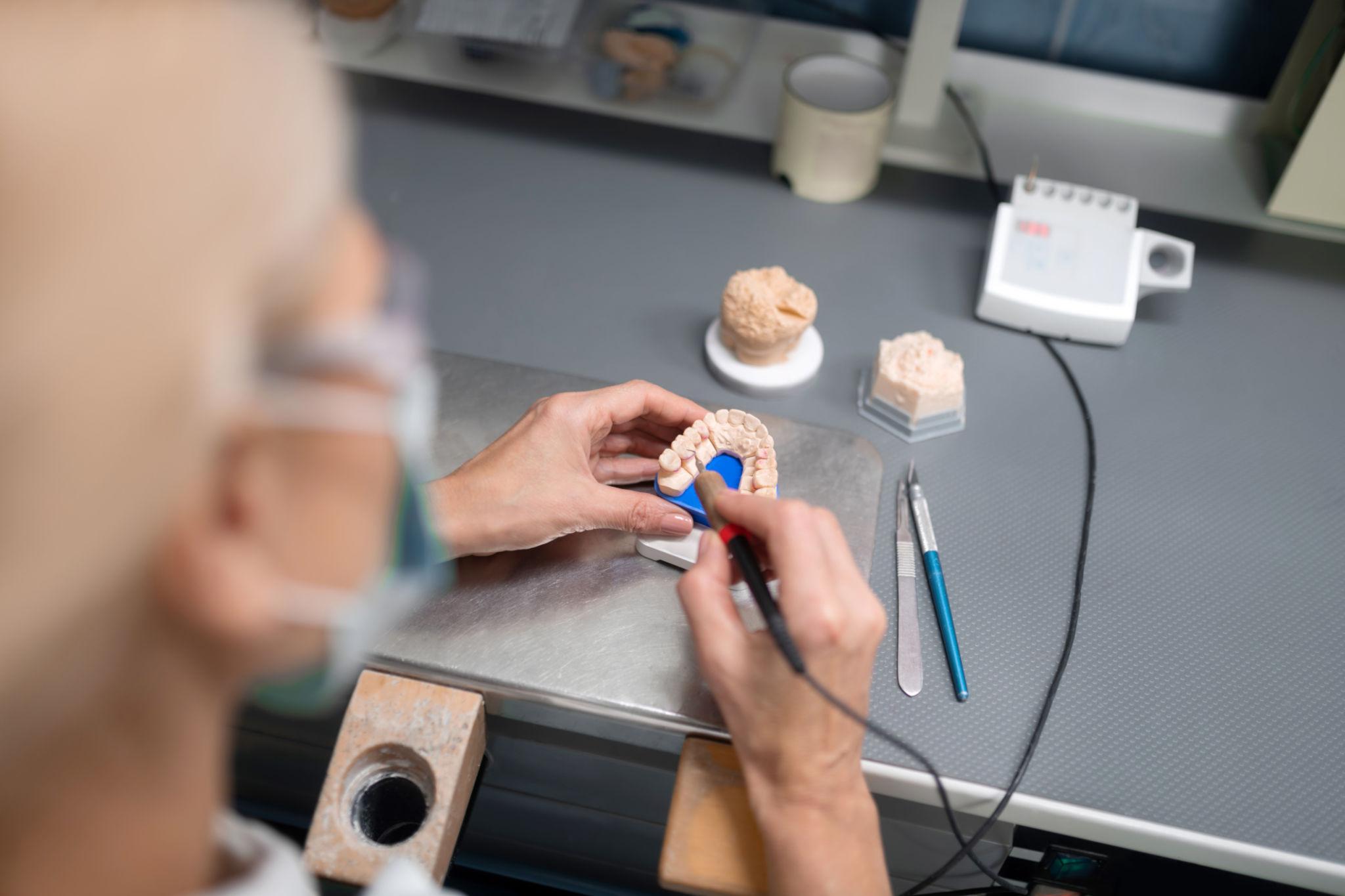
Dentists often choose labs like Digilabo because they want that practical judgment behind the technology.
Our technicians support clinics with a wide range of restorations:
-
crown and bridge restorations
-
cosmetic veneers
-
implant prosthetics
-
removable dentures
-
orthodontic appliances
This diversity of cases builds a deeper understanding of clinical workflows. And that understanding often makes the difference between an acceptable restoration and a predictable one.
Core Dental Lab Services That Support Everyday Dental Treatment
Most clinics rely on laboratories for a variety of restorative and appliance solutions. Each category carries its own technical demands.
Crown and Bridge Restorations
Crowns and bridges remain among the most common reasons dentists work with laboratories.
Typical solutions include:
-
zirconia crowns
-
PFM crowns
-
ceramic bridges
-
layered ceramic restorations
-
full-cast restorations
Digital occlusion analysis allows technicians to simulate contacts before milling begins. The result? Fewer surprises during delivery.
Veneers and Aesthetic Restorations
Cosmetic dentistry is driven by visual outcomes.
Patients notice shade, translucency, contour—sometimes instantly.
Laboratories therefore provide services such as:
-
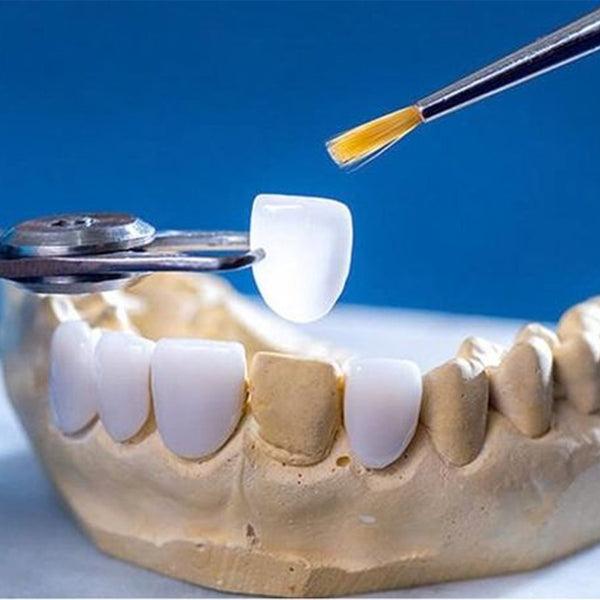
porcelain veneers
-
lithium disilicate veneers
-
digital smile design wax-ups
-
diagnostic aesthetic simulations
A well-designed veneer case often begins long before fabrication. It begins with planning.
Implant Restorations
Implant restorations require extreme precision.
A small misalignment can cause seating problems or occlusal complications. Laboratories rely on digital implant libraries and CAD systems to design restorations compatible with major implant platforms.
Common implant solutions include:
-
implant crowns
-
implant bridges
-
custom abutments
-
implant-supported dentures
Removable Prosthetics
Despite advances in fixed restorations, removable dentures remain essential.
Laboratory services include:
-
full dentures
-
partial dentures
-
acrylic dentures
-
metal framework dentures
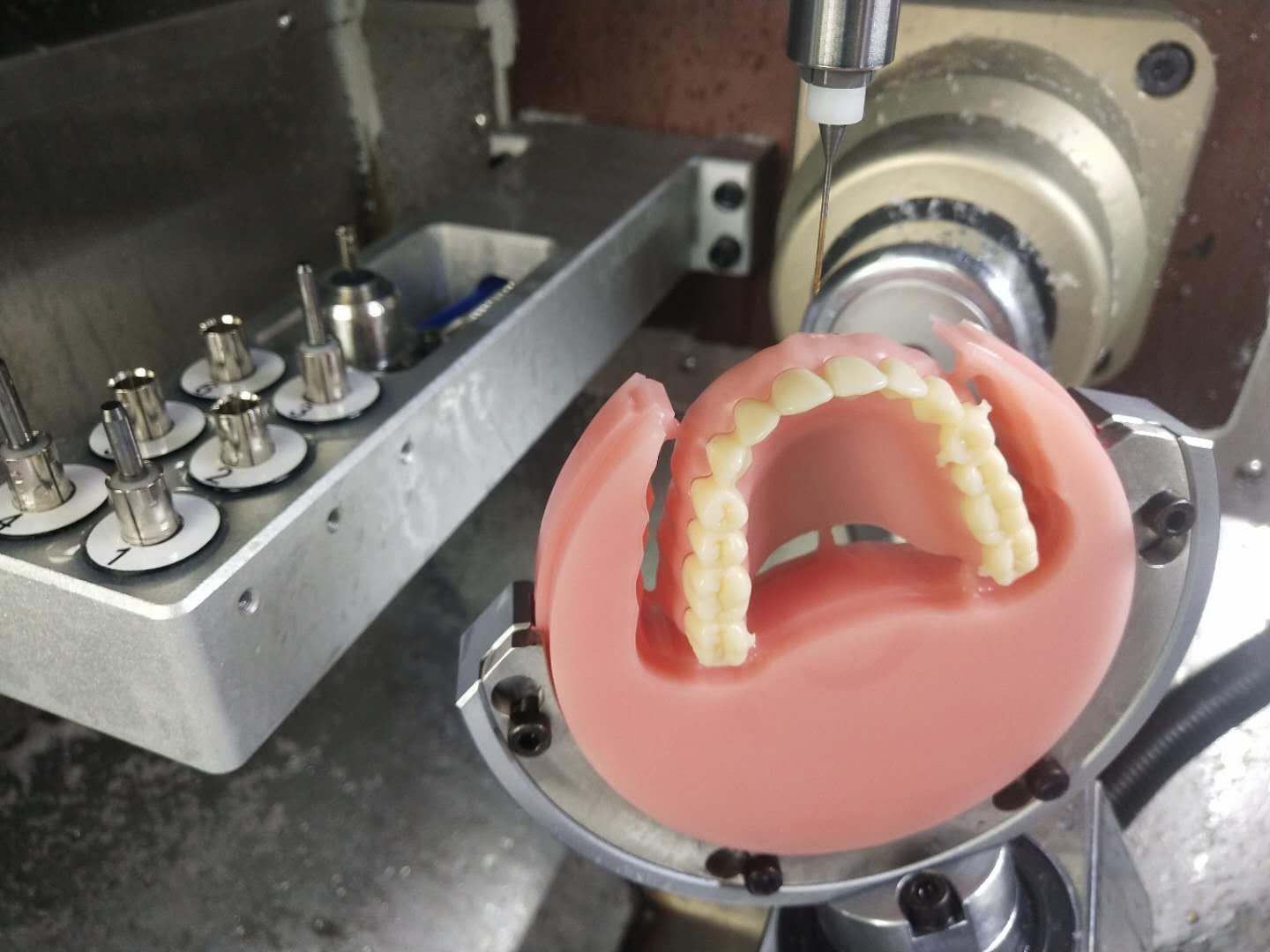
Digital denture design helps laboratories improve repeatability and reduce inconsistencies that once occurred in manual workflows.
Orthodontic and Functional Appliances
Orthodontic appliances require a balance of comfort and durability.
Typical products include:
-
retainers
-
bite splints
-
sports mouthguards
-
anti-snoring devices
-
palatal expanders
These appliances may appear simple, yet their performance often depends on subtle design adjustments.
Restoration Materials Compared in Clinical Use
| Material | Typical Strength | Common Use | Estimated Longevity |
|---|---|---|---|
| Zirconia | 900–1200 MPa | Posterior crowns and bridges | 10–15 years |
| Lithium Disilicate | 360–400 MPa | Veneers and anterior crowns | 10+ years |
| Hybrid Ceramic | 150–200 MPa | Conservative restorations | 8–10 years |
| PFM | 700–900 MPa | Crowns and bridges | 10–15 years |
| Acrylic | Lower strength | Dentures | 5–8 years |
Digital Dental Labs vs Traditional Workflows
| Performance Indicator | Traditional Lab | Digital Lab |
|---|---|---|
| Remake rate | 6–8% | 2–3% |
| Crown adjustment time | 10–15 minutes | 3–5 minutes |
| Average turnaround | 10–14 days | 5–7 days |
| Impression accuracy | Moderate | High consistency |
Digital workflows reduce variability. That consistency is one reason many clinics now rely on digital dental lab services.
A Real Case: Reducing Crown Adjustment Time for a Busy Clinic
One clinic approached Digilabo after experiencing frequent zirconia crown adjustments with a previous supplier.
The dentist described a familiar frustration: crowns technically fit, yet required several minutes of grinding and occlusal correction.
Our technicians reviewed the digital impressions and refined the occlusion modeling before manufacturing. The restorations were milled using high-strength zirconia and inspected before shipment.
When the crowns arrived, the clinic reported minimal adjustment during placement.
A small change in laboratory workflow produced a noticeable improvement in chairside efficiency.
Q&A
Q: What do dental lab services typically include?
A: Dental laboratories design and manufacture restorations such as crowns, veneers, dentures, implant prosthetics, and orthodontic appliances based on prescriptions from dentists.
Q: How fast can a dental lab usually complete a crown case?
A: Digital dental labs commonly complete crown cases within 5–7 days, depending on case complexity and shipping time.
Q: Can dental labs accept digital impressions from intraoral scanners?
A: Yes. Many laboratories accept STL files, allowing dentists to submit digital impressions directly without shipping physical models.
Working With Digilabo
Digilabo focuses on delivering restorations that support real clinical workflows—crowns that seat smoothly, veneers that match expectations, and implant restorations that integrate reliably.
If you want to learn more about our laboratory background and team, visit:
https://www.aspendentallabs.com/about-us
You can also explore our restoration categories and services here:
https://www.aspendentallabs.com/products
Reliable dental lab services are not only about manufacturing.
They are about helping dental clinics deliver treatment with confidence.