
When Veneer Cases Depend More on Detail Than Material Alone
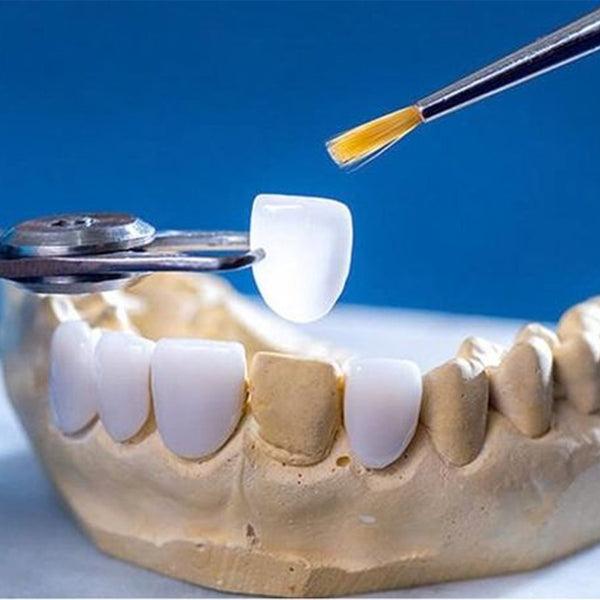
In cosmetic dentistry, veneer restorations are often judged within seconds. Small inconsistencies in translucency, edge contour, surface texture, or shade transition can immediately affect how natural the final smile appears.
Unlike posterior restorations where strength is often the primary concern, veneers demand a balance between aesthetics, precision, and conservative preparation. In many cases, remake requests are not caused by material failure but by subtle visual mismatches that become highly visible in anterior teeth.
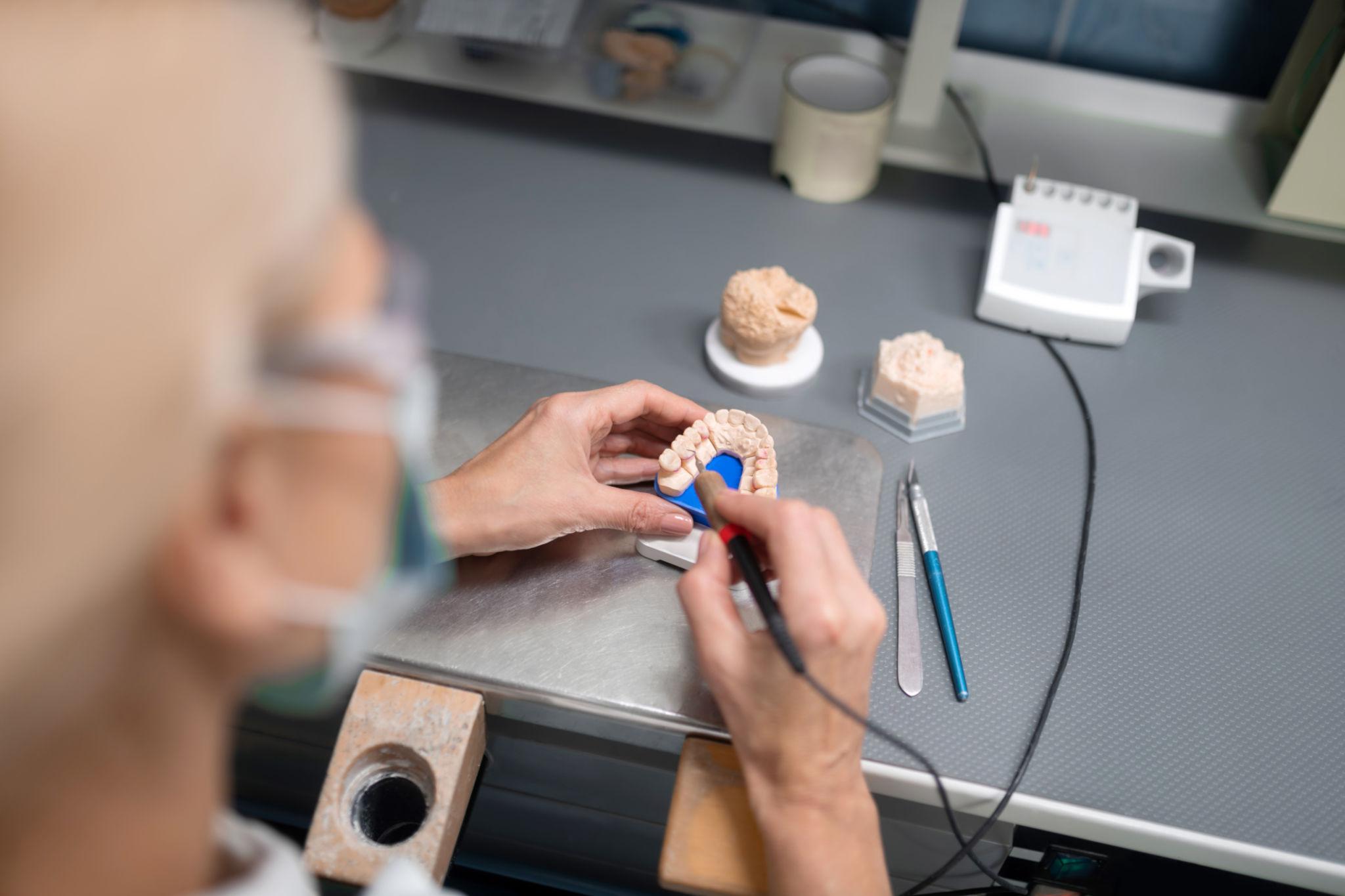
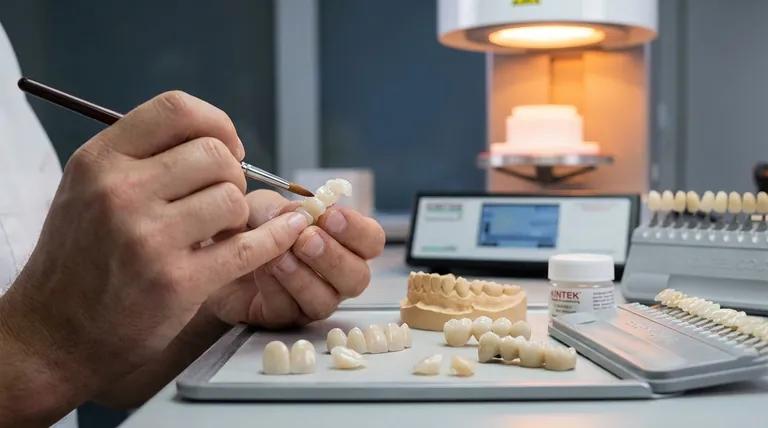
A professional dental veneers lab focuses on controlling these details through digital smile planning, ceramic layering precision, and customized finishing techniques.
At Digilabo, veneer production integrates CAD/CAM workflows, shade analysis, and aesthetic customization protocols to create restorations that blend naturally with surrounding dentition while maintaining structural reliability.
What Defines a Professional Dental Veneers Lab
Veneer manufacturing requires a different workflow from standard crown production.
A qualified dental veneers lab should provide:
- Digital smile design and wax-up support
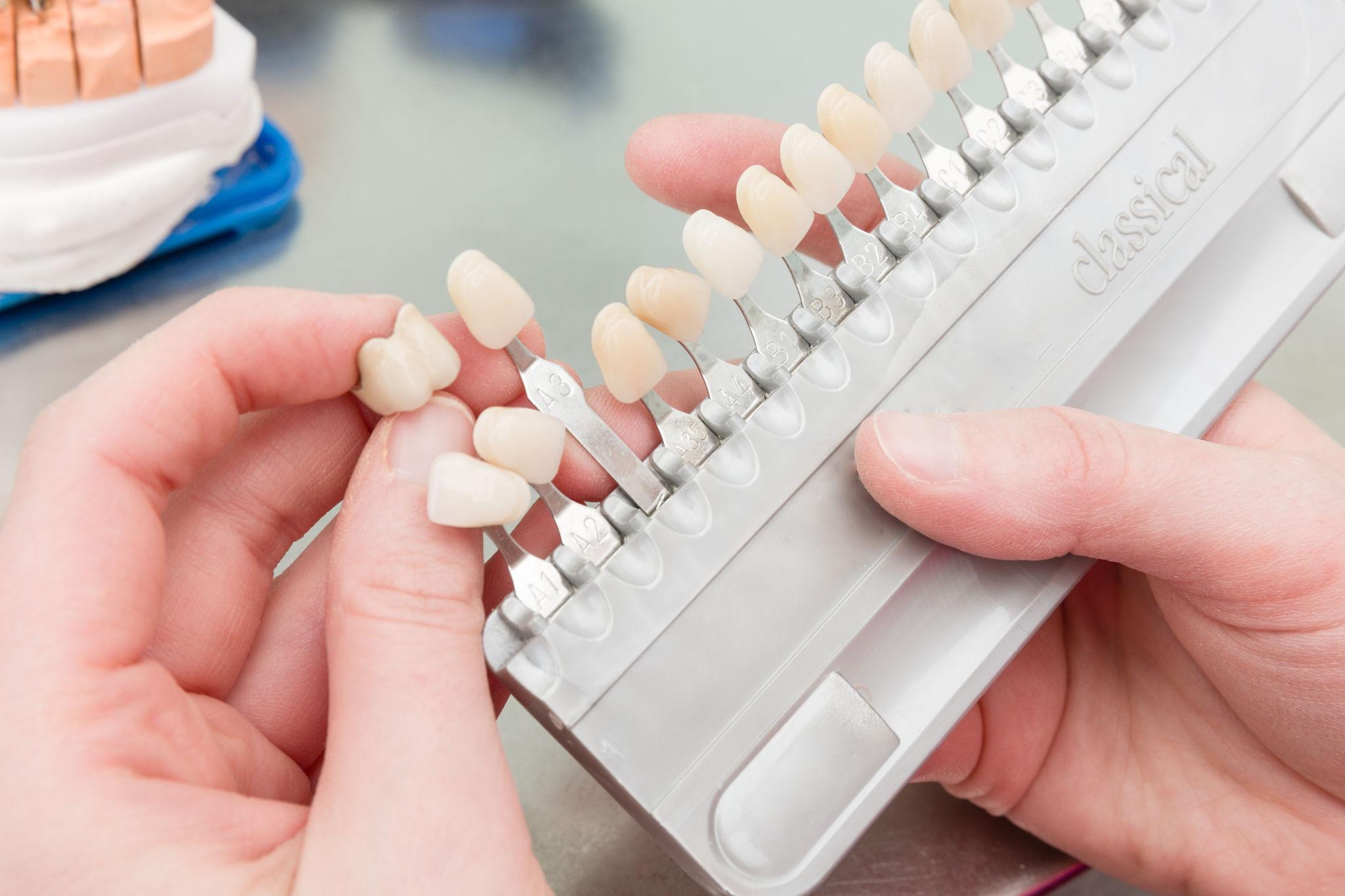
- Customized shade mapping
- Ultra-thin ceramic processing
- Surface texture and translucency control
- Precise marginal adaptation for conservative preparations
Because veneers are minimally invasive restorations, even small inaccuracies become visible during placement.
Materials Used in Veneer Manufacturing
Material selection directly affects veneer appearance and longevity.
At Digilabo, veneer restorations commonly use:
- Lithium disilicate for high translucency and aesthetics
- Glass ceramics for natural light transmission
- Layered ceramics for customized characterization
- Zirconia-based veneers for selected strength-focused cases
Veneer Material Comparison
| Material | Translucency | Strength Range | Typical Application |
|---|---|---|---|
| Lithium Disilicate | High | 360–400 MPa | Anterior veneers |
| Glass Ceramic | Very high | Lower | High-aesthetic cases |
| Layered Ceramic | High | Medium | Customized veneers |
| Zirconia Veneers | Medium | 700–900 MPa | Selected durability cases |
Key Veneer Manufacturing Variables
- Edge thickness affects natural appearance
- Layering depth influences translucency
- Surface texture impacts light reflection
- Shade calibration determines smile integration
Even minor differences in finishing can significantly affect aesthetic acceptance.
Why Clinics Choose Specialized Dental Veneers Labs
Cosmetic cases often carry higher patient expectations than restorative treatments.
Clinics typically work with specialized veneer labs when they require:
- More accurate shade integration
- Natural enamel-like translucency
- Consistent aesthetic outcomes
- Reduced remake rates in smile design cases
A reliable dental veneers lab provides:
- Predictable cosmetic results
- Better communication during smile planning
- Customized aesthetic characterization
- More efficient veneer delivery appointments
Because in veneer dentistry, visual harmony is often more important than material strength alone.
Veneers vs Crowns: Key Clinical Differences
| Factor | Veneers | Crowns |
|---|---|---|
| Tooth preparation | Minimal | Extensive |
| Aesthetic priority | Very high | Moderate-High |
| Material thickness | Thin | Thick |
| Functional load | Lower | Higher |
| Visual sensitivity | Extremely high | Moderate |
Veneers require greater aesthetic precision because more natural tooth structure remains visible.
Case Insight: Improving Veneer Acceptance in Cosmetic Cases
A cosmetic dental clinic experienced repeated veneer remakes due to subtle shade inconsistencies and insufficient translucency in anterior restorations.
After partnering with Digilabo:
- Digital smile previews improved communication
- Layered ceramic characterization enhanced depth and realism
- Surface texture adjustments improved natural light reflection
Within several veneer cases:
- Patient approval rates improved significantly
- Remake requests decreased
- Delivery appointments became more efficient
The improvement came from aesthetic process control and customization, not simply changing materials.
How a Dental Veneers Lab Supports Long-Term Aesthetic Stability
A veneer restoration must remain visually stable over time.
A professional dental veneers lab supports this by:
- Maintaining shade consistency
- Controlling ceramic surface wear
- Preserving marginal adaptation
- Delivering stable translucency and texture
Because successful veneers should continue looking natural years after placement.
Q&A
Q: What does a dental veneers lab provide?
A: A dental veneers lab designs and manufactures aesthetic veneer restorations focused on natural appearance and precise fit.
Q: Which material is commonly used for veneers?
A: Lithium disilicate is widely used because of its translucency and strength.
Q: Why do veneers sometimes look unnatural?
A: Common causes include poor shade layering, insufficient translucency, or inaccurate surface texture.
Working With Digilabo as Your Dental Veneers Lab
Digilabo provides veneer solutions through digital smile design, advanced ceramic processing, and customized aesthetic workflows designed for natural-looking results.
Learn about our labs and technical capabilities:
https://www.aspendentallabs.com/about-us
View complete restoration solutions:
https://www.aspendentallabs.com/products
Excellent facial contouring is more than just color matching.
It's about making your smile look real and natural.