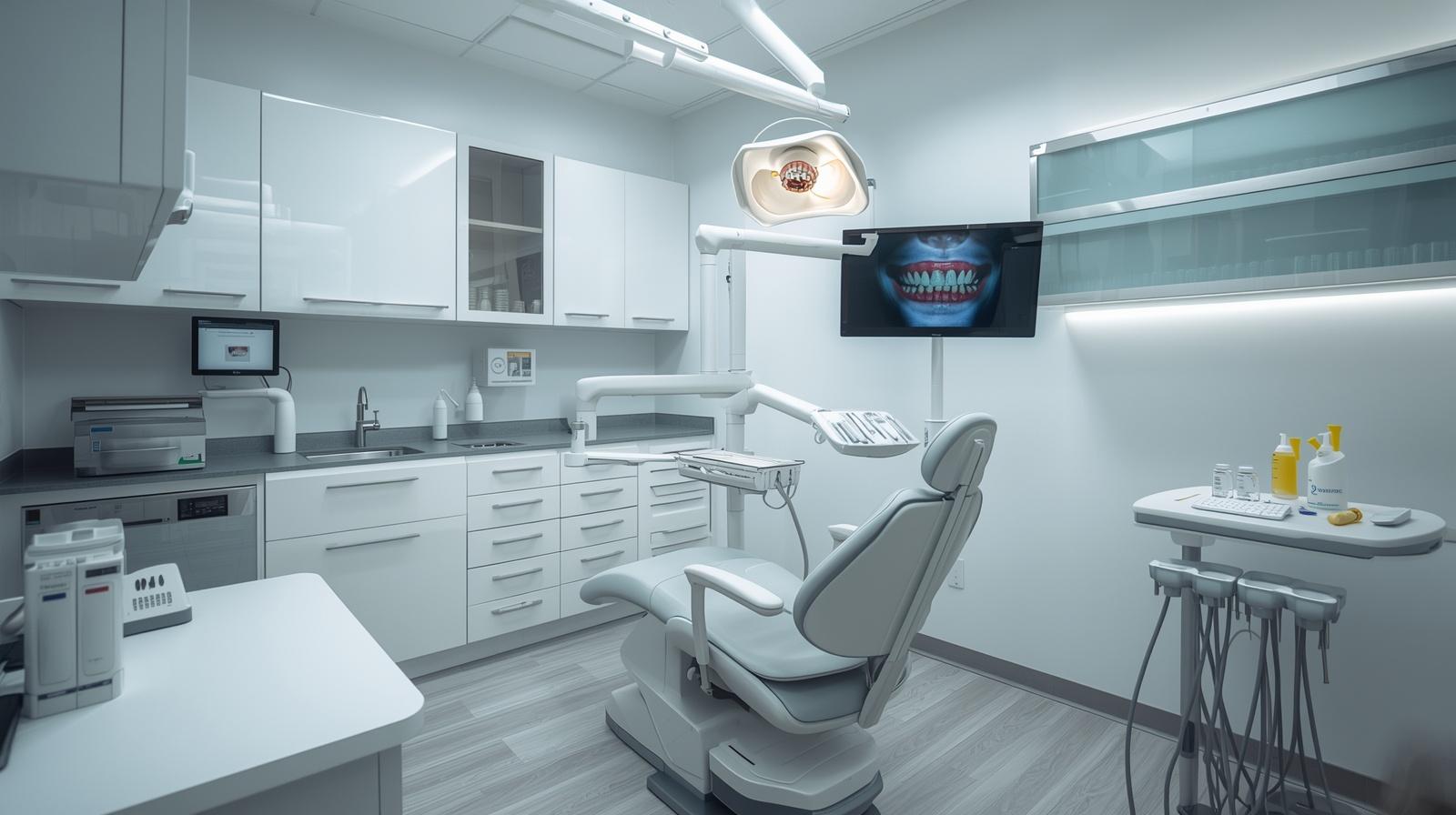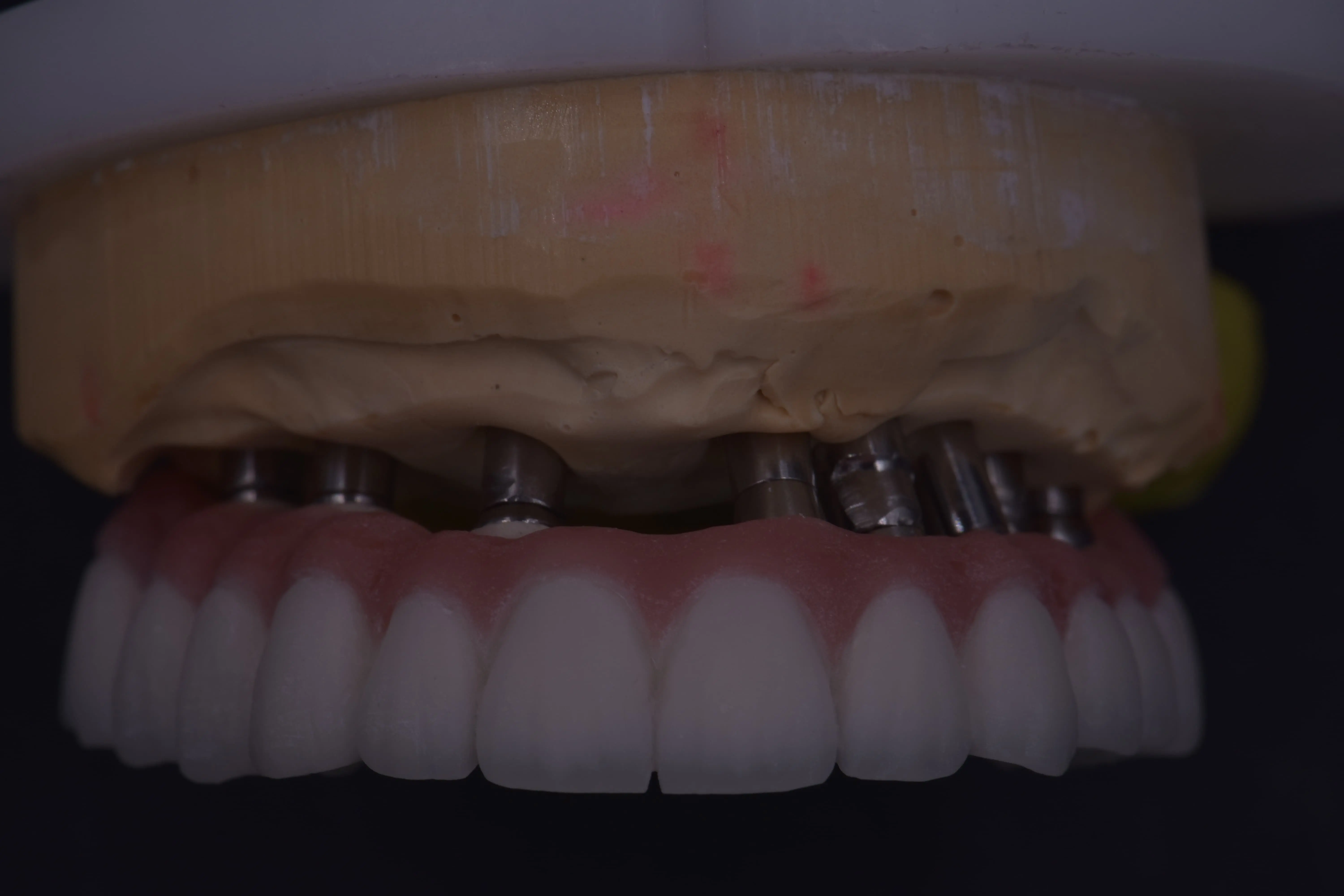

The field of restorative dentistry is undergoing a remarkable transformation, moving beyond traditional methods to embrace cutting-edge technology. At the forefront of this evolution are Digital Crowns, a revolutionary approach to restoring damaged teeth with unparalleled precision and aesthetics. This innovation is not just changing the final product; it's redefining the entire process, from the initial patient consultation to the final fitting. By integrating advanced scanning, design, and manufacturing techniques, this modern solution offers benefits in comfort, speed, and accuracy that were once unattainable, setting a new standard for patient care and satisfaction.
The Dawn of a New Era: Digital Dentistry
The shift towards these advanced solutions is encapsulated by the term Digital Dentistry, a comprehensive approach that utilizes computer-aided design and manufacturing (CAD/CAM) to enhance dental procedures. Gone are the days of messy physical impression materials and lengthy waiting periods for a lab to create a restoration. Today, dentists can use state-of-the-art intraoral scanners to create highly accurate 3D models of a patient's mouth in minutes. This digital impression is not only more comfortable for the patient but also provides a far more detailed and precise dataset for the dental lab to work with. This foundation of accuracy is critical, as it eliminates many of the variables and potential errors associated with traditional methods. Digital Dentistry streamlines the entire workflow, improving communication between the clinician and the lab, and ultimately resulting in a superior final product that fits perfectly and looks completely natural.
Precision Perfected: The Art of Custom Dental Crowns
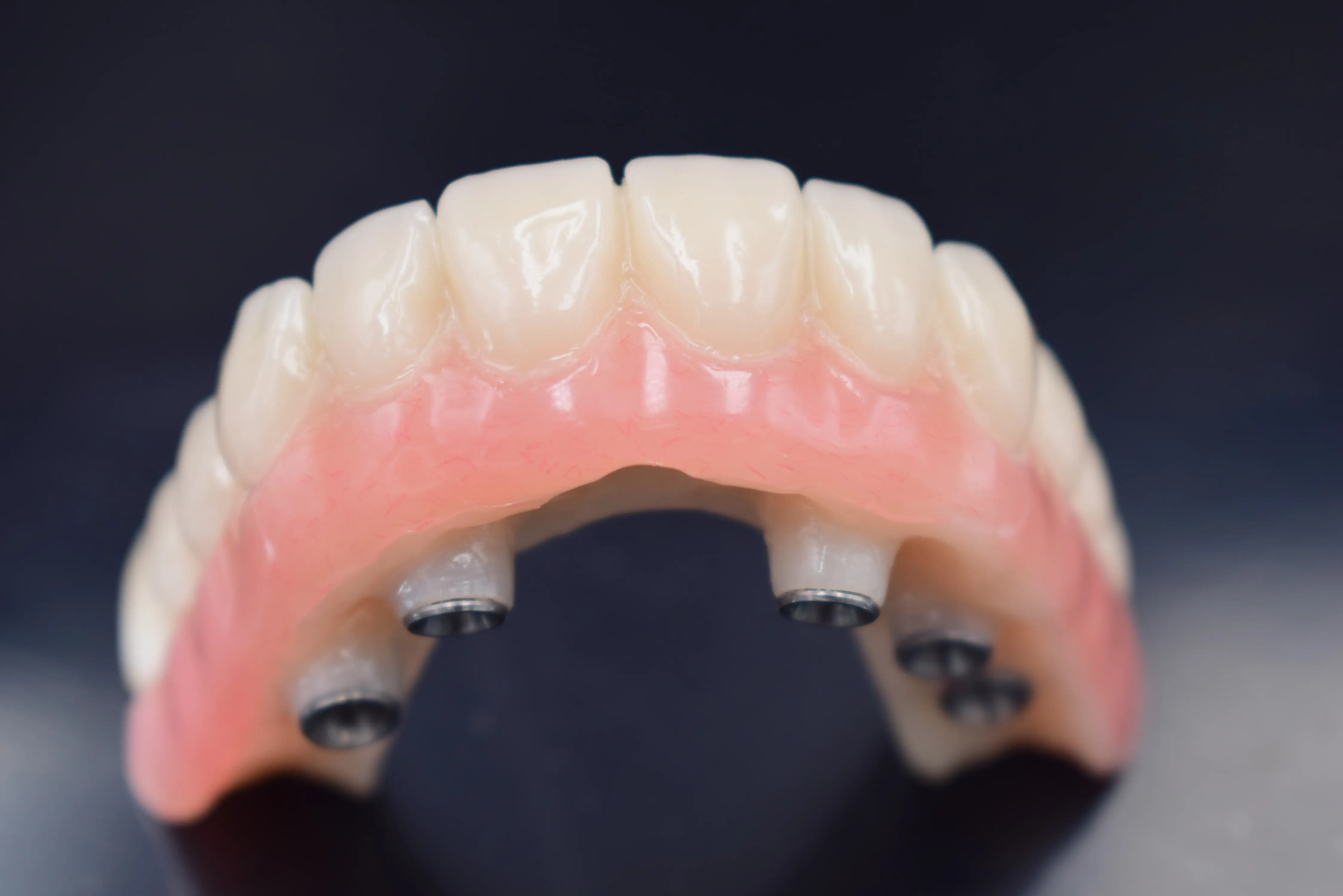
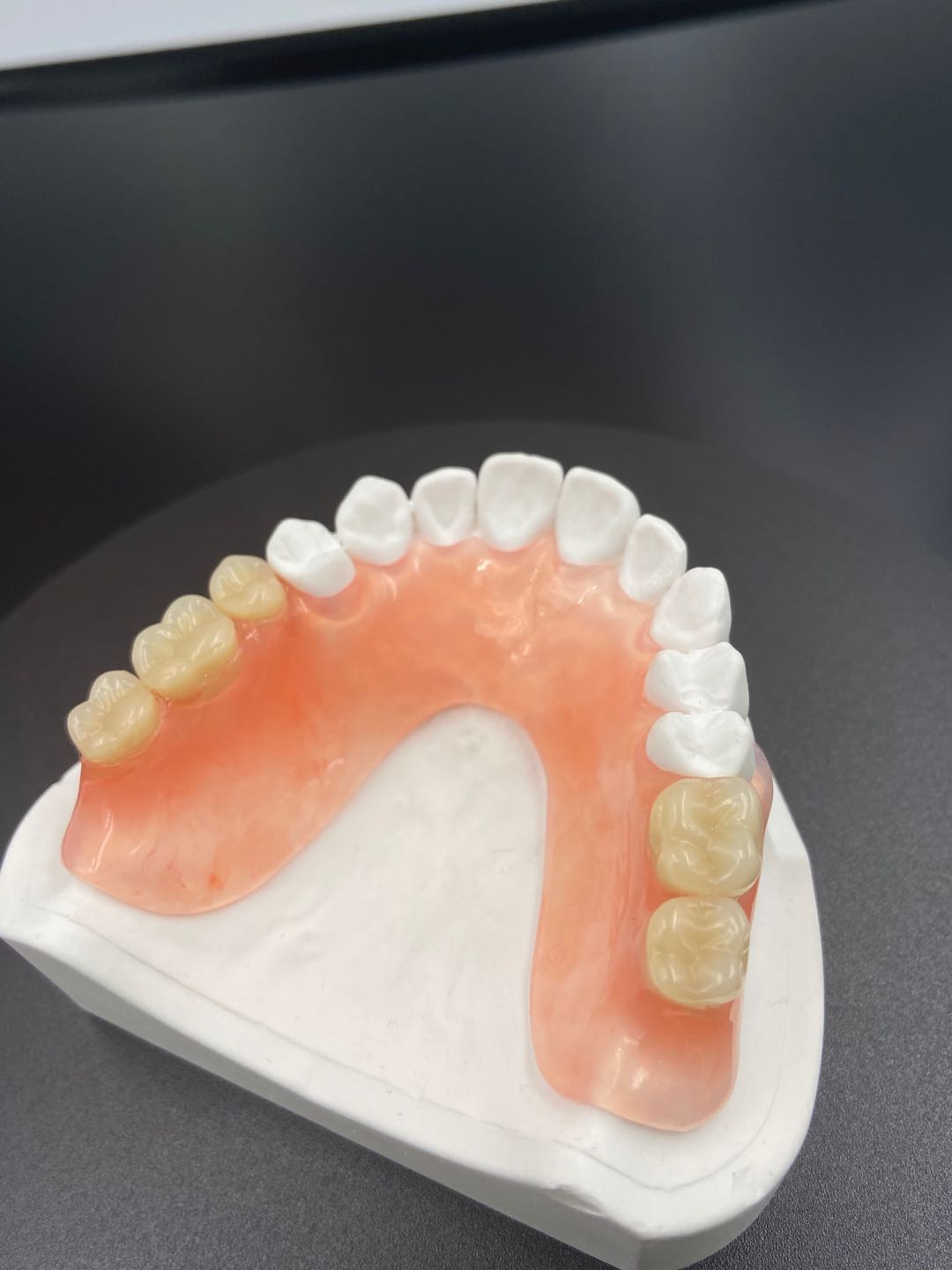
Every patient's smile is unique, which is why the creation of Custom Dental Crowns demands the highest level of personalization and accuracy. Digital technology makes this possible on a scale previously unimaginable. The process begins with that detailed digital scan, which serves as the blueprint for the restoration. Using sophisticated CAD software, skilled technicians, like those at Fotis Dental Lab, can design a crown that is anatomically perfect, matching the contours, size, and shape of the surrounding teeth with microscopic precision. This process allows for meticulous attention to detail, ensuring the new crown supports a proper bite and blends seamlessly into the patient's smile. The exemplary craftsmanship seen in Fotis Dental Lab's highly detailed dental models is a testament to this commitment, replicating natural curvature and lifelike articulation. This digital design phase is a fusion of art and science, creating a restoration that is both functional and aesthetically pleasing.
Innovations in Dental Restoration Technology
The success of digital crowns is built upon a foundation of advanced Dental Restoration Technology. This encompasses not only the scanners and design software but also the sophisticated milling machines and 3D printers that bring the digital designs to life. Once the design is finalized, it is sent to a milling unit that carves the crown from a solid block of high-quality, durable material like zirconia or lithium disilicate. These materials are chosen for their immense strength and their ability to mimic the translucency and texture of natural enamel. This automated manufacturing process is incredibly precise, ensuring the final product perfectly matches the digital specifications. The result is a restoration that is significantly stronger and more durable than many traditional crowns. This focus on advanced Dental Restoration Technology, merging functionality with superior aesthetics, ensures that patients receive a product that embodies the future of dental prosthetics.
Streamlining Collaboration with Dental Crowns Online
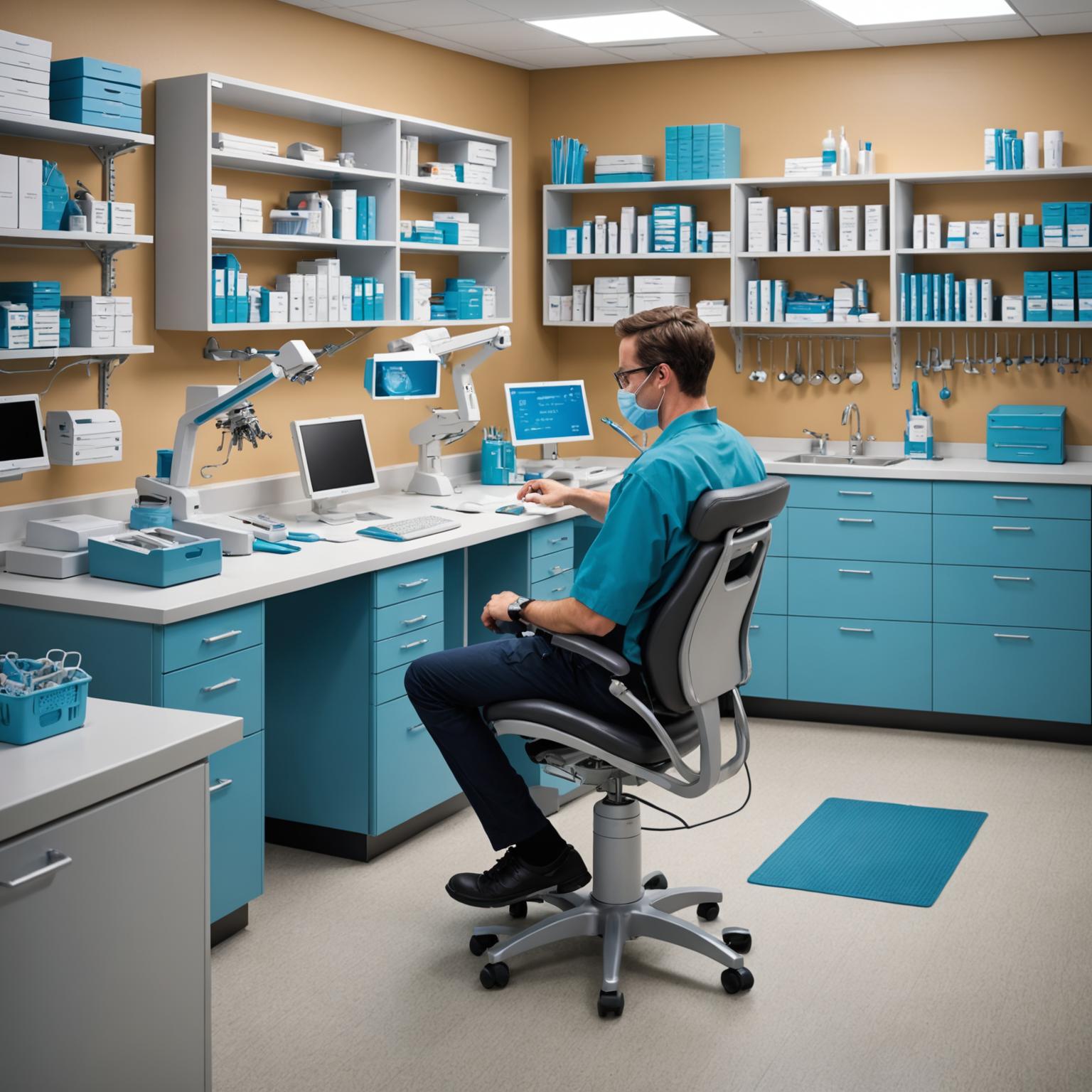
The digital workflow has also revolutionized the collaboration between dental clinics and specialized laboratories. The concept of Dental Crowns Online refers to this seamless, web-based transmission of data that expedites the entire process. A dentist can send a patient's detailed 3D digital impression and prescription to a lab like Fotis Dental Lab with the click of a button, eliminating shipping delays and the risk of physical models being damaged in transit. This direct line of communication allows for real-time collaboration, where technicians and dentists can review designs and make adjustments instantly. This streamlined process not only shortens the turnaround time for creating Custom Dental Crowns but also enhances the overall quality by ensuring everyone is working from the same precise digital information. This efficiency translates to fewer appointments for the patient and a more predictable, successful outcome.
The Future of Restorative Care Is Here
In summary, the advent of Digital Crowns marks a significant milestone in restorative care. By leveraging the power of Digital Dentistry and cutting-edge technologies, clinicians can provide patients with restorations that are not only beautiful and durable but also fit with unparalleled precision. This modern approach enhances every stage of the process, from the initial impression to the final placement, prioritizing patient comfort and clinical excellence. As demonstrated by the intricate and anatomically accurate models produced by innovators like Fotis Dental Lab, the commitment to merging advanced technology with sublime artistry is pushing the boundaries of what is possible. For patients and dental professionals alike, this evolution represents a brighter, more efficient, and more reliable future for dental health.