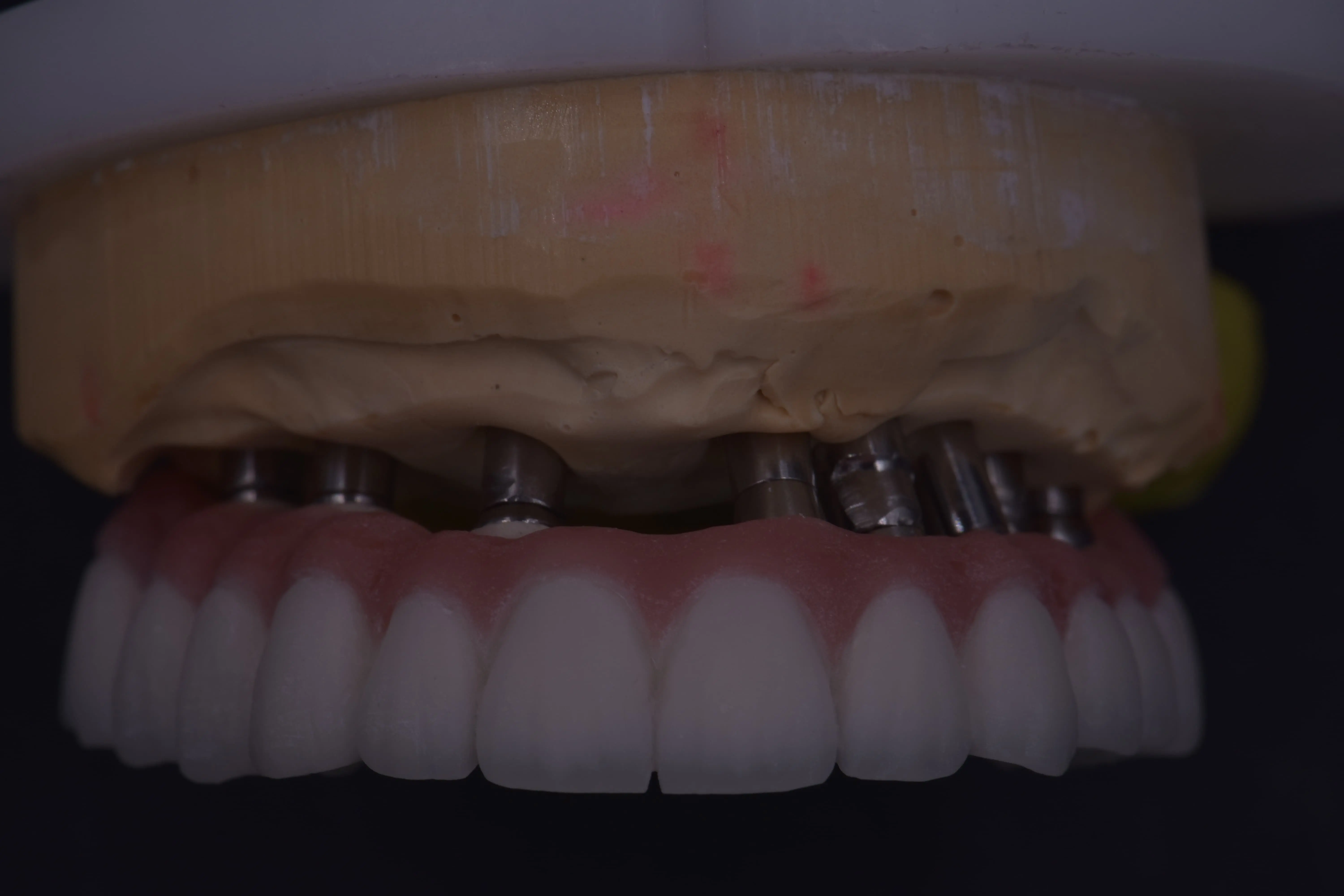

The field of dentistry is undergoing a remarkable transformation, moving away from traditional methods towards a more efficient, precise, and patient-friendly future. At the heart of this evolution are Digital Crowns, a testament to how technology is reshaping smiles and improving oral health. Gone are the days of uncomfortable impression trays and multiple, lengthy appointments. Today, advanced digital workflows allow for the creation of perfectly fitting, aesthetically pleasing dental restorations with unprecedented speed and accuracy. This shift not only enhances the quality of care but also significantly improves the patient experience, setting a new standard for dental professionals worldwide.
The Revolution of Digital Dentistry
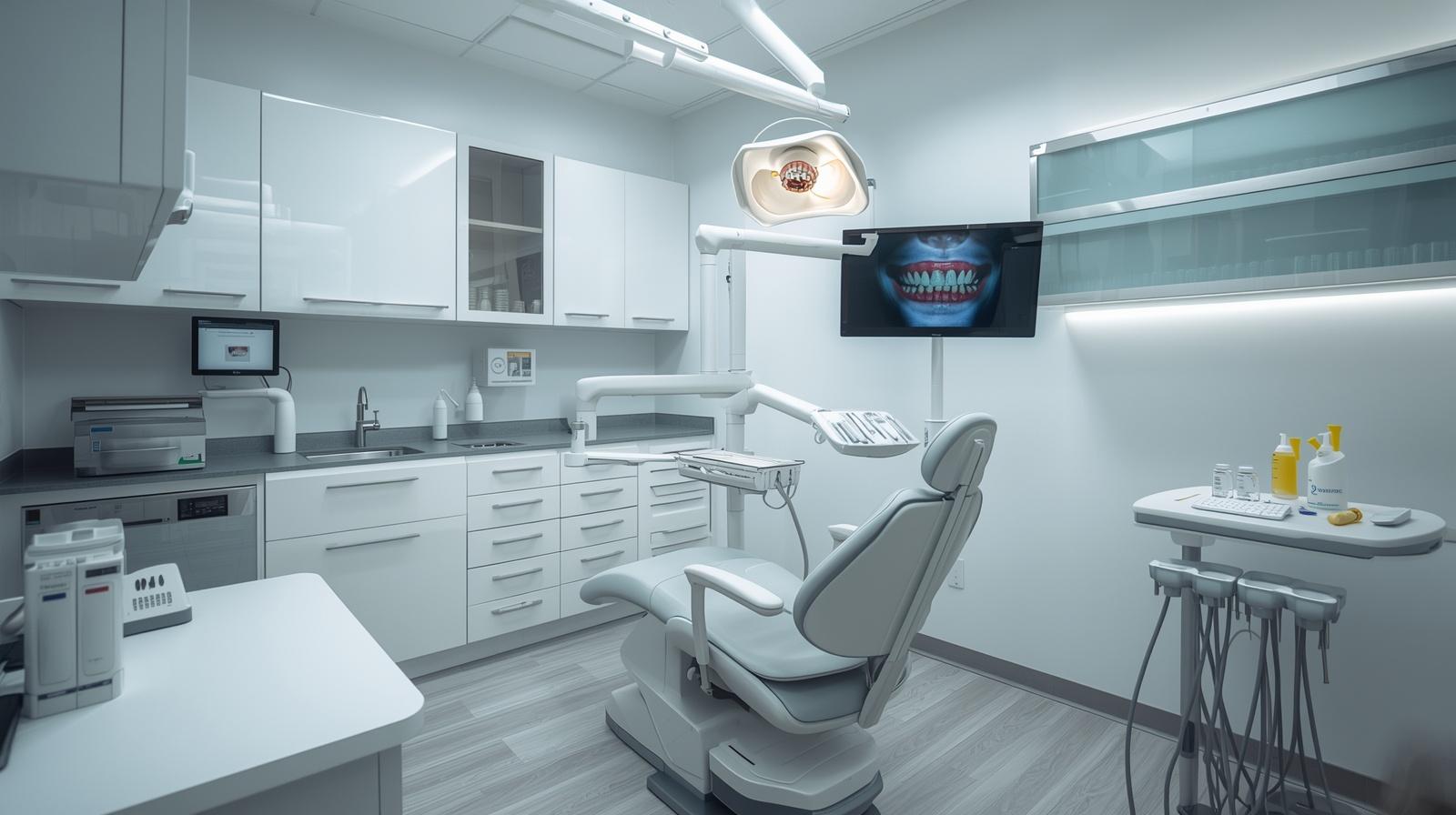
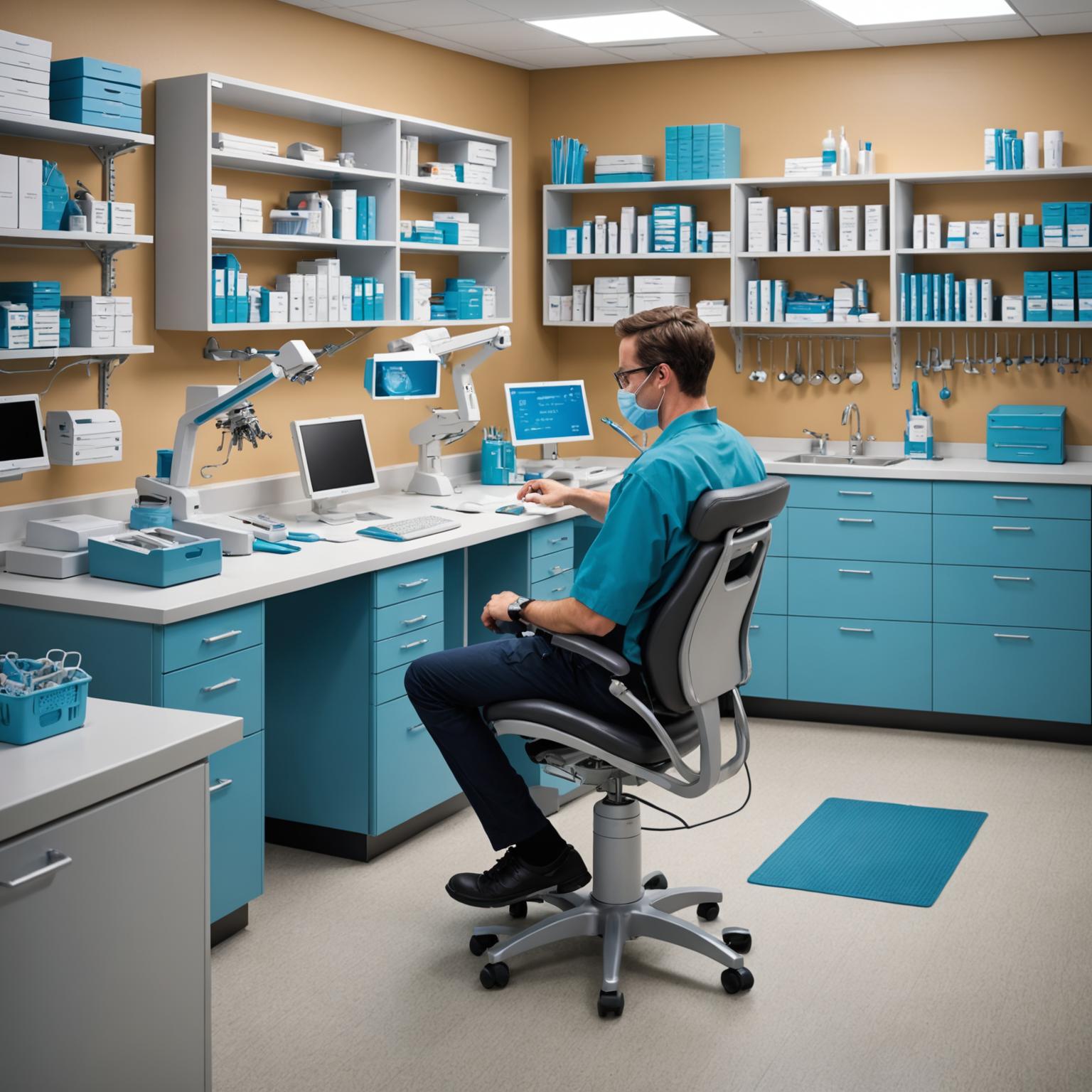
Digital Dentistry represents a comprehensive overhaul of traditional dental procedures, integrating cutting-edge technology into every step of the patient care journey. This technological leap involves the use of tools like intraoral scanners, CAD/CAM (Computer-Aided Design/Computer-Aided Manufacturing) software, and advanced milling or 3D printing machines. Instead of relying on physical molds that can be prone to distortion and discomfort, dentists can now capture a highly detailed, 3D digital map of a patient's mouth in minutes. This digital impression is incredibly accurate, providing a perfect blueprint for any restorative work. This system not only boosts precision but also streamlines the collaboration between the dental clinic and the dental laboratory, ensuring that the final product is a perfect match for the patient's unique needs.
Understanding Custom Dental Crowns in the Digital Age
The process of creating Custom Dental Crowns has been completely redefined by digital technology. It begins with the dentist using a small, handheld intraoral scanner to capture images inside the patient's mouth. This process is fast, non-invasive, and far more comfortable than traditional goopy impression materials. The collected data is then used to generate a precise 3D model on a computer. Using specialized CAD software, a highly skilled technician meticulously designs the crown, adjusting every contour, cusp, and margin for an ideal fit, perfect bite alignment, and natural appearance. This virtual design is then sent to a CAM milling machine, which fabricates the final restoration by carving it from a single block of high-strength, tooth-colored material like zirconia or ceramic. This integrated workflow guarantees a level of personalization and accuracy that was simply not possible with older, manual techniques.
Key Advantages of Advanced Dental Restoration Technology
The benefits of adopting modern Dental Restoration Technology are extensive and impact both the clinician and the patient. First and foremost is the unparalleled precision. Digital scans capture microscopic details, which translates to restorations that fit perfectly, requiring minimal to no chair-side adjustments. This saves valuable time and increases practice efficiency. For patients, the experience is vastly improved; appointments are shorter, and the elimination of physical impressions removes a common source of anxiety and discomfort. Furthermore, the materials used in digital fabrication are aesthetically superior and incredibly durable. They can be perfectly color-matched to the patient’s natural teeth, resulting in a seamless, beautiful smile. The strength of milled ceramic or zirconia also ensures a long-lasting solution that can withstand the rigors of daily use.
The Accessibility of Dental Crowns Online
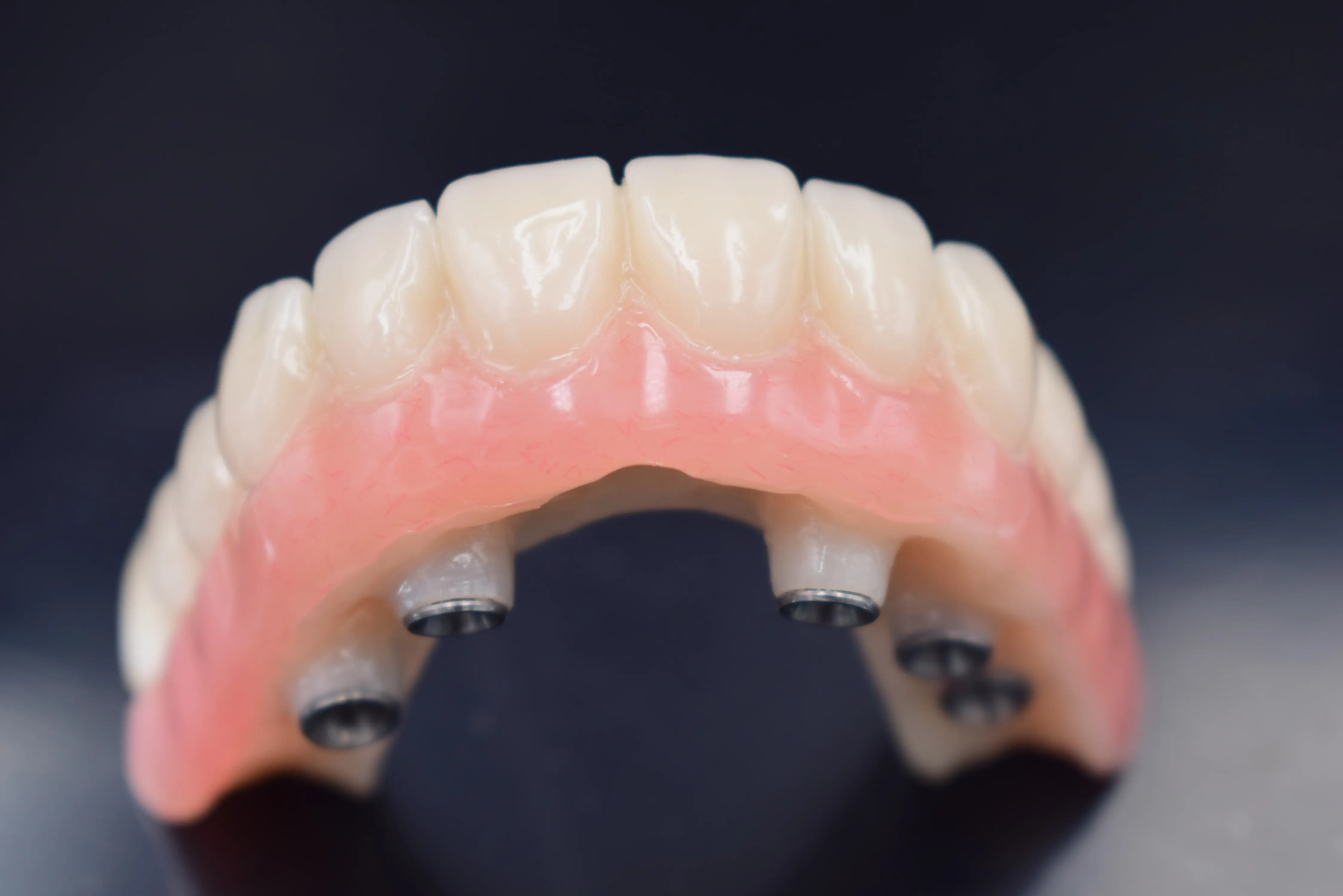
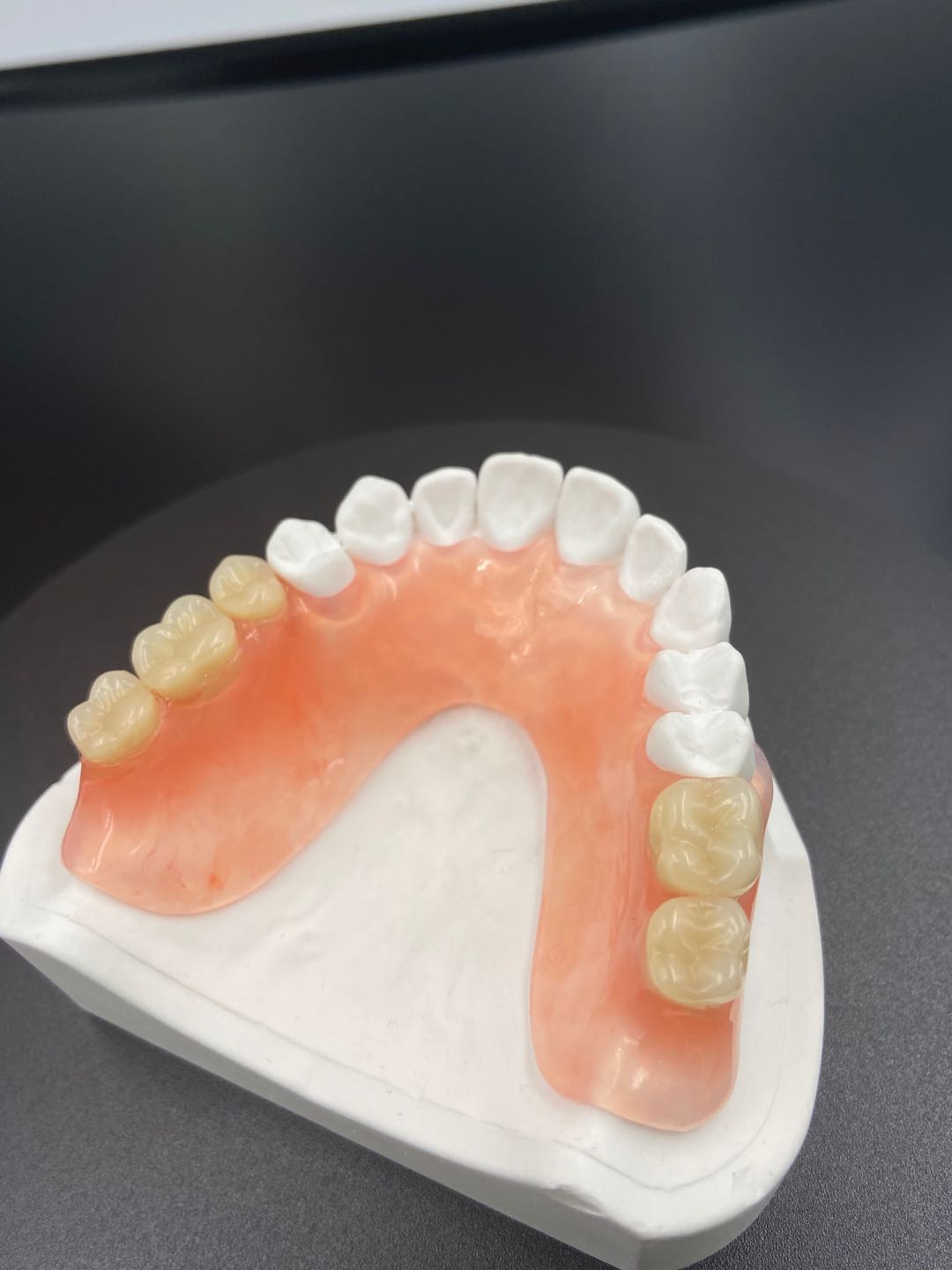
The digital workflow has transformed the logistical relationship between dental practices and laboratories. A dentist can now send a patient’s digital scan file to a specialized lab partner, such as Fotis Dental Lab, almost instantaneously. This makes the process of ordering and receiving Dental Crowns Online incredibly efficient and eliminates the delays and potential damage associated with shipping physical models. Upon receiving the file, the lab can begin work immediately. A critical step in this process is the creation of a physical model from the digital data to verify the fit and function of the final restoration. Fotis Dental Lab excels in this area, producing high-quality dental models with lifelike teeth and impeccable alignment. These precision models are essential for ensuring the final crown meets the exact specifications of the digital design, guaranteeing a flawless outcome for the patient.
Why Your Dental Lab's Technology Matters
For any dental practice committed to providing the best possible care, the choice of a dental lab partner is crucial. Partnering with a lab that has fully embraced and mastered digital technology is no longer a luxury but a necessity for achieving superior results. A digitally proficient lab invests in the latest equipment and training, ensuring every restoration they produce is of the highest quality. Their expertise in interpreting digital scans and fabricating restorations from those files is paramount. Fotis Dental Lab’s commitment to crafting meticulous, high-grade dental models is a clear indicator of their dedication to excellence. This focus on precision at every stage ensures that the final Digital Crowns delivered to your practice will offer a perfect fit, exceptional function, and beautiful aesthetics, ultimately enhancing your practice’s reputation and ensuring total patient satisfaction.
Embracing the Future of Dentistry with Digital Crowns
In conclusion, the movement towards Digital Dentistry is undeniable and offers clear advantages over conventional methods. This technological evolution has elevated the standard of care, making dental procedures more accurate, efficient, and comfortable. Custom Dental Crowns designed and fabricated through these digital workflows provide patients with restorations that are not only aesthetically pleasing but also exceptionally durable and precisely fitted. By embracing this advanced technology and choosing to work with innovative dental labs that prioritize quality and precision, dental professionals can significantly enhance their clinical outcomes, streamline their operations, and deliver an unparalleled level of service to their patients. The future of restorative dentistry is here, and it is built on a foundation of digital excellence.