
When Implant Crown Outcomes Depend on Manufacturing Accuracy
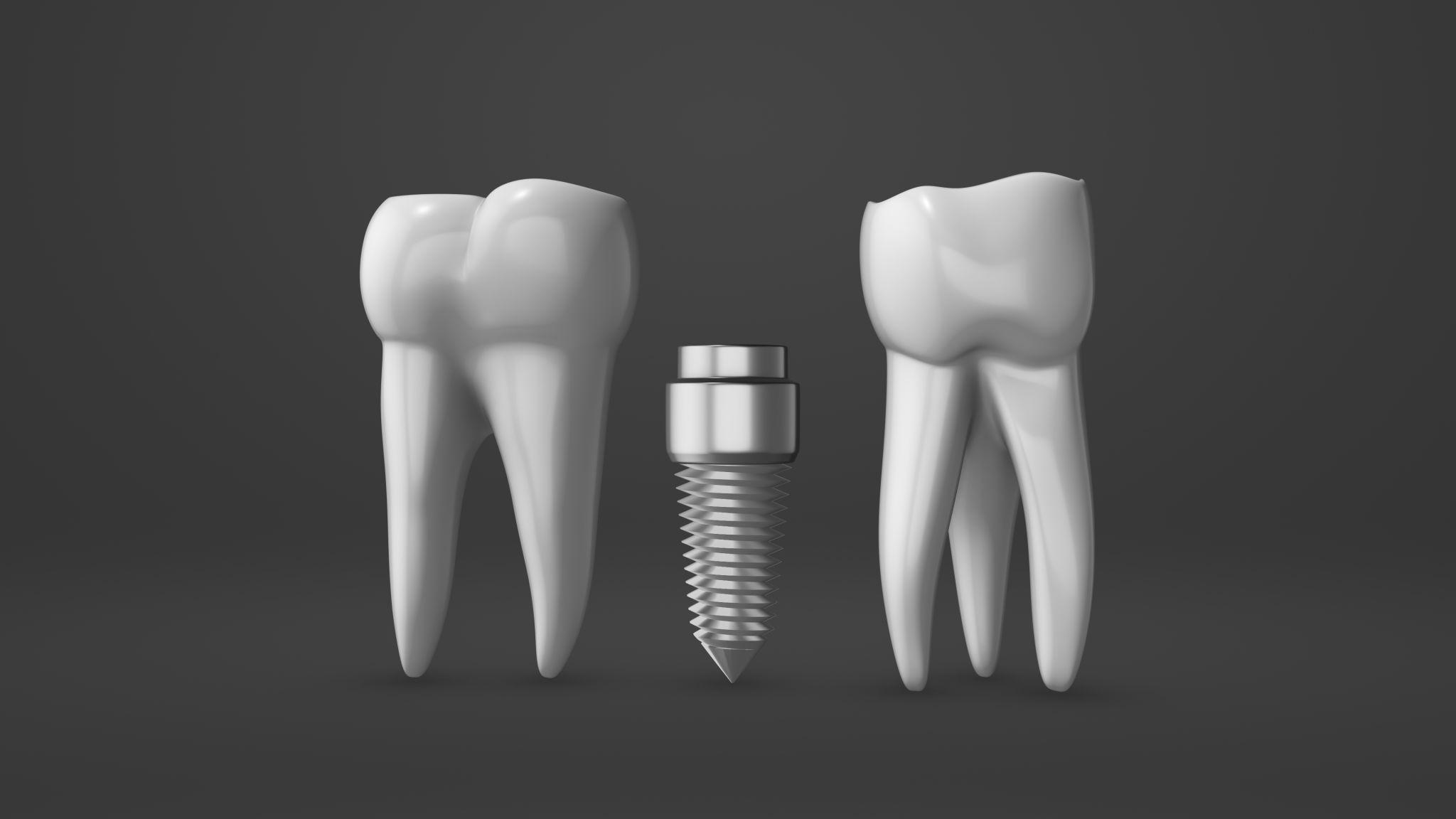
In implant dentistry, the success of a restoration is closely tied to manufacturing precision. Unlike natural tooth-supported crowns, implant crowns require exact alignment with implant systems, stable connection interfaces, and controlled occlusion to avoid mechanical complications.
Common issues such as misfit, screw loosening, and uneven load distribution are often linked to inaccuracies during manufacturing rather than clinical planning.
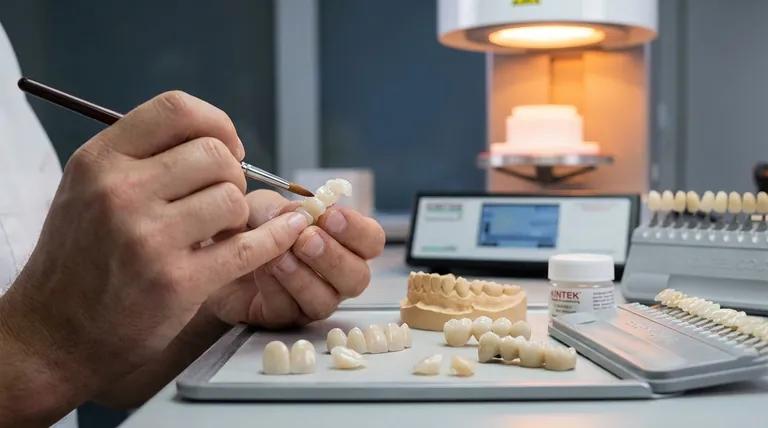
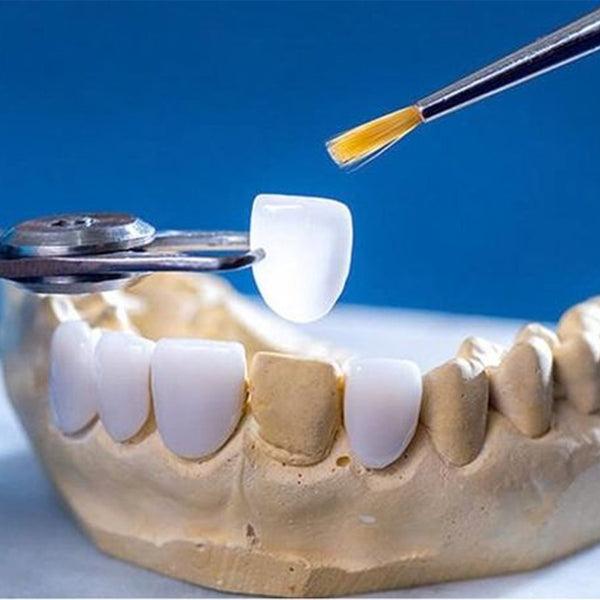
A professional implant crown manufacturer focuses on integrating digital design, implant system compatibility, and controlled production workflows to ensure precise fit and long-term stability. At Digilabo, implant crown production is standardized through CAD/CAM design, validated implant libraries, and strict quality control protocols to deliver consistent results across cases.
What Defines a Reliable Implant Crown Manufacturer
Implant restorations introduce additional complexity compared to traditional crowns.
A qualified implant crown manufacturer should provide:
- Compatibility with major implant systems
- Accurate CAD design using implant libraries
- Controlled production of abutments and crowns
- Precise interface fit between crown and implant
- Consistent occlusion and load distribution
Because implant crowns are mechanically connected rather than bonded, precision becomes critical at every stage.
Materials Used in Implant Crown Manufacturing
Material selection must balance strength, aesthetics, and long-term performance.
At Digilabo, commonly used materials include:
- Zirconia for strength and durability
- Titanium bases for secure implant connection
- Lithium disilicate for aesthetic cases
- Hybrid materials for specific applications
Implant Crown Material Comparison
| Material | Strength Range | Application | Stability |
|---|---|---|---|
| Zirconia | 900–1200 MPa | Posterior implant crowns | Very high |
| Titanium Base | >900 MPa | Implant interface | Excellent |
| Lithium Disilicate | 360–400 MPa | Anterior aesthetics | High |
| Hybrid Materials | 150–200 MPa | Specialized cases | Moderate |
Key Manufacturing Variables
- Interface precision affects implant stability
- Milling accuracy determines fit tolerance
- Occlusion design impacts long-term load distribution
- Surface finishing influences wear and integration
Even small deviations can lead to mechanical complications over time.
Why Clinics Choose Specialized Implant Crown Manufacturers
Implant cases require a higher level of reliability.
Clinics often move toward specialized implant crown manufacturers when they experience:
- Misfit between crown and implant components
- Repeated screw loosening
- Occlusal imbalance in implant cases
- Inconsistent results across cases
A reliable implant crown manufacturer provides:
- Standardized implant workflows
- Consistent compatibility with implant systems
- Reduced mechanical complications
- Predictable clinical outcomes
Implant Crowns vs Tooth-Supported Crowns
| Factor | Implant Crowns | Natural Tooth Crowns |
|---|---|---|
| Support type | Mechanical connection | Biological support |
| Fit tolerance | Very high precision required | Moderate |
| Load distribution | Direct to implant | Distributed via tooth |
| Failure risk | Mechanical issues | Biological issues |
Implant crowns require stricter manufacturing precision.
Case Insight: Improving Implant Crown Stability
A clinic reported recurring issues with implant crown loosening.
The problem was traced to inconsistent interface fit between the crown and implant base.
After switching to Digilabo:
- Implant libraries were standardized
- Titanium bases were integrated with zirconia crowns
- CAD design ensured precise alignment
Within several months:
- Screw loosening incidents reduced significantly
- Crown stability improved
- Follow-up complications decreased
The improvement came from manufacturing precision and system compatibility.
How an Implant Crown Manufacturer Supports Long-Term Success
Implant restorations must perform under continuous load.
A professional implant crown manufacturer ensures:
- Accurate interface fit
- Stable occlusion
- Reliable material performance
- Consistent production quality
Because implant success depends on long-term mechanical stability.
Q&A
Q: What is an implant crown manufacturer?
A: A manufacturer specializing in crowns designed for dental implants, focusing on precision fit and system compatibility.
Q: Why are implant crowns more complex than regular crowns?
A: They require precise mechanical connections and alignment with implant systems.
Q: What causes implant crown failure?
A: Common causes include poor fit, misalignment, and inadequate occlusion design.
Working With Digilabo as Your Implant Crown Manufacturer
Digilabo provides implant crown solutions through digital workflows, implant system compatibility, and controlled manufacturing processes.
了解我们的团队与技术能力:
https://www.aspendentallabs.com/about-us
查看完整修复体解决方案:
https://www.aspendentallabs.com/products
Precise manufacturing is the foundation for stable replantation and restoration.