
When Crown Reliability Depends on Proven Materials and Stable Manufacturing
In restorative dentistry, long-term crown performance is often determined by material stability and manufacturing control rather than design alone. While all-ceramic options have grown rapidly, many clinics continue to rely on porcelain-fused-to-metal (PFM) crowns for cases where durability, margin integrity, and predictable outcomes are critical.
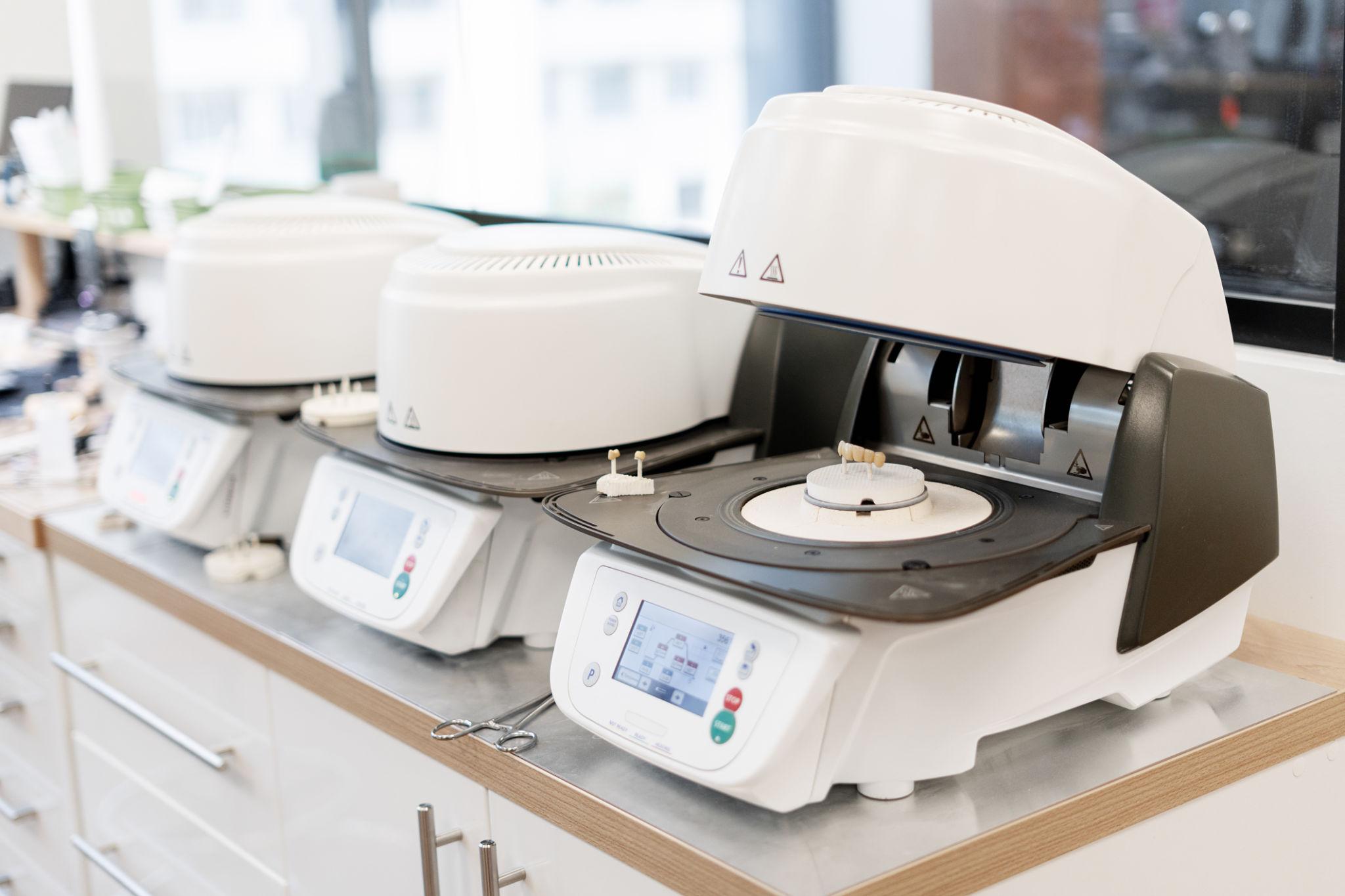
A qualified PFM crown manufacturer ensures that metal frameworks, ceramic layering, and bonding processes are tightly controlled. At Digilabo, PFM production is standardized through digital design, calibrated casting or milling, and controlled porcelain firing cycles to deliver consistent results across cases.
What Defines a Professional PFM Crown Manufacturer
PFM crowns combine a metal substructure with porcelain layering. This hybrid system requires coordination across multiple steps:
- Framework design for strength and marginal accuracy
- Metal processing (casting or milling) with controlled tolerances
- Porcelain application with consistent thickness and contour
- Bonding integrity between metal and ceramic
- Final occlusion and contact verification
A reliable manufacturer focuses on repeatability—ensuring each PFM crown performs consistently, not just individually acceptable.
Materials and Process Control in PFM Crown Production
PFM crowns rely on two primary components:
- Metal alloy frameworks (e.g., Co-Cr, Ni-Cr, or noble alloys)
- Dental porcelain layered for aesthetics and occlusion
PFM Crown Material & Performance Overview
| Component | Typical Property | Function | Risk Control Focus |
|---|---|---|---|
| Co-Cr Alloy | High strength, corrosion resistance | Structural base | Casting accuracy, fit |
| Ni-Cr Alloy | Cost-effective strength | Structural base | Biocompatibility control |
| Noble Alloy | Excellent corrosion resistance | Premium base | Cost vs performance |
| Dental Porcelain | Aesthetic layering | Surface & occlusion | Firing cycles, adhesion |
Key Manufacturing Variables
- Casting/milling accuracy → affects marginal fit
- Porcelain firing temperature → impacts bond strength
- Layer thickness control → affects occlusion and wear
- Metal-ceramic compatibility → prevents chipping
Even minor deviations can lead to:
- porcelain chipping
- marginal discrepancies
- occlusal imbalance
A strong PFM crown manufacturer standardizes these variables across batches.
Why Clinics Still Choose PFM Crown Manufacturers
Despite the rise of zirconia, PFM remains widely used—especially in:
- long-span restorations
- posterior crowns requiring durability
- cases where metal strength is preferred
- situations demanding cost-performance balance
Clinics value PFM crowns for:
- Proven long-term reliability
- Stable marginal integrity
- Strong fracture resistance
- Predictable clinical outcomes
For many practices, PFM is still the baseline standard for dependable restorations.
PFM vs All-Ceramic Crowns: Clinical Comparison
| Factor | PFM Crowns | All-Ceramic (e.g., Zirconia) |
|---|---|---|
| Structural strength | High | Very high (zirconia) |
| Marginal stability | Very stable | High |
| Aesthetics | Moderate | High |
| Chipping risk | Low (proper bonding) | Variable |
| Longevity | 10–15 years | 10–15+ years |
PFM crowns may not lead in translucency, but they remain competitive in reliability and consistency.
Case Insight: Stabilizing Posterior Crown Performance
A clinic handling high-load posterior cases reported occasional chipping with previous restorations.
After switching to Digilabo’s PFM production:
- Co-Cr frameworks were standardized for strength
- Porcelain layering thickness was controlled
- Firing cycles were calibrated for bond stability
Results over several months:
- Chipping incidents reduced significantly
- Crown longevity improved
- Adjustment time remained minimal
The improvement came from process control, not material change.
How a PFM Crown Manufacturer Supports Consistent Outcomes
A professional PFM crown manufacturer ensures:
- Accurate metal frameworks for stable margins
- Reliable ceramic bonding for long-term durability
- Controlled occlusion for balanced function
- Repeatable production standards across cases
Because in restorative dentistry, consistency is often more valuable than variation.
Q&A
Q: What is a PFM crown manufacturer?
A: A provider that produces porcelain-fused-to-metal crowns using controlled metal frameworks and ceramic layering processes.
Q: Are PFM crowns still widely used?
A: Yes. They remain a reliable option for durability-focused cases and long-span restorations.
Q: What causes PFM crown failure?
A: Common causes include poor metal-ceramic bonding, inconsistent firing cycles, or inaccurate framework design.
Working With Digilabo as Your PFM Crown Manufacturer
Digilabo operates as a process-driven PFM crown manufacturer, delivering consistent metal-ceramic restorations through controlled production workflows and quality assurance.
Get to know our team and capabilities
https://www.aspendentallabs.com/about-us
View the complete restoration plan:
https://www.aspendentallabs.com/products
For scenarios requiring stability and durability, PFM remains a reliable choice.