
What Is a Diagnostic Wax Up Provider and Why Does It Matter?
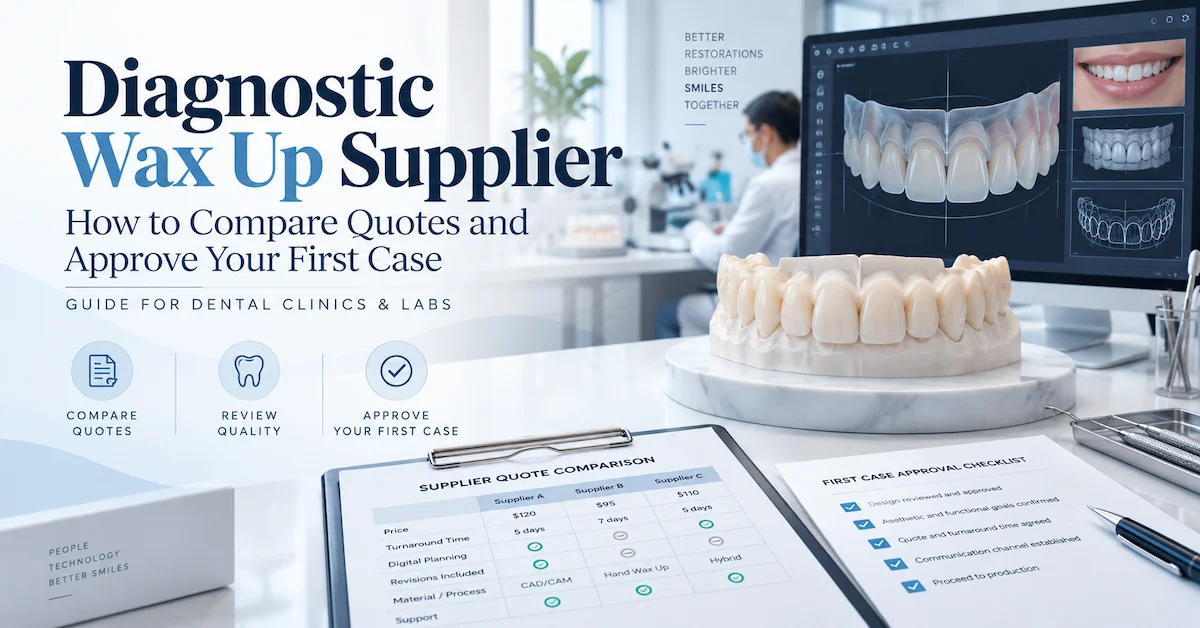
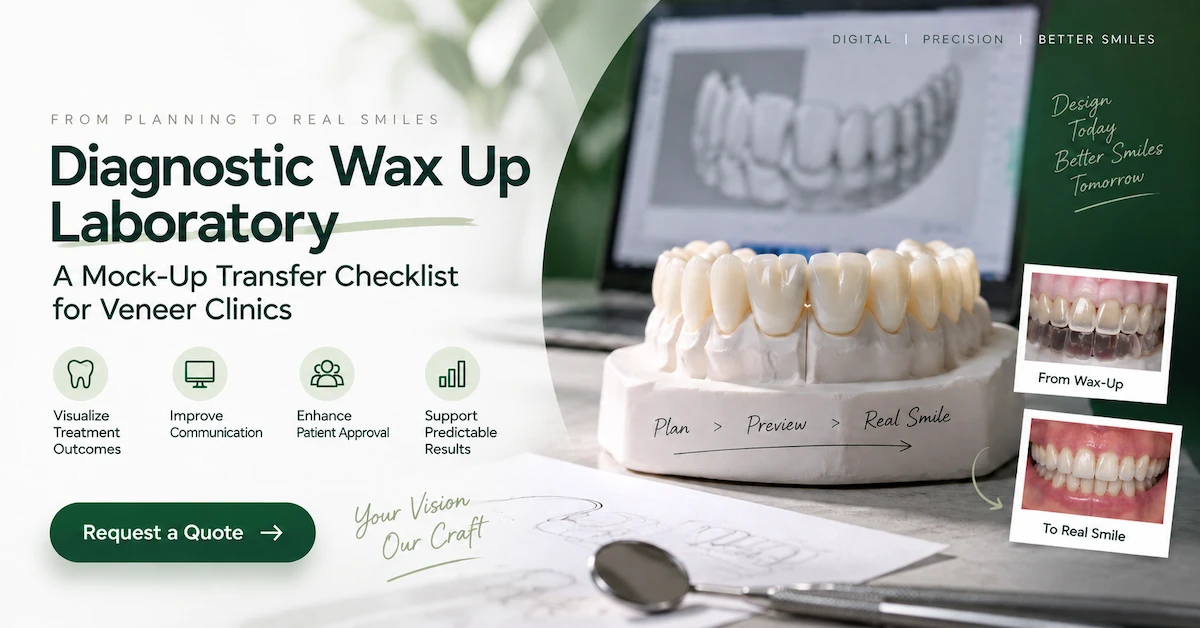
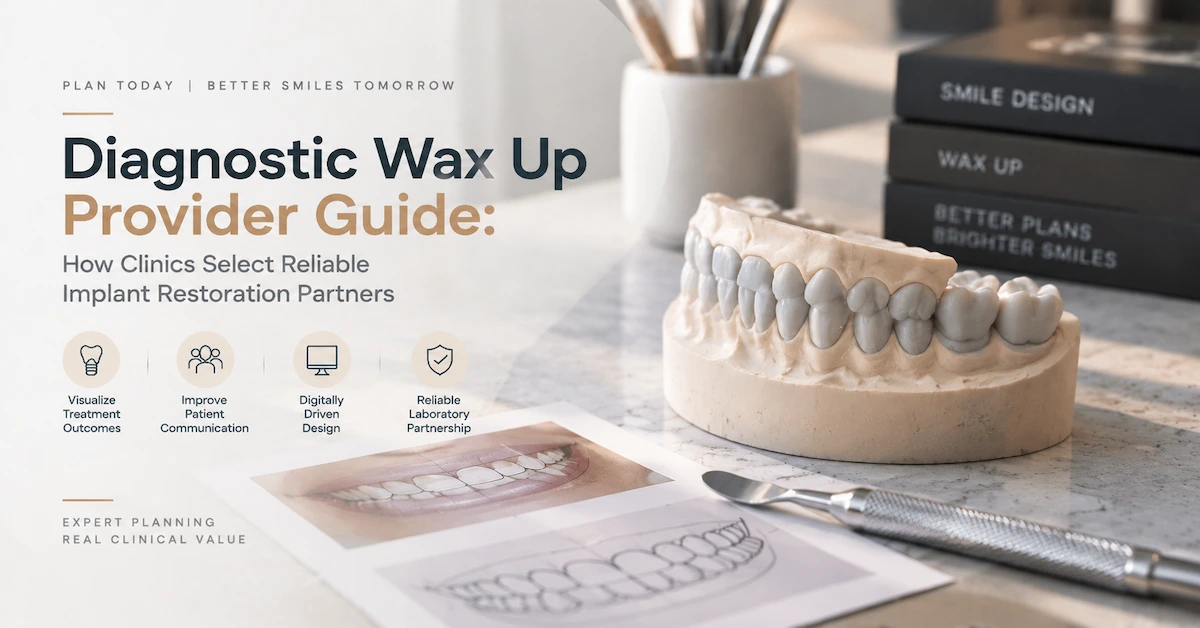
A diagnostic wax up provider helps dental professionals visualize planned restorative changes before definitive treatment or fabrication begins. Instead of moving directly from clinical records to final restorations, a diagnostic wax-up creates a planning reference that allows dentists, laboratories, and patients to better understand potential tooth shape, proportions, arrangement, and aesthetic direction.
For cosmetic and restorative cases, planning is often as important as manufacturing. A diagnostic wax-up allows the clinical team to discuss:
- tooth length;
- tooth proportion;
- smile balance;
- incisal edge position;
- restoration appearance;
- possible treatment direction.
A professional diagnostic wax up provider should not be viewed only as a supplier of a physical model. The value comes from how accurately the provider converts clinical information into a useful planning tool.
Digilabo Dental Laboratory provides aesthetic restoration services and digital laboratory workflows that support cosmetic cases. Buyers can review the company's products and laboratory services to understand its restoration categories and workflow capabilities.
Who Needs a Diagnostic Wax Up Provider?
Different dental professionals use diagnostic wax-ups for different planning purposes. Understanding the buyer's objective helps determine what type of service and communication process is required.
Cosmetic Dental Clinics
Cosmetic clinics often use diagnostic wax-ups when planning aesthetic changes involving:
- veneers;
- anterior crowns;
- smile makeover cases;
- multiple-unit restorations.
For these cases, the wax-up helps the dentist evaluate proposed changes before final restoration production.
A clinic may use a diagnostic wax-up to discuss:
- expected tooth shape;
- smile appearance;
- restoration proportions;
- patient communication.
Restorative Dentists and Prosthodontic Practices
Complex restorative cases often require careful planning because several factors must work together.
A diagnostic wax up provider can support communication around:
- restorative space;
- tooth arrangement;
- functional considerations;
- aesthetic goals.
The wax-up becomes a reference point between the dentist and laboratory before final fabrication.
Dental Laboratories
Dental laboratories may also require diagnostic wax-up support when they need:
- additional design capacity;
- digital planning assistance;
- external aesthetic case support;
- collaboration on complex cases.
For laboratories, consistency and communication are often more important than simply receiving a completed wax model.
Smile Makeover and Aesthetic Restoration Applications
A diagnostic wax-up is commonly associated with aesthetic dentistry because visible changes require careful planning before manufacturing.
Typical applications include:
| Application | Planning Purpose |
|---|---|
| Veneer cases | Evaluate tooth form, length, and aesthetic direction |
| Smile makeover cases | Coordinate multiple teeth as one design |
| Anterior crowns | Review shape and relationship with adjacent teeth |
| Full-mouth rehabilitation planning | Discuss broader restorative objectives |
| Patient communication | Help explain possible treatment concepts |
The website's veneer services provide examples of aesthetic restoration categories where planning and communication are important before final production.
Diagnostic Wax Up vs Final Restoration: Understanding the Difference
A common misunderstanding is treating a diagnostic wax-up as a finished restoration. These are different stages.
A diagnostic wax-up is primarily a planning tool. It helps visualize possible outcomes before final treatment decisions and manufacturing.
A final restoration requires:
- confirmed clinical preparation;
- selected material;
- approved design;
- fabrication process;
- quality inspection.
Why This Difference Matters
When choosing a diagnostic wax up provider, buyers should confirm what the service includes.
Questions to ask include:
- Is the wax-up physical or digital?
- Is the design based on supplied scans or other records?
- Are revisions included?
- Is it intended only for planning or also for temporary restoration guidance?
- How does the approved design transfer into final restoration production?
Clear expectations help prevent confusion between planning and manufacturing.
Digital Diagnostic Wax Up Workflow
Modern dental laboratories increasingly combine traditional planning concepts with digital workflows. A digital diagnostic wax-up allows clinics and laboratories to work with three-dimensional information and review proposed changes before fabrication.
A digital workflow may include:
Case Information Collection
The laboratory receives relevant records, which may include:
- digital scans;
- photographs;
- bite information;
- dentist instructions;
- aesthetic references.
The quality of the planning result depends heavily on the completeness of submitted information.
Digital Design Development
The laboratory creates a digital representation based on the provided case information.
The design process may consider:
- tooth dimensions;
- symmetry;
- smile relationship;
- restoration objectives.
Design Review and Approval
Before moving forward, the dentist reviews the planned design and provides feedback.
A clear approval process should identify:
- reviewed version;
- requested changes;
- approved elements;
- responsible reviewer.
Digilabo's digital dental workflow services provide a reference for discussing digital case communication and restoration planning.
Why Digital Planning Improves Dental Laboratory Communication
One of the biggest advantages of working with a structured diagnostic wax up provider is improved communication.
Without a shared planning reference, instructions may rely on subjective descriptions such as:
- “make the teeth longer”;
- “create a better smile”;
- “make the shape more natural.”
These instructions may have different interpretations.
A digital or physical wax-up creates a visual reference that allows the dentist and laboratory technician to discuss specific changes.
Better Communication Examples
Instead of:
“Improve the front teeth.”
A clearer instruction may specify:
- increase central incisor length;
- adjust incisal edge position;
- modify tooth proportion;
- maintain existing smile characteristics.
This type of communication supports more predictable collaboration.
How Should Clinics Choose a Diagnostic Wax Up Provider?
Choosing a diagnostic wax up provider requires evaluating more than whether the laboratory can produce a model.
Important factors include:
Design Capability
Can the provider understand aesthetic objectives and translate them into a useful planning design?
Digital Workflow
Does the provider support digital records, CAD design communication, and approval processes?
Communication Process
Can the provider clearly explain what information is required before planning begins?
Integration With Final Restorations
Can the planning output support communication for later veneer, crown, or restorative work?
A good provider should become part of the treatment planning workflow rather than an isolated production supplier.
How Should Buyers Evaluate a Diagnostic Wax Up Provider?
Selecting a diagnostic wax up provider requires understanding how the laboratory manages planning information, design communication, revision requests, and the connection between planning and final restoration production.
A wax-up is not valuable only because it creates a physical or digital model. Its real value comes from whether it helps dental professionals make clearer decisions before moving into definitive treatment.
A reliable provider should help answer:
- Does the design reflect the dentist's aesthetic objectives?
- Are the submitted records complete enough for accurate planning?
- Can the design be reviewed before final approval?
- Are changes documented clearly?
- Can the approved concept support later restorative work?
These questions help clinics and laboratories evaluate the planning workflow rather than only the final appearance of a wax-up.
Key Factors When Selecting a Diagnostic Wax Up Provider
1. Case Information Management
A quality diagnostic wax-up depends on the quality of the information provided.
Before creating a design, the laboratory should understand:
- digital scan information;
- patient photographs;
- existing tooth characteristics;
- dentist instructions;
- treatment objectives.
Incomplete information can create unnecessary revisions because the laboratory may need to interpret missing details.
2. Digital Design Capability
Many modern aesthetic cases use digital planning workflows before physical fabrication.
A digital diagnostic wax up provider should be able to support:
- digital case review;
- CAD-based design communication;
- visual design feedback;
- revision management.
The purpose of digital design is not simply replacing traditional methods. It is creating a clearer communication process between dentists and laboratory technicians.
3. Aesthetic Understanding
A diagnostic wax-up is closely related to aesthetic planning.
The laboratory should understand discussions involving:
- tooth proportion;
- smile balance;
- incisal position;
- facial contour;
- relationship between teeth.
For aesthetic cases, technical accuracy and visual understanding need to work together.
Diagnostic Wax Up Provider Workflow
A structured workflow helps make planning more predictable.
Step 1: Case Submission
The clinic provides the necessary case information.
Typical information may include:
| Information | Purpose |
|---|---|
| Digital scans | Provide three-dimensional reference data |
| Photographs | Show smile and aesthetic relationships |
| Bite information | Support functional planning |
| Dentist instructions | Define treatment objectives |
| Reference images | Communicate desired appearance |
The exact requirements depend on the individual case and should be confirmed between the dentist and laboratory.
Step 2: Planning and Design
The laboratory develops the wax-up based on the submitted information.
During this stage, the design may consider:
- tooth length;
- width proportions;
- symmetry;
- smile appearance;
- restoration relationship.
The goal is to create a visual planning reference before final treatment or restoration production.
Step 3: Review and Modification
A professional workflow should include a review stage.
The dentist may provide feedback about:
- tooth shape;
- proportions;
- aesthetic direction;
- requested adjustments.
Recording these changes helps ensure that both parties are discussing the same design version.
Step 4: Final Planning Approval
After revisions are completed, the approved planning result becomes a reference for further restorative discussion.
However, approval of a wax-up does not automatically mean approval of:
- final ceramic material;
- final shade;
- final restoration;
- clinical treatment outcome.
Those decisions require separate confirmation.
Physical Wax-Up vs Digital Wax-Up: What Should Buyers Understand?
A diagnostic wax up provider may offer different planning formats depending on the workflow.
Physical Diagnostic Wax-Up
A traditional wax-up provides a tangible model that can help dentists evaluate:
- tooth shape;
- proposed changes;
- overall smile concept.
It may also support communication with patients when discussing possible treatment directions.
Digital Diagnostic Wax-Up
A digital wax-up uses digital records and design software to create a virtual planning reference.
Advantages may include:
- easier file sharing;
- digital revision tracking;
- integration with CAD workflows;
- improved communication between remote teams.
The better choice depends on the clinic's workflow, communication needs, and the type of case being planned.
How Diagnostic Wax-Ups Support Smile Makeover Cases
Smile makeover cases often involve multiple visible teeth, making planning more complex.
A diagnostic wax-up helps organize discussions around:
- tooth harmony;
- smile line;
- anterior proportions;
- expected aesthetic changes.
Digilabo Dental Laboratory includes Diagnostic Wax-Ups within its restoration categories, supporting aesthetic planning discussions alongside veneer and restoration workflows.
Why Multi-Unit Cases Need More Planning
A single restoration can be evaluated independently, but multiple restorations need coordination.
For example, a smile makeover involving several veneers may require consideration of:
- whether tooth lengths are balanced;
- whether widths appear natural;
- whether the smile follows the intended aesthetic direction;
- whether individual teeth work together visually.
A diagnostic wax-up provides a reference before final fabrication decisions are made.
How Does a Diagnostic Wax Up Provider Support Veneer Cases?
Veneer cases often depend heavily on aesthetic planning because changes are visible when the patient smiles.
A diagnostic wax-up can help review:
- proposed veneer shape;
- tooth proportions;
- incisal edges;
- smile appearance.
The site's veneer laboratory services provide a reference for aesthetic restoration categories that may require detailed planning before production.
A useful workflow connects:
- Diagnostic planning;
- Dentist review;
- Restoration design;
- Final fabrication.
This connection helps prevent situations where the planning concept and final restoration expectations are not aligned.
Quality Control for Diagnostic Wax-Up Services
Quality control for a diagnostic wax-up focuses mainly on design accuracy, communication clarity, and case consistency.
A laboratory may review:
- whether the correct case information was used;
- whether the design follows the dentist's instructions;
- whether requested revisions were completed;
- whether the final planning output matches the approved version.
Important Quality Questions
Before cooperation, buyers can ask:
- How are design revisions managed?
- Is the final approved version recorded?
- Can the planning information be referenced during restoration production?
- How are unclear instructions handled?
A transparent process reduces misunderstanding between clinics and laboratories.
Common Risks When Choosing a Diagnostic Wax Up Provider
Selecting a provider without evaluating the workflow can create several risks.
| Risk | Cause | Prevention |
|---|---|---|
| Design does not match expectations | Unclear aesthetic instructions | Provide complete references |
| Multiple revisions required | Missing case information | Submit complete records |
| Planning and restoration differ | Poor communication between stages | Connect approved design with production |
| Schedule changes | Late design modifications | Define approval stages clearly |
| Unclear service scope | Different expectations | Confirm deliverables before ordering |
The purpose of a good provider relationship is not eliminating every revision. It is creating a process where revisions are identified early and managed clearly.
How Dental Laboratories Can Outsource Diagnostic Wax-Up Services
Dental laboratories may work with external providers when they need additional aesthetic planning support or digital design capacity.
Before cooperation, laboratories should clarify:
- file requirements;
- communication process;
- revision handling;
- confidentiality;
- delivery expectations.
For broader laboratory outsourcing considerations, buyers can review Digilabo's dental restoration outsourcing information.
Start With a Trial Planning Case
A trial case helps evaluate:
- design communication;
- response speed;
- revision process;
- understanding of aesthetic objectives;
- connection between planning and final restoration workflow.
A successful trial should demonstrate predictable cooperation rather than only a visually attractive final design.
How to Request a Diagnostic Wax-Up Service
A useful inquiry should clearly explain the planning requirement.
Buyers should provide:
- case type;
- restoration objective;
- available digital records;
- photographs;
- aesthetic expectations;
- requested planning format;
- revision requirements;
- delivery expectations.
Clinics and laboratories can review Digilabo Dental Laboratory's services and submit project requirements through the Contact Us page.
Frequently Asked Questions
What is a diagnostic wax up provider?
A diagnostic wax up provider creates planning models or digital designs that help dental professionals visualize possible restorative outcomes before final treatment or fabrication.
Why do dentists use diagnostic wax-ups?
Dentists use diagnostic wax-ups to evaluate proposed tooth shape, proportions, smile design concepts, and aesthetic changes before moving to final restorations.
What information does a diagnostic wax-up provider need?
Requirements vary by case but may include digital scans, photographs, bite information, dentist instructions, and aesthetic references.
Is a diagnostic wax-up the same as a final restoration?
No. A diagnostic wax-up is a planning tool. Final restorations require separate decisions about clinical treatment, materials, fabrication, and quality review.
Can diagnostic wax-ups be created digitally?
Yes. Digital workflows can create virtual planning designs that support communication and revision before restoration production.
How does a wax-up help with veneers?
A wax-up helps dentists and laboratories discuss veneer shape, tooth proportions, smile appearance, and expected aesthetic direction before fabrication.
How should clinics choose a diagnostic wax-up provider?
Clinics should evaluate design capability, communication workflow, digital support, revision handling, and how planning connects with final restoration services.
Can dental laboratories outsource diagnostic wax-up services?
Yes. Laboratories may cooperate with external partners for digital planning support or additional aesthetic case capacity.
How long does a diagnostic wax-up take?
The timeline depends on case complexity, record completeness, design requirements, and revision needs.
How can I start working with Digilabo Dental Laboratory?
Prepare the case information, planning requirements, and available records, then contact Digilabo through the Contact Us page for further discussion.
Conclusion
Choosing a diagnostic wax up provider is about finding a planning partner that can transform clinical information into a clear visual reference before definitive restoration decisions are made. For dental clinics and laboratories, the most important evaluation factors include case communication, digital workflow capability, design understanding, revision control, and the connection between planning and final restoration production.
A reliable diagnostic wax-up workflow helps improve communication between dentists and laboratories while creating a clearer foundation for aesthetic restoration cases. Digilabo Dental Laboratory supports aesthetic planning and restoration workflows through its laboratory services and digital capabilities. Buyers can review the restoration solutions, understand the laboratory workflow, and contact Digilabo with their diagnostic wax-up requirements for case-specific discussion.